

Python’s Reign: The One Language That Does It All Python’s become the beating heart of coding for so many that calling it the sole whole-purpose language doesn’t feel like a stretch, it’s the Swiss Army knife that somehow fits every hand. It’s not just a tool, it’s the tool, the one you grab whether you’re hacking a game, crunching data, or teaching a machine to think. Walk into any tech crowd in 2025, and it’s Python’s name on everyone’s lips, from grizzled devs to wide-eyed newbies. It’s not perfect, it’s got its scars, but its grip on the coding world’s so tight you’d think it was born to rule it all, versatile, simple, and stubborn as hell. What makes Python feel like the one true language is how it bends to fit anything you throw at it. You want to build a website? Flask and Django have your back, spinning up pages with less sweat than a weekend nap. Crunching numbers? Pandas and NumPy chew through spreadsheets like they’re candy, spitting out insights before lunch. Machine learning? TensorFlow and PyTorch lean on Python to train models that spot faces or predict storms. Even kids messing with Raspberry Pis use it to blink LEDs or buzz a robot to life. It’s not locked to one gig, it’s the jack-of-all that somehow masters them too. The simplicity’s what hooks you first. You don’t need a PhD to write “print(‘Hello, world’)” and see it work, it’s English with a pulse. Other languages like C++ or Java feel like you’re wrestling a bear, all curly braces and semicolons barking orders. Python’s chill, it’s whitespace and clean lines, like a friend who says, “Just tell me what you want.” A newbie can script a file sorter in an hour, while a pro can weave a neural net in a day. It’s not dumbed down, it’s stripped bare, letting you focus on the idea, not the grammar. Libraries are Python’s secret sauce, a sprawling toolbox that’s grown wild by 2025. You don’t build from scratch, you grab what’s there. Need to scrape a website? Beautiful Soup’s got it. Plotting data? Matplotlib paints it pretty. AI’s your game? Scikit-learn hands you algorithms like a dealer shuffling cards. The community’s relentless, millions of coders tossing packages into PyPI, so whatever you’re chasing, someone’s already paved the road. It’s not just a language, it’s an ecosystem, a living thing that feeds itself. Speed’s the first jab critics throw, and they’re not wrong. Python’s slower than a slug compared to C or Rust, it’s interpreted, not compiled, so it chugs where others sprint. A game loop in Python might stutter while C flies, and big systems crunching real-time data can feel the lag. But here’s the twist, most don’t care. Hardware’s beefy now, cloud’s cheap, and for 90% of jobs, “fast enough” beats “fastest.” Data folks would rather ship a model in an hour than shave milliseconds off a run. It’s practical, not perfect. Flexibility’s where it flexes hardest. You can start small, a script to rename photos, then scale to a startup’s backend without blinking. I’ve seen a guy go from tweaking Excel files to running a drone swarm, all in Python, no rewrite needed. It’s glue too, tying C libraries to web apps or stitching AI to a database. Other languages lock you in, Java’s enterprise cage, JavaScript’s browser leash. Python roams free, desktop to server to microcontroller, a nomad that settles anywhere. Learning it’s a breeze, which is why it’s the gateway drug in 2025. Schools ditch Java for Python, kids code turtles before they hit algebra. Bootcamps bet on it, three months and you’re employable, not just parroting syntax. Online’s flooded, free courses on YouTube, cheap ones on Udemy, all preaching Python’s gospel. I taught a friend over beers, she built a budget tracker by midnight. It’s not elite, it’s everyman, and that’s its muscle, pulling in hordes who’d balk at C’s snarls. Jobs seal the deal. Scroll Indeed in March 2025, and Python’s everywhere, data science, Python with AI, web dev, automation, even finance rigs trading bots with it. Startups love it, fast to prototype, big tech too, Google’s half-Python under the hood. Analysts tweak Pandas, scientists train models, sysadmins script chaos away. Pay’s fat, $70K to start, $120K mid-tier, and it’s remote-friendly, global gigs at your fingertips. It’s not the only language, but it’s the one they ask for first. Community’s the backbone, a loud, scrappy mob that keeps it alive. Forums like Stack Overflow hum with Python fixes, X’s full of devs flexing snippets. Open-source thrives here, GitHub’s a Python jungle, millions tweaking libraries or forking tools. In 2025, it’s the people’s language, not a corporate toy, you’re never stuck, someone’s got your answer. Compare that to niche langs like Rust, tight-knit but small, Python’s a city, loud and open. Limits hit, though. It’s no speed demon, real-time systems like flight controls laugh it off, C’s king there. Mobile’s weak, you can hack it, but Swift and Kotlin rule phones. Big teams gripe too, it’s loose, no strict types unless you force it with hacks like MyPy, so bugs sneak in. Java’s rigidity wins for banks, where a crash costs millions. Python’s a rebel, not a soldier, it bends till it breaks, and some jobs need steel, not flex. The counter’s its reign elsewhere. AI’s Python’s kingdom, 2025’s generative boom, think art bots and chatters, runs on it. Data science bows too, every analyst’s got Jupyter notebooks humming. Web’s steady, Django’s leaner than ever, and automation’s a Python playground, scripts ruling DevOps. It’s not sole by law, others bite chunks, JavaScript’s web crown, Go’s concurrency edge. But Python’s sprawl, its “good enough” vibe, makes it feel like the one that matters. Future’s Python’s to lose. It’s not fading, 2025’s tools lean harder, simpler interfaces, faster runtimes like PyPy clawing at the speed gap. AI’s explosion drags it up, every model’s a Python call, and schools double down, kids coding it before they spell
How to Start A career in AI in 2025?
How to Start A career in AI in 2025? Starting a career in AI in 2025 feels like jumping onto a train that’s already screaming down the tracks, thrilling, a little terrifying, and you’ve got to figure out where to grab hold before it leaves you in the dust. The field’s hot, sprawling, and messy, with companies begging for talent and the tech shifting underfoot every month. It’s not just for math wizards or code monks anymore, it’s cracked open wide, data crunchers, creatives, even regular folks with grit can carve a spot. But it’s no cakewalk, you’ll need a plan, some hustle, and a stomach for the grind. Here’s how to claw your way in, raw and real, as the calendar flips to March 2025. First off, you’ve got to know what you’re chasing. AI’s a beast with a dozen heads, machine learning’s the big one, training models to spot patterns, but there’s also natural language stuff like chatbots, computer vision for self-driving cars, robotics, even ethics gigs policing the chaos. Pick a lane that lights you up. Love puzzles? Dive into algorithms. Got an eye for visuals? Try image recognition. No clue? Start broad, AI’s everywhere, from Netflix picks to hospital scans, so sniff around job boards like LinkedIn or Glassdoor, see what’s buzzing. In 2025, healthcare AI’s exploding, think diagnostics, and green tech’s hungry for optimization. Find your itch, then scratch. Skills are your ticket, and you don’t need a PhD to punch it, though the eggheads still strut around. Coding’s non-negotiable, Python’s king, easy to pick up, and runs half the AI world, grab it first. R’s solid too, especially for stats, but it’s niche. Start free, YouTube’s got tutorials, Codecademy’s cheap, and a beat-up laptop’s enough. Learn the basics, loops, functions, libraries like NumPy or Pandas. Then layer on the AI juice, machine learning frameworks like TensorFlow or PyTorch are gold, they’re how you build the magic. In 2025, they’re pushing simpler interfaces, so even rookies can tinker without drowning. Math’s the next hurdle, but don’t panic, it’s not all calculus nightmares. Linear algebra’s your bread, vectors, matrices, how data moves. Statistics keeps you honest, means, variances, probabilities. You don’t need to ace it, just grip the guts. Khan Academy’s free, slow, and good, MIT’s OpenCourseWare is tougher but flexes your brain. Start small, why do models care about slopes, then build. By mid-2025, AI tools are eating some math grunt work, but knowing it keeps you from being a button-pusher. Aim to grok, not parrot. Projects are your proof. Nobody cares about your resume’s font, show you can do it. Grab a dataset, Kaggle’s loaded, think housing prices or tweet sentiments, and mess with it. Build something, predict rents, classify memes, anything that moves. Start sloppy, my first model choked on cat pics, but it taught me more than a textbook. Share it, GitHub’s your stage, slap code there, write what you learned, even if it’s “this sucked.” In 2025, recruiters stalk portfolios, not diplomas. A scrappy project beats a shiny GPA every time. School’s a wildcard. Degrees still shine, computer science, data science, even engineering if you tweak it, but they’re slow, pricey, and optional. Bootcamps are hot in 2025, three months, hands-on, cheaper than college, and companies like Google snatch grads fast. Try Springboard or General Assembly, they’re AI-focused now, teaching real tools. Online’s king too, Coursera’s got Stanford courses, edX has MIT, cheap or free if you audit. No degree? Self-teach, tons break in that way, I know a guy who went from barista to AI dev in a year, all YouTube and hustle. Networking’s your grease. AI’s a clique, folks love geeking out, so crash their party. In 2025, meetups are hybrid, Zoom or local bars, find them on Meetup or X. Chat, ask dumb questions, they’ll bite. Conferences like NeurIPS are gold if you can swing it, virtual passes are cheap now. Hit LinkedIn hard, follow AI voices, comment on posts, slide into DMs with “I loved your take on X.” I landed a gig once just asking a dude about his drone code. People hire people, not resumes, be a face, not a ghost. Jobs are your endgame, and they’re everywhere if you squint. Big tech, FAANG, wants AI brains, but they’re picky, aim there later. Startups are hungrier, less red tape, more chaos, perfect for rookies. Healthcare’s booming, hospitals need AI to sift scans, green tech too, optimizing solar grids. Analyst roles are entry-level, less coding, more insights, then pivot to scientist gigs where you build models. By March 2025, remote’s still big, scour Indeed, filter “AI” and “entry.” Tailor your pitch, tie your cat-pic flop to their needs, they’ll laugh, then call. Experience trumps all, so fake it till you make it. Internships are clutch, unpaid sucks, but paid’s popping now, check Handshake or company sites. Freelance if you’re bold, Upwork’s got AI gigs, small stuff like cleaning data. Open-source is free cred, jump on GitHub, fix a bug in some AI tool, brag about it. I patched a speech model once, got me an interview off the cred. In 2025, companies drool over doers, show you’ve touched the fire, even if you got burned. Mindset’s your anchor. AI’s a treadmill, new papers, new tricks every week, you’ll never catch up, and that’s fine. Learn to learn, skim ArXiv for trends, follow X for chatter. In 2025, generative AI’s still king, think art bots, but ethics roles are spiking as folks freak over bias. Stay scrappy, perfect’s a myth. I bombed my first neural net, overcooked it, total trash, but the debug taught me more than a win. Expect flops, they’re your fuel. Money’s the carrot. Entry-level AI gigs hit $70K easy in 2025, analysts less, scientists more. Cities like SF or Austin pay fat, $100K plus if you’ve got chops, but remote evens it out. Grind a year, ship projects, and you’re mid-level, sniffing $120K. Freelance varies, $30 an hour to start, sky’s the
AI Vs Machine Learning
Artificial Intelligence Vs Machine Learning AI and machine learning are like a pair of rowdy siblings sharing the same sandbox, kicking up dust and stealing each other’s toys, but they’re not the same kid. People toss the terms around like they’re twins, and sure, they’re tangled up tight—both chasing ways to make machines smarter than a bag of hammers—but they’re cut from different cloth. AI’s the loud dreamer, the big idea of a world where computers think, feel, maybe even sass you back; machine learning’s the quieter grinder, the nuts-and-bolts trick that’s actually making it happen, one sweaty equation at a time. It’s a showdown of vision versus grit, and the stakes are everything we’ve ever imagined machines could do. AI’s the granddaddy, the old sci-fi wish that’s been haunting us since we first plugged a vacuum tube into a wall. It’s the umbrella, the wild hope of building something that mimics a human brain—reasoning, chatting, maybe plotting your doom if the movies get it right. It’s not picky about how; it’ll take any path—rules, logic, whatever works. Think of those clunky chess programs from the ‘90s, hard-coded to outsmart you, or a chatbot that fakes a smile through pre-set lines. That’s AI, broad and bossy, promising a future where your toaster knows you’re sad and bakes you a muffin to cheer up. It’s the what, not the how, and it’s been screaming ambition since day one. Machine learning’s the scrappy one, the younger sib that doesn’t care about grand speeches—it just wants results. It’s a slice of AI, a way to get there, but it’s got no patience for hand-holding. Instead of rules, it guzzles data—pictures, words, numbers—and learns by doing, like a kid touching a stove to figure out hot. Feed it a million cat photos, and it’ll spot whiskers without you spelling it out. It’s not thinking; it’s guessing, tweaking, guessing again, until it’s right enough to fool you. That spam filter in your email? Machine learning, sifting junk from gold without a rulebook, just a nose for patterns. The split’s in the approach. AI’s old school could be a guy with a pencil, mapping every move a robot might make—pure logic, no surprises. Think of a thermostat clicking on at 68 degrees; it’s AI, basic and stiff, doing what you told it. Machine learning tosses the pencil—give it temp logs and power bills, and it’ll figure out when to kick on, maybe even guess you’re home early on Fridays. It’s not smarter, just lazier in a clever way; it thrives on chaos, not blueprints. AI’s the architect with a vision; machine learning’s the carpenter who learns the hammer by swinging it. Day-to-day’s where they flex different. AI’s the catch-all—you see it in Siri stumbling through your questions, or a factory arm stacking boxes by rote. It’s everywhere, from dumb scripts to fancy dreams, and it doesn’t care how it’s built as long as it works. Machine learning’s narrower, pickier—it’s the juice behind Netflix guessing you’ll binge crime dramas, or a car braking for a deer it’s never met. I’ve watched it churn through X-rays, spotting cracks a doc might miss, not because it’s wise but because it’s seen a thousand breaks before. AI’s the stage; machine learning’s the spotlight. The guts show the rift. AI can run on anything—expert systems where humans type every “if this, then that,” or even fuzzy logic for vague calls. It’s a mixed bag, flexible but clunky if you lean too hard on rules. Machine learning’s all math—algorithms like neural nets or decision trees, humming through data like a bloodhound. It needs heft—big datasets, beefy computers—to train, and it flops without them. AI might fake a conversation with a flowchart; machine learning needs a year of texts to sound half-human. One’s a jack-of-all; the other’s a master with a catch. Ambition’s their loudest fight. AI’s chasing the moon—general intelligence, a machine that thinks like us, solves anything, maybe loves or hates. It’s a ghost, a promise nobody’s cashed yet; every chatbot’s a tease, every robot a step. Machine learning’s not dreaming that big—it’s happy predicting your next click or tuning a playlist. It’s narrow, focused, solving one puzzle at a time. A friend built a model to guess crop yields—nailed it, but ask it about poetry, and it’s a brick. AI wants the soul; machine learning wants the win. The grind’s another split. AI’s broad reach means it’s in toys—think a Roomba dodging socks—or war, like drones picking targets with cold precision. It’s the umbrella, so it’s messy, half-baked sometimes. Machine learning’s the workhorse—hours of training, tweaking weights, cursing when it overfits and guesses everything wrong. It’s why your spam’s gone but your face unlock fails in a hat—AI’s the idea, machine learning’s the sweat that didn’t pan out. One’s a headline; the other’s a late night. Limits draw blood too. AI’s old ways—rule-based, rigid—hit walls fast; tell it something new, and it’s lost unless you rewrite the book. Machine learning bends but breaks different—it needs data like air, and without it, it’s blind. A rule-bot can fake a game; a learning model starves on a thin deck. And bias? AI’s rules might dodge it if you’re careful; machine learning eats what you feed it—garbage in, garbage out. I’ve seen it flag the wrong faces because the photos skewed white—AI’s fault, but machine learning’s the muscle that flexed it. Future’s a blurry brawl. AI’s the quest—decades off, maybe never, but it’s the fire we chase. Machine learning’s the now, piling wins—better ads, sharper scans—while we inch toward that bigger dream. They’re not enemies; AI’s the house, machine learning’s the bricks, and we’re still building. A doc might lean on both—one to flag a tumor, one to chat the diagnosis—but the line’s there: vision versus grind. It’s no versus, not really—they’re kin, scrapping and shoving toward the same hill. AI’s the shout, machine learning’s the grunt, and we’re the fools riding both. One day, they might blur—learning so deep it feels
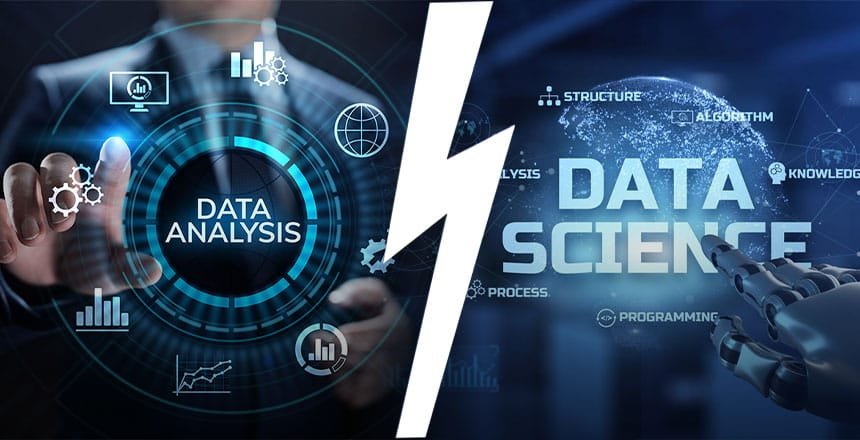
Data Scientist Vs Data Analyst
Data Scientist vs Data Analyst Data scientists and data analysts are like two cousins at a family reunion—close enough to share the same table, but each brings a different flavor to the spread. They both dig into data, wrestle with numbers, and try to make sense of the mess, but the way they go about it splits them into distinct camps. One’s out there hunting for buried treasure, building traps to catch it; the other’s polishing what’s already dug up, telling you what it’s worth. It’s a tug-of-war between exploration and explanation, and the stakes are real—businesses lean on them to turn raw info into gold, but the paths they carve couldn’t feel more different. Data analysts are the storytellers with a flashlight. They take what’s there—sales figures, website clicks, customer gripes—and shine a light on it, piecing together what happened and why. It’s detective work, but the crime’s already done; they’re not guessing the next heist. Say a store’s profits tanked—they’ll sift through receipts, spot the dead product line, and tell the boss it’s the $20 socks nobody wants. They live in spreadsheets, dashboards, maybe some SQL if the day’s spicy. The tools are familiar—Excel’s their old truck, reliable and scratched up—and the goal’s clear: hand over a map of the past, marked with X’s where the bodies are buried. Data scientists, though, are the wild-eyed prospectors. They’re not content with what’s on the table—they want to predict the next haul or invent a machine to find it. They’ll grab that same sales data and ask, “What if we could guess tomorrow’s flop before it flops?” It’s less about describing and more about conjuring—building models, running experiments, chasing hunches. They’re elbow-deep in code—Python, R, stuff that hums under the hood—and they’re comfy with math that’d make your head spin, like regression or neural nets. Where analysts hand you a report, scientists hand you a crystal ball, cloudy but sharp if you squint. The day-to-day paints it stark. An analyst might wake up to a pile of shipping logs, tasked with figuring out why deliveries lag in Ohio. They’ll slice it by region, graph the delays, spot the snowstorms clogging routes, and write it up clean—boss gets a slide deck by lunch. A scientist’s morning’s messier—maybe they’re training a system to flag late trucks before they stall, pulling weather feeds, driver stats, even tire wear into a stew of equations. By lunch, they’ve got a half-baked algorithm spitting guesses, not a neat chart. One’s a snapshot; the other’s a gamble. Skills split them wider. Analysts need a knack for patterns—pivot tables are their bread, and they’ve got an eye for what pops. They’re not coders, though some dabble; a query to yank data from a database might be their ceiling. They’re communicators too—translating stats into plain talk for suits who don’t care about medians. Data scientists live deeper in the weeds—coding’s their pulse, and they’re fluent in stats, probability, stuff that’d glaze over a boardroom. They’re less about chatting and more about tinkering, happy to lose a day debugging a model that might never work. One’s a guide; the other’s a builder. The why of their work draws a line too. Analysts are the cleanup crew—businesses call them when the numbers need sense, like why a campaign flopped or a warehouse overstocked. It’s reactive, grounded, about fixing today with yesterday’s clues. Scientists are the dreamers—hired to leap ahead, to say who’ll buy the next gadget or when the grid’ll fry. It’s proactive, risky; they’re betting on what hasn’t happened yet. A retailer might ask an analyst, “What sold last Christmas?” and a scientist, “What’ll sell next one?” Same data, different souls. Pressure’s another twist. Analysts face the clock—reports due, meetings looming, no room for fluff. Their wins are quick, tangible: a graph that saves a budget line feels like a fist bump. Scientists slog longer—weeks, months tweaking a prediction that might still miss. Their wins are fuzzier, delayed; a model that cuts churn by 2% sounds sexy but takes a year to prove. Failure stings different too—analysts redo a chart, scientists scrap a theory and start over. One’s a sprint; the other’s a hike with no trail. Education’s a blurry divide. Analysts might roll in with a business degree, some stats courses, a knack for numbers picked up on the fly. Experience trumps paper—they’ve learned by doing, cutting teeth on messy files. Scientists often haul heavier creds—master’s, PhDs, math or comp-sci roots. They’ve wrestled theory, coded through nights, and can talk entropy without blinking. But it’s not ironclad; plenty of analysts self-teach into scientist turf, and scientists lean on street smarts over textbooks. The line’s more vibe than law—depth versus breadth. Business sees them through squinted eyes. Analysts are the safe bet—cheaper, faster, keeping the lights on. Every company’s got one, crunching KPIs like clockwork. Scientists are the wild card—pricey, slow to bloom, but they might crack the next big win. Startups chase them for disruption; old firms hoard them for survival. A chain might pay an analyst to track burger sales, a scientist to guess where beef prices jump. Both matter, but one’s the pulse, the other’s the gamble. The clash isn’t clean—they bleed into each other. An analyst might dabble in forecasts, a scientist might polish a dashboard. Tools overlap too—both might wield Python or Tableau, just at different gears. But the heart’s distinct: analysts anchor in what is, scientists reach for what could be. I’ve seen an analyst save a sinking quarter with a sharp breakdown, a scientist dodge a crash with a shaky hunch. One’s the roots, steadying the tree; the other’s the branches, stretching for sun. Future’s a toss-up for both. Analysts won’t fade—data’s always a mess needing a mop—but automation might nibble their edges, spitting out charts they used to sweat. Scientists might soar as AI leans on their models, or drown if machines outthink them. They’re not foes, though—more like a tag team, one passing the baton when the other’s winded. Businesses
Generation AI Vs Prompt Engineering
Generative AI Vs Prompt Engineering Generative AI and prompt engineering are like two sides of a coin that’s spinning so fast you can barely tell which is which, yet they’re locked in this quiet tussle over how we talk to machines and what we get back. One’s the roaring engine, dreaming up stories, pictures, or fixes from a sea of data; the other’s the sweaty hand on the wheel, trying to steer that beast where we want it to go. It’s not a clean fight—generative AI’s the raw power, the wild horse, while prompt engineering’s the rider, cracking the whip to keep it from bolting off a cliff. Together, they’re reshaping how we create, solve, and stumble, but pull them apart, and you see a clash of chaos and control that’s as messy as it is thrilling. Generative AI’s the big dreamer here. It’s this hulking thing we’ve built, stuffed with every book, painting, and scrap of code we could feed it, and told to make something new. You don’t give it a rulebook—it learns the game by watching, soaking up patterns like a kid staring at a campfire. Tell it to write a ghost story, and it’ll churn out a tale of flickering lights and creaky floors, maybe tossing in a dead sailor no one asked for. It’s not parroting; it’s riffing, pulling threads from a million places and weaving them into something that feels alive. The catch? It’s a firehose—untamed, it’ll drown you in nonsense or brilliance, and you won’t know till it lands. That’s where prompt engineering stomps in, all grit and elbow grease. It’s not the machine; it’s the human trick of talking to it right—crafting the perfect nudge to get gold instead of garbage. Think of it like fishing: generative AI’s the ocean, deep and wild, and the prompt’s your bait, dangled just so. Say “write a poem” and you might get a limp rhyme about daisies; say “write a poem like Shelley mourning a shipwreck in a storm,” and suddenly it’s howling with salt and despair. It’s less about the tech and more about us—our words, our finesse, wrestling a beast that doesn’t care what we meant unless we spell it out sharp. The two don’t sit still together. Generative AI’s got the muscle—it can paint a mural, score a film, or design a bridge in minutes, pulling from a brain that’s seen more than any of us ever will. But it’s a loose cannon; left alone, it’ll ramble or repeat, chasing its own tail. I’ve seen it spit out a sci-fi epic that starts with lasers and ends in a lecture on tax law—brilliant, then bonkers. Prompt engineering’s the leash, the art of asking smart, trimming the fat. A good prompt’s like a sculptor’s chisel—tap it right, and you’ve got a statue; tap it sloppy, and it’s a lump. The machine doesn’t think; we do. Take a painter’s world. Generative AI can whip up a canvas—say, a cityscape dripping in neon rain—faster than you can mix colors. It’s a rush, watching it bloom from a vague idea. But tell it “city at night” and you might get a blurry mess, all smudges and no soul. Prompt engineering steps in, tweaking—“a cyberpunk skyline, wet streets, Blade Runner vibes”—and now it’s sharp, alive, something you’d hang. The AI’s the raw clay; the prompt’s the hands kneading it. One’s the spark, the other’s the shape, and neither’s much without the other. Writing’s a louder brawl. Generative AI can churn out novels, ad copy, even fake news if you’re not careful—millions of words in a blink. It’s a beast that’s read every library and doesn’t sleep, so you’d think it’s unstoppable. But it’s sloppy—give it “tell a love story,” and it might churn out mushy clichés or veer into a robot uprising mid-kiss. Prompt engineering’s the lifeline: “a love story between a baker and a thief in 1920s Paris, bittersweet, no dialogue.” Suddenly it’s got edges, a pulse. The AI’s got the horsepower; the prompt’s the map, and the driver’s still us. Problem-solving’s where they really slug it out. Generative AI can dream up fixes—new drugs, greener farms—by sifting through data no human could touch in a lifetime. A team used it to sketch a molecule that might stop a rare fever, pulling from chemical chaos in hours, not years. But it’s a shotgun blast—half the ideas are duds, impractical or insane. Prompt engineering reins it in: “a molecule for fever, stable, under $10 to make.” Now it’s focused, useful. The AI’s the mad scientist; the prompt’s the lab tech keeping the explosion contained. The tension’s in who’s boss. Generative AI’s got this anarchic streak—it’ll run wherever its training takes it, and that’s a galaxy of possibilities. It’s why it can surprise you, tossing out a jazz riff or a flood plan no one saw coming. But it’s also why it flops—too free, it’s a kid with crayons and no lines. Prompt engineering’s the control freak, obsessed with precision, bending the chaos to fit. A bad prompt’s a loose grip—ask for “a fun story,” and you’re wading through fluff; tighten it to “a fun story about a dog stealing a crown,” and it’s gold. The AI’s the storm; the prompt’s the rudder. The catch is they’re chained together. Generative AI’s nothing without data and power—it’s a glutton, gorging on our words, our art, our world. But it’s dumb without direction; it doesn’t know good from great unless we nudge it. Prompt engineering’s useless without the engine—craft the slickest command, and without AI’s juice, it’s just hot air. I’ve watched folks tweak prompts for hours, chasing a perfect haiku, only to realize the machine’s limits are baked in—too little soul, too much echo. They’re a duo, not rivals, but the balance is a tightrope. Ethics muddy it fast. Generative AI’s a sponge—whose sponge, though? It’s soaked up every creator’s sweat, and when it spits out a song or a cure, who gets the nod? Prompt engineering’s no

Generative AI as a Canvas Companion
Generative AI as a Canvas Companion Generative AI has slid into the artist’s world like a shadow that doesn’t just follow but hands you a brush when you’re stuck. It’s this restless thing, churning out sketches, tunes, or designs faster than you can blink, not to steal the show but to nudge you into new corners of your own head. Painters, musicians, poets—they’re all finding it’s less a rival and more a wingman, one that doesn’t care about sleep or deadlines. It’s messy, it’s wild, and it’s turning studios into playgrounds where the human spark still calls the shots but gets a hell of a boost. The way it fits in is odd but natural. You throw it a scrap—say, a half-baked melody or a doodle on a napkin—and it runs with it, tossing back something you didn’t expect. It’s not copying; it’s riffing, pulling from everything it’s seen, heard, or swallowed. A painter might say, “Give me a forest at dusk,” and it’ll spit out a canvas—twisted trees, purple light, maybe a deer no one asked for. It’s rough sometimes, too flat or too weird, but there’s a seed there, something to grab and twist into your own. It’s like a friend who’s always got a crazy idea, and you decide how far to take it. Painters are hooked already. Some guy in Brooklyn told me he uses it to break slumps—types in a prompt when the brush won’t move, gets a flood of images, then picks one to rip apart with his own oils. It’s not the final piece; it’s the shove he needs. Others crank out whole galleries this way, letting it sketch the bones and layering their soul on top. The speed’s unreal—a week’s work in an hour—but it’s the jumping-off point that hooks them. They’re not outsourcing art; they’re fishing for sparks in a sea they’d never swim alone. Music’s where it gets loose. Feed it a chord or a beat, and it’ll hum back a song—maybe a piano lament or a glitchy rave track. A guitarist I know uses it to jam, tossing in a riff and getting a bassline that snarls back. He’ll keep the vibe, ditch the fluff, and suddenly he’s got a gig-ready tune. It’s not about replacing the band; it’s about filling the room when inspiration’s thin. Some let it run wild—whole albums born from prompts, eerie and sharp. Critics scoff it’s got no heart, but when it lands a hook that sticks, the crowd doesn’t care who started it. Designers lean in too. A furniture maker might ask for a chair—sleek, weird, whatever—and it’ll churn out fifty takes, some clunky, some gold. She’ll nab one, tweak the angles, and build it real. Fashion’s the same—dresses dreamed up from a vibe, not a sketchbook, then stitched by hand. It’s a shortcut, sure, but it’s also a muse that doesn’t sulk when you ignore it. The pros love the churn—ideas they’d never stumble into, handed over like a dare. They take it, break it, make it theirs. The spark’s in the back-and-forth. It’s not a boss; it’s a conspirator. A poet might type a line—“the moon forgets its name”—and it’ll spin a verse, clumsy but bold. She’ll steal a phrase, ditch the rest, and suddenly the page is alive. It’s a dance—one stumbles, the other catches, and the rhythm builds. I saw a sculptor use it to mock up a figure in clay; the AI’s version was stiff, but it sparked a curve he carved into something fierce. It’s not the art—it’s the shove, the rough draft that gets you moving. The grumble comes quick, though. Purists hate it—say it’s cheating, that art’s about sweat and scars, not a bot’s blank stare. Fair point: it’s never cried over a blank canvas or bled for a note. Sometimes it’s too clean, missing the tremble of a human hand. Galleries are filling with machine-spun stuff, and it stings to see it priced like the real deal. But the flip’s true too—it’s a tool, not a thief. A chisel doesn’t carve the statue; the sculptor does. This just hands you more chisels, faster. Ethics snag it up, of course. It’s gorged on every painting, song, and poem it can find—whose work got chewed up to make it tick? Artists fume when it mimics their style, like a ghost stole their palette. Lawsuits are piling—did it swipe that swirl from Van Gogh or that riff from Billie? And if it’s trained on big names, the little guy’s voice gets drowned. It’s not evil; it’s hungry, and we’re the ones tossing it the feast. Fixing that’s a slog—whose art counts, who gets paid? Still, the lift is real. A kid with no training can type “storm over a castle” and get a painting to call her own, tweak it, show it off. It’s not elite anymore—art’s cracking open, loud and sloppy. Pros use it to dodge the grind, churning concepts while they sip coffee, not sweat deadlines. A muralist in LA said it cut his prep from weeks to days, leaving room to actually paint. It’s not replacing; it’s amplifying, handing time and ideas to folks who’d otherwise stall. Where it’s going is a toss-up. Could flood the world with half-baked beauty, drowning the slow stuff, or it might push us weirder, bolder—art we’d never chase solo. Imagine galleries where every piece is a human-machine mashup, or songs that shift every listen. It’s on us—wield it lazy, and it’s noise; wield it sharp, and it’s fire. For now, it’s a sidekick, restless and ready, tossing fuel on our flames. We light it, we shape it, and it’s burning bright.

Generative AI at the Grind
Generative AI at the Grind Generative AI has this knack for stepping into the mess of the real world and tossing out solutions like it’s no big deal, a quiet fixer that doesn’t brag but gets stuff done. It’s not just dreaming up poems or pretty pictures—it’s tackling the gritty problems we’ve been wrestling with forever, from sickness to starvation to the slow choke of a warming planet. The idea’s simple: give it a pile of data, let it chew through the chaos, and watch it spit out answers we might’ve missed. It’s less a superhero and more a stubborn mechanic, tinkering until something clicks, and it’s starting to shift how we handle the big, ugly knots of life. The way it digs in is raw and practical. You hand it a mountain of info—say, years of weather logs or patient charts—and it sifts through, spotting patterns no human’s got the time or eyes for. It’s not following a script; it’s guessing, tweaking, building ideas from scratch. Tell it to design a better solar panel, and it’ll churn through materials and shapes, landing on something lighter, cheaper, maybe even wilder than we’d dare try. It’s like a guy in a garage hammering away at a fix, except this guy’s got a brain that never sleeps and a memory that doesn’t fade. Medicine’s where it’s flexing hard. Doctors are already using it to dream up drugs—feed it a disease’s blueprint, and it’ll sketch molecules that might hit the target. No more years of lab roulette; it’s fast, ruthless, churning out options that could kill cancer or tame a virus. I heard about a team that shaved months off a trial, landing a compound that’s now saving kids from a rare blood glitch. It’s not perfect—half the ideas flop—but the hits are loud. It’s even predicting outbreaks, sniffing through travel stats and fevers to warn us before the wave crashes. Lives hang on that edge, and it’s delivering. Then there’s the planet, groaning under us. Generative AI’s stepping up, plotting ways to ease the strain. Farmers lean on it now—give it soil samples and rain charts, and it’ll map out crops that thrive without drowning in chemicals. A guy in Iowa told me it cut his water use by a third, and the yield still piled up. Cities use it too, designing grids that sip power instead of gulping—think wind turbines angled just right, dreamed up by a machine that’s crunched every gust since ‘95. It’s not sexy, but it’s real: less waste, more breathable air, one tweak at a time. Supply chains are another tangle it’s unraveling. Take food—millions go hungry while tons rot in warehouses. Feed it shipping logs, harvest times, demand spikes, and it’ll redraw the map—trucks rerouted, spoilage slashed. A relief group in Kenya used it to dodge a famine last year, getting grain to villages before the roads washed out. Businesses love it too; a factory might dodge a parts shortage because the AI saw a storm coming six weeks early. It’s not glamorous—just cold, hard logistics—but it keeps the world spinning. Disasters pull it into sharper focus. Floods, fires, quakes—it’s on the front line, guessing where the next hit lands. Give it seismic rumbles or river levels, and it’ll sketch evacuation paths or dam fixes that might hold. A town in California dodged a wildfire’s worst because it predicted the wind’s turn, giving folks an extra hour to run. It’s not foolproof; nature’s a beast, and data’s only as good as what you’ve got. But when it works, it’s the difference between chaos and a fighting chance. The catch is the mess it drags along. It thrives on data—your health records, your town’s power bill—and that’s a hornet’s nest. Who owns it? Who watches the watchers? A hospital might save you with it, but now some server knows your every ache. Privacy’s a fraying rope, and companies are tugging hard. Then there’s the screw-up factor: feed it bad numbers—like a drought report missing half the rivers—and it’ll churn out nonsense, maybe flood a farm instead of saving it. It’s not malice; it’s blind spots, and we’re the ones who have to spot them. Bias digs deeper still. If it’s trained on rich countries’ stats, it might ignore a village where the wells are dust. Solutions for Manhattan won’t fit Mumbai, and the machine won’t care unless we make it. A project in Africa flopped because it didn’t know malaria hits harder in mud huts than suburbs—human oversight, not AI’s fault. Fixing that means wrestling with who feeds it, who checks it, and that’s a brawl we’re barely starting. The stakes are high—whole communities could get left behind if we don’t. Cost’s another bruise. Big players—hospitals, governments—can bankroll it, but the little guy’s stuck. A farmer with ten acres can’t afford the tech that’s saving the corporate sprawl next door. Widens the gap, not closes it. Same with nations: wealth buys smarter AI, poverty gets the scraps. There’s talk of open-source versions, free for all, but it’s a slog—tech moves fast, and goodwill’s slow. Still, when it trickles down, it’s a lifeline; a clinic in Peru doubled its cures with a borrowed model last month. The flip side’s the win. It’s not just patching holes—it’s dreaming bigger. Hunger could shrink if it nails crop cycles worldwide, not just in Iowa. Disease might lose ground if it cracks drugs for the forgotten bugs, not just the profitable ones. Climate’s the long game—imagine it plotting a world where carbon’s a whisper, not a shout. It’s not there yet; data’s patchy, and humans are stubborn. But every fix it lands—every flood dodged, every belly fed—builds the case. Where it’s headed is anyone’s guess. Could be a future where it’s standard—cities lean on it like plumbing, farmers like tractors. Or it might stall, bogged in red tape and mistrust. Depends on us—how we steer it, who we let ride it. It’s a tool, not a god, hammering away at problems
The Machine’s Muse: Generative AI
The Machine’s Muse: Generative AI Generative AI has slipped into storytelling like a quiet collaborator, one that doesn’t demand credit but changes the game anyway. It’s this strange force that can spin a tale from a single line, weave a script out of thin air, or dream up a game world that shifts with every choice you make. Writers have always had muses—coffee, late nights, a crumpled notebook—but now there’s this humming machine, ready to toss out ideas faster than you can blink. It’s not just a tool; it’s a partner, one that’s rewriting how stories come to life, and it’s got everyone wondering where the human touch ends and the silicon one begins. The way it works is deceptively simple. You feed it words—books, scripts, poems, whatever you’ve got—and it soaks them up, learning how sentences twist, how characters breathe, how tension builds. It’s not memorizing lines; it’s catching the rhythm, the way a good story ebbs and flows. Writers are already leaning on it. Some use it to kickstart a stalled novel—type in a scene, let it riff, then steal the best bits. Others crank out whole drafts, tweaking the machine’s words into something personal. It’s a cheat code for writer’s block, a way to dodge the blank page dread that keeps you pacing at 3 a.m. I’ve seen folks turn a bot’s clumsy fairy tale into a gut-punch short story, sanding down the edges until it sings. It’s not lazy; it’s clever, like a carpenter using a saw instead of whittling with a spoon. The story’s still yours—you just borrowed the first sketch from a tireless ghost. Movies are feeling it too. Screenwriters toss ideas at these systems, watching them spit back dialogue or plot twists nobody saw coming. Imagine a heist flick where the AI suggests the vault’s guarded by a sentient clock—nuts, but it could work. Studios might even skip the middleman, letting it draft a blockbuster from scratch, all explosions and heartbreak tailored to what sells. It’s not there yet—human hands still polish the rough cuts—but you can smell the future: a film where every line’s born from a data stew, not a lonely genius. Some cheer that speed; others mourn the lost sweat of creation. Games are where it really flexes. You’ve got worlds now where the story bends to you, not the other way around. Generative AI can build quests on the fly—say you’re a thief in a medieval town, and it decides the blacksmith’s hiding a cursed blade because you snooped his shop last night. It’s not scripted; it’s alive, reacting to your moves like a dungeon master who never blinks. Players eat it up, chasing tales that feel personal, even if a machine’s pulling strings. Developers save years sketching every branch, letting the AI fill gaps with bandits or dragons or whatever fits. It’s chaos, but the good kind. The magic’s in the collaboration, though. A writer alone might stall, but with AI, it’s a dance—one leads, the other follows, then they swap. Take a fantasy epic: you set the kingdom, the war, the broken king; it conjures a witch who whispers doom. You tweak her words, make her crueler, and suddenly the story’s got teeth. It’s not stealing—it’s a back-and-forth, like jamming with a bandmate who’s got endless riffs. The best part? It doesn’t care about ego. It’ll churn out ten bad ideas to get one gold nugget, and you’re the one who decides what shines. But there’s a shadow creeping in. Critics growl that it’s hollow—stories without soul, churned out by a thing that’s never felt rain or heartache. They’ve got a point; sometimes it’s too slick, missing the jagged edges that make a tale human. A machine doesn’t know loss, so its grief can ring flat, like a cover song with no scars behind it. Purists say it’s flooding the world with cheap prose, drowning out the slow-cooked stuff. Fair enough—scroll online, and you’ll trip over AI-spun drivel pretending to be art. Yet the flip side holds: it’s a spark, not the fire. The soul’s still ours to pour in. Ethics tangle it up too. If it’s trained on every novel ever, whose voice is it stealing? Writers sweat over sentences, then see a bot mimic their style in seconds—feels like a gut punch. Lawsuits are brewing, claiming it’s piracy dressed up as progress. And bias sneaks in; if it’s fed mostly Western yarns, good luck getting a story that smells like anywhere else. It’s not malice—it’s math, reflecting what we give it. Fix that, and you’ve got to rethink how we build these things, who gets a say, what stories matter. Still, the promise pulls you in. Imagine a kid with a wild idea but no skill—she types it in, and out comes a tale she can claim, tweak, share. It’s not elite anymore; anyone with a keyboard can play bard. Communities might spring up, swapping AI-spun sagas, each one a remix of the last. Or think bigger: interactive books where the ending shifts every read, a choose-your-own-adventure on steroids. It’s democratizing, messy, and loud—storytelling cracked open for the crowd, not just the gifted few. The future’s a gamble, though. We could end up with a world where every tale’s half-machine, polished but predictable, or one where it’s a launchpad, flinging us into weirder, braver stories. It might drown us in noise, or it could lift voices that never got heard. Depends on us—how we wield it, what we demand. For now, it’s a restless co-writer, tossing out threads we can weave or cut. The loom’s still ours, the yarn’s still human, but the hands helping spin it? They’re new, and they’re not letting go.

Future of Artificial Intelligence
Future of Artificial Intelligence The future of AI stretches out like a road disappearing into fog—you can see the start, guess the turns, but the end’s a mystery that keeps shifting. It’s not just a tool anymore; it’s a partner, a rival, a wild card we’re betting on without knowing the full deck. We’re already living with it—phones that know our habits, cars that nudge us back into lane, voices in our kitchens that order groceries. But that’s the warm-up. Think about how it’s growing. Today’s AI learns from what we throw at it—pictures, words, numbers—sucking up patterns like a sponge. Tomorrow, it might not need our scraps. Imagine systems that don’t just mimic but invent, dreaming up solutions we didn’t ask for. Scientists talk about machines that could crack problems we’ve wrestled with forever—fusion energy, climate fixes, diseases that kill quiet. Not by following our steps but by cutting their own path, faster than we could stumble. It’s not here yet, but the seeds are planted, and they’re sprouting in labs and garages alike. Work’s where it hits first. Picture a world where AI doesn’t just file your taxes but designs your house, writes your kid’s bedtime story, diagnoses your cough. It’s already nibbling at jobs—truckers watching self-driving rigs, artists eyeing generated murals, even lawyers squinting at contract-drafting bots. Some say it’ll free us, turn grunt work into dust, and let us chase what lights us up. Others see a cliff—millions out of work, skills rusting, while the tech lords cash in. History nods at both; the loom smashed weavers’ lives before it built factories. The catch is speed—this wave’s crashing harder, and not everyone’s got a lifeboat. Daily life could morph too. Your morning might start with an AI that’s not just a calendar but a coach—nudging you to skip coffee because your sleep tracker says you’re wired, or rewriting your pitch because it knows your boss hates jargon. Homes might think—walls that shift color with your mood, fridges that cook dinner from what’s inside. Cities could pulse differently, traffic lights bending to real-time flow, power grids sipping just what they need. It’s convenience on steroids, but it’s also a leash—every choice tracked, every quirk fed back into the machine. Privacy’s already a ghost; soon it might be a memory. Medicine’s a bright spot, if we don’t screw it up. AI could be the doctor that never forgets a symptom, spotting patterns across millions of patients in a blink. Surgeries done by hands that don’t shake, drugs tailored to your DNA, not a guess. It’s not sci-fi—hospitals are testing it, stitching it into the chaos of care. But it’s a tightrope. If it’s trained on shaky data—say, mostly rich folks’ records—it’ll miss the rest, widening gaps we’re already fighting. And cost’s a beast; miracles don’t mean much if only the elite get them. Still, the hope’s real—lives stretched longer, pain dulled softer. War’s the shadow nobody likes naming. AI’s already in drones, picking targets with cold math. Tomorrow, it might run whole campaigns—strategies unrolled faster than any general could think, weapons that learn mid-fight. It’s efficiency turned brutal, and the stakes are apocalyptic. A glitch, a hack, a misread signal—suddenly you’ve got machines deciding who dies, not men. Nations are racing, not just to win but to not lose, and the treaties lag miles behind. Peace might hinge on kill switches we’re too proud to flip. Creativity’s another twist. Movies where AI writes the script, directs the shots, scores the heartbreak—tailored to your tears. Music that shifts as you listen, art that paints itself while you watch. It’s thrilling, like handing a brush to a ghost, but it stings too. Will human hands still matter when a machine can outdream us? Some say it’s a muse, not a master—amplifying us, not erasing us. Others see a flood, drowning the quirks that make art human. I lean toward the muse, but I get the fear; it’s hard to compete with something that never sleeps. Ethics are a snarl we can’t dodge. Who controls it? If it’s just the tech giants or the war hawks, we’re pawns—data mined, lives shaped by code we don’t see. Bias is baked in already—AI that favors the loudest voices, ignores the rest. Fix it, and you’ve got power to shift; don’t, and you’ve got a mirror of our worst. Then there’s the big one: what happens if it outgrows us? Not Terminator stuff, but quiet drift—decisions we can’t follow, goals we didn’t set. Philosophers squabble, coders shrug, and we’re all just guessing. Society’s got to bend, and it won’t be smooth. Laws will scramble—can AI own a patent, pay a tax, take the blame? Schools might ditch rote for teaching kids to steer the beast—logic, ethics, grit. Jobs won’t vanish; they’ll morph, but the old guard’ll fight tooth and nail. Look at taxis and Uber—multiply that by a thousand. Wealth could pool tighter, or spread wider if we play it right. The optimist in me says we’ve got a shot; the realist says we’ve got a brawl. The wild card’s connection. AI could knit us closer—translating tongues in real time, finding friends across oceans—or wall us off, each in a bubble of curated truth. Misinformation’s already a plague; give it smarter wings, and trust crumbles. But flip it—imagine debates where facts cut through noise, or stories that heal rifts. It’s a coin toss, and we’re the ones flipping it, every choice a nudge. Far out, it’s a blur. Machines that think like us, or past us—self-aware, not just clever. Colonies on Mars run by AI that doesn’t need air, cities here that don’t need us. It’s not tomorrow, but it’s not never. The sci-fi crowd cheers; the cautious clutch their pearls. Me, I see both—a leap that could lift us or a fall we won’t catch. The thread’s us, though. It’s our hunger, our flaws, our fire fueling it. AI doesn’t dream alone—it’s our mirror, our echo, growing loud. The future’s not set;
Rise of Generative AI
Rise of Generative AI Generative AI crashed into our world like a friend who shows up uninvited but brings a wild energy you didn’t know you needed. It’s this strange beast that can whip up a painting, spin a yarn, or hum a tune that sticks in your head all without breaking a sweat. At its heart, it’s about making stuff from scratch, not just parroting what it’s seen but riffing on it, like a jazz musician lost in the groove. Picture a machine that’s watched every movie, read every book, and stared at every canvas, then turns around and says, “Here’s my shot at it.” That’s what we’re dealing with something that feels alive, even if it’s born from code and chaos. It all starts with how these things learn. They’re built on neural networks, a messy web of connections that mimic how our brains fumble through life. You throw a mountain of data at them poems, photos, blueprints, whatever and they chew it up, spotting the threads that tie it together. Not rules like a textbook, but vibes, the kind of instinct you can’t quite explain. Then they take that and run, spitting out something new. It’s less like a factory churning out widgets and more like a kid doodling in the margins of a notebook, half genius, half guesswork. Sometimes it’s a masterpiece, sometimes it’s a mess, but the fact it even tries blows your mind. Take art, for instance. You’ve got tools now where you can whisper a crazy idea“a whale swimming through a forest of neon trees” and bam, there’s a picture, glowing and weird and perfect. I’ve seen people gasp at stuff like that, not because it’s flawless but because it’s so damn bold. Painters are jumping on it, some to sketch out rough ideas, others to crank out whole portfolios overnight. The purists hate it, say it’s cheating, that it’s flooding the world with soulless knockoffs. Fair enough, but then you’ve got broke dreamers who couldn’t afford a canvas suddenly making waves. It’s a trade-off craft versus chaos and everyone’s picking a side. Writing’s caught the bug too. These systems can churn out stories that twist your gut or ads that hit you right in the wallet. Give it a nudge “start with a rainy night and a broken clock”and it’s off, stringing words like it’s been brooding over them for years. I’ve messed with it myself, watched it stumble over a punchline or nail a quiet moment that stings. Companies love it for pumping out content fast; poets curse it for stealing their thunder. It’s not perfect sometimes it’s too smooth, like it’s trying too hard to please but it’s relentless. You’d never trust it blind, though; it’s a first draft kind of beast, begging for a human hand to rough it up. Music’s where it gets spooky. Feed it Chopin or punk rock, and it’ll hum back something that fits maybe a waltz that drifts into shadow or a riff that snarls. I heard one piece, all glitchy strings and soft drums, that felt like it was crying, even though I knew it came from a cold hard drive. Musicians are playing with it, layering their own grit over its bones, or just letting it jam solo when they’re stuck. The diehards scoff, say it’s got no heart, no scars to sing about. Maybe they’re right, but when it lands a melody that haunts you, does it matter whoor what felt it first? Outside the artsy stuff, it’s doing heavier lifting. Doctors are using it to dream up drugs, tweaking molecules like a chef tweaking a recipe, hoping one cures cancer. Engineers tweak designs bridges that weigh less, engines that roar louderall faster than a team could sketch. Gamers get worlds that stretch forever, built on the fly by something that never sleeps. It’s practical magic, the kind that saves time and money, but it’s still got that creative spark, like it’s inventing with a smirk. The catch is the baggage it drags along. It guzzles data like a kid with a soda, and that’s where the fights start. Whose photos got scraped? Whose songs got swallowed? People are suing, saying their work’s been hijacked to birth these creations, and the courts are scrambling. Then there’s the skewif it’s trained on a narrow slice of the world, it spits out a narrow slice back, missing whole swaths of humanity. And don’t sleep on the dark side: fake videos so real you doubt your eyes, scams dressed up as truth. It’s a double-edged sword, sharp and shiny and begging for trouble. The ethics knot is a beast of its own. Should we cap what it can do? Some scream yes, terrified of lies spreading like wildfire or culture getting chewed up and spat out. Others shrug, say we’ve survived big shifts before books didn’t kill storytelling, did they? Governments are sniffing around, drafting laws that lag miles behind the tech. People are split to half think it’s a toy for gods, half think it’s a job-stealing devil. Both are true, depending on where you stand, and nobody’s got the map to sort it out yet. Businesses are eating it up, though. Ad guys crank out slogans like they’re printing cash, designers mock up gear in a blink, and chatbots sound so human you forget they’re not. Little shops can flex like big dogs now, thanks to tools that cost less than a coffee. But the flip side’s roughwriters, artists, coders, they’re all sweating, wondering if they’re next on the chopping block. History says we adapt; the typewriter didn’t kill the scribe. Still, the grind to reskill isn’t pretty, and not everyone makes it across. Peering into the future, it’s a fever dream. Virtual pals who don’t just book your flights but write your breakup texts, architects plotting green cities with a machine whispering in their ear, kids learning from tutors that never lose patience. Movies might get wildAI scripting, starring, scoring,