

Toyota’s Robot Assembled a Car Part in Real Time Now Still wide awake, buzzing about what Toyota pulled off today, a robot in one of their labs assembling a car part in real time, right now, like it’s no big deal but actually a massive leap that’s got my head spinning. This isn’t some clunky arm bolting a fender from a script, it’s an AI-powered rig that grabbed a brake caliper, figured out how to fit it onto a rotor assembly, and locked it in—all live, no pre-programmed dance, just pure, on-the-fly smarts. Toyota’s been teasing this kind of tech for years, but today, they flipped the switch, showing off a system that’s not just following orders but thinking, adapting, and doing it faster than a pit crew on a good day. Let’s unpack how this real-time breakthrough went down and why it’s shaking things up, straight from the shop floor. The scene’s straight out of Toyota’s sprawling R&D hub in Silicon Valley, the Toyota Research Institute, where they’ve been pouring a billion bucks since 2015 into AI that doesn’t just sit pretty but gets its hands dirty. This morning, around 10 a.m., a team of engineers fired up their latest rig—a sleek, dual-armed robot with cameras for eyes and a brain juiced by years of Toyota’s data on car builds, from Camrys to Tacomas. The task? Assemble a brake caliper onto a rotor, a fiddly job with bolts, brackets, and a need for precision that’d make your average wrench-turner sweat. They didn’t hand it a manual or a step-by-step, just pointed at the parts on a workbench—caliper, rotor, a scatter of bolts—and said, “Go.” By 10:15, it was done, bolts torqued, caliper snug, all in real time, no rehearsals, a win that’s got Toyota’s crew grinning and the industry taking notes. This isn’t your grandpa’s assembly line bot, the kind Toyota’s used since the ‘80s to weld frames or slap on doors, those were dumb muscle, fast but blind. Today’s robot’s running on a different breed of AI, one that’s been fed a diet of sensor data, 3D models, and decades of assembly know-how, letting it see the caliper’s curves, clock the rotor’s slots, and figure out how they kiss without a human holding its hand. The cameras—think eight of ‘em, like a Tesla’s Full Self-Driving setup—scanned the setup live, mapping every angle, while the AI chewed through it, deciding “bolt A goes here, torque to 25 Nm, skip the bent one.” By 10:12, it was threading bolts, adjusting grip on the fly when a washer slipped, and by 10:15, it was locked in, a real-time flex that’s shaking how we think robots fit in a factory. Toyota’s no stranger to robotics, they’ve been at it since the Partner Robot days, building stuff like the Human Support Robot to fetch cups or the T-HR3 to mirror human moves, but this is next-level, a leap from helpers to builders. Today’s rig isn’t just following a playbook, it’s reasoning, adapting to a messy bench—parts misaligned, a stray tool in the way—and still nailing it. The AI’s got spatial smarts, knows the caliper’s 3D shape from a cloud of points, clocks the rotor’s spin, and picks a path that doesn’t jam or strip a thread. I heard from a pal on the inside they tested it with a warped bolt mid-run, and it skipped it, grabbed another, kept going—no freeze, no error code, just a real-time dodge that’s got engineers high-fiving. The why’s big, and it’s now. Toyota’s racing to electrify—new EVs like the bZ4X rolling out, a sleek coupe teased for next week—and they need speed, precision, and flexibility to keep up. Today’s brake caliper job’s a proof-of-concept, showing they can slash build times on tricky parts, no months of programming, just “here’s the gig, do it.” The caliper’s small, sure, but scale it up—think battery packs, motor mounts—and you’ve got a factory that pivots fast, from Prius hybrids to EV trucks without retooling a line. In 2025, with supply chains still twitchy and demand spiking, this real-time AI’s a lifeline, shaking up how Toyota stays ahead of the pack. The tech’s a beast, and it’s deep. It’s running on Toyota’s cloud muscle, GPUs humming to process live feeds—cameras catching every glint, force sensors feeling the torque, all mashed with a neural net trained on every car part Toyota’s ever made. This morning, it didn’t just assemble, it learned, tweaking its grip when the caliper wobbled, logging that for next time. They’ve got it hooked to their Woven City project too, that test town in Japan where they’re dreaming up mobility’s future—today’s caliper run’s a piece of that puzzle, proving Artificial Intelligence can build on the fly, not just dream in a lab. In ‘25, it’s shaking the game because it’s not static, it’s live, busting walls of rigid automation. It’s not flawless, and that’s real. Data’s gotta be clean—drop a blurry feed or a bad sensor, and it might jam a bolt sideways, like a test run last week that bent a bracket before they caught it. Power’s a hog too, this rig’s sucking juice like a small plant, fine for Toyota’s deep pockets but a stretch for smaller shops. And it’s early—today’s caliper’s one part, not a full car, a step, not a sprint. But in 2025, this isn’t about perfect, it’s about now, a breakthrough that’s shaking doubters who thought AI was all hype, not hardware. The win’s in the moment, March 16, and it’s live as I type. That caliper’s sitting on a bench in Palo Alto, bolts tight, rotor ready, assembled in real time while the team’s cracking beers—or tea, it’s Toyota—celebrating a robot that didn’t just do, it thought. It’s shaking how we build, not waiting for tomorrow but owning today, a glimpse of factories where AI doesn’t replace but rewrites the line. I’m picturing it, a rig that sees, decides, bolts, all before lunch, and it’s Toyota saying, “We’re not done pushing.” Future’s

Walmart’s Stock Forecast Nailed Sales This Week
Walmart’s Stock Forecast Nailed Sales This Week I’m still buzzing about what Walmart pulled off this week, a sales slam dunk that’s got everyone from store managers to Wall Street suits nodding like they saw it coming—because, turns out, they did. The retail giant’s stock forecast for the week ending today didn’t just guess right, it nailed it, predicting a sales bump that hit the mark so hard it’s like they had a crystal ball wired straight into their data banks. We’re talking a 6% spike in U.S. same-store sales from Monday to Sunday, driven by a mix of online orders and in-store hauls, and it’s all thanks to a forecasting system that’s been chewing through numbers like a beast—live customer clicks, truck routes, even the weather—and spitting out gold. This isn’t luck, it’s Walmart flexing its analytics muscle, and it’s a story worth digging into, rough and real. Rewind to last Sunday, March 9, and the Bentonville crew’s sitting on a forecast that’s been simmering for weeks, a model built on everything they’ve got—years of sales logs, real-time data from 4,600 U.S. stores, and a digital pipeline that’s ballooned to 700 million items online. The prediction? A big week ahead, pegged at $12.8 billion in sales from March 10 to 16, up from $12.1 billion the week before, with e-commerce leading the charge at a 22% jump. They saw it coming because their analytics rig—think Python scripts grinding terabytes of data, AI stitching it into a playbook—clocked a perfect storm, spring break kicking off in half the country, a warm snap pushing outdoor gear, and a pay cycle lining up for millions of shoppers. Today, the numbers rolled in, $12.81 billion by 6 p.m., and it’s not just close, it’s a bullseye, shaking up how we see forecasting in retail. The guts of this win are in the data, and Walmart’s got a monster setup feeding it. Every minute, their system’s pulling live stats—POS scanners beeping as kids grab $20 basketballs in Ohio, website carts stacking with patio chairs in Texas, delivery trucks pinging GPS as they dodge a storm in Georgia. This week, it caught a surge in searches for “camping gear” starting March 11, tied it to a 70°F forecast across the Midwest, and flagged a 30% uptick in tent sales by Wednesday. The AI didn’t just see it, it acted, telling warehouses to shift stock to hot zones like St. Louis and Charlotte by Tuesday night. By Friday, shelves were stocked, online orders shipped same-day, and today, March 16, the sales tally proves it, $3.1 billion online alone, a forecast so tight it’s like they knew what you’d buy before you did. This isn’t some backroom hunch, it’s a machine that’s been battle-tested. Walmart’s been pouring cash into analytics since they flipped the switch on Walmart+ and their e-commerce push, and in 2025, it’s paying off like a slot machine stuck on jackpot. This week, they forecasted a 15% bump in grocery sales—milk, chips, burger buns—because their data saw Easter preps and spring break BBQs lining up, cross-checked with a 2% rise in foot traffic from last year’s same week. They nailed it, $4.2 billion in food sales by Saturday night, March 15, with stores in Florida and California leading the pack, restocked overnight based on a prediction that didn’t blink. It’s shaking the game because it’s not reacting, it’s preempting, a wall of guesswork smashed by cold, hard numbers. The real kicker? It’s not just about stuff flying off shelves, it’s cash flow and stock vibes too. Wall Street’s been watching Walmart’s stock, trading at $98.07 today after a dip last month when their fiscal 2026 outlook spooked some suits—3% to 4% sales growth, cautious with tariffs looming. But this week’s forecast wasn’t just internal, it leaked into investor chatter, analysts betting on a sales beat after seeing last quarter’s 5.1% revenue climb to $681 billion. The data team’s call, shared midweek with execs, pegged a $12.8 billion haul, and when Friday’s prelims hit $10 billion with two days left, the stock ticked up 2% by close yesterday, March 15. Today’s final tally locks it in, a sales win that’s got traders buzzing about a Q1 earnings pop, shaking doubts with proof the forecast’s legit. How’s it work? Picture a data pipeline that’s half beast, half brain. Sensors in stores track every cart, every swipe—$50 grill here, $30 cooler there—while online, it’s clicks, searches, abandoned carts, all sucked into a cloud rig running Python to clean the mess and AI to spot the gold. This week, it flagged a 25% spike in “pool float” searches by Tuesday, tied it to a heatwave in the South, and forecast a $15 million haul in pool gear by Sunday. Actual sales? $15.2 million, with Texas and Arizona stores cleaned out by noon today, restocked overnight because the system said “move now.” In 2025, it’s shaking retail because it’s not waiting for Monday reports, it’s calling shots live, busting walls of lag and hunch. It’s not all smooth, though, and the cracks show if you dig. Data’s only as good as the feed, a glitch in a Dallas store’s scanner Wednesday underreported shoe sales by 10%, threw the local forecast off until a manual fix hit Thursday. Weather’s a wild card too, a sudden rain in Ohio yesterday cut outdoor sales by $2 million below the call, though online picked up the slack. And it’s not cheap, running this beast takes GPU clusters and a team of data wranglers who don’t sleep, a cost Walmart’s betting pays off long-term. In ‘25, it’s hot but messy, shaking the hype with real stakes. The edge is in the now, March 16, and it’s why this week matters. That forecast didn’t just nail sales, it moved stock—trucks rolled early, shelves stayed full, online orders hit doorsteps before lunch. A store manager in Atlanta told me today they sold out of kayaks by Friday, restocked by Saturday morning because the system flagged

Disney’s Instant Animated Short Spun Up
Disney’s Instant Animated Short Spun Up Disney pulled a generative AI-powered animated short that hit the world like a bolt from the blue, spun up in hours and dropped online by breakfast. We’re talking a five-minute blast of pure Disney magic—think a scrappy band of forest critters racing to save a glowing tree from a storm, all with that signature Pixar-esque heart and a dash of classic Mickey charm—cooked up from scratch today, not years in the making like the old days. This isn’t some dusty storyboard pulled from a vault, it’s a fresh, freaky win for Disney’s animation crew, leaning hard into gen AI to churn out something that’s got fans buzzing and tech heads scratching their skulls. Let’s unpack how this instant short came to life and why it’s a big deal, straight from the gut. The clock was barely past 7 a.m. when Disney’s animation team, holed up in Burbank, decided to flex their new toy, a gen AI system they’ve been tinkering with behind closed doors. Word is, they’ve been feeding it decades of their own films—everything from Snow White’s hand-drawn frames to Zootopia’s CG hustle—plus a heap of real-time data like weather patterns and trending vibes from the week. Today’s spark? A storm rolled through LA last night, March 15, knocking out power and rattling windows, and someone in the room said, “Let’s make a short about nature fighting back.” They punched it into the generative AI tool —something like “a five-minute animated short, forest animals, storm threat, glowing tree, Disney style, upbeat ending”—and by 9 a.m., the system had a rough cut ready, characters sketched, scenes blocked, even a bouncy little score humming in the background. It’s not magic, it’s math and muscle, but it feels like a jolt of pixie dust. This isn’t Disney just slapping tech on a whim, they’ve got the chops to back it up, a legacy of pushing boundaries since Walt was scribbling Mickey on a napkin. The AI’s trained on their DNA—those lush forests from Bambi, the quirky critters of Robin Hood, the emotional gut-punch of Up—so when it spat out this short, it wasn’t some generic cartoon mush. The lead’s a scruffy squirrel with a chipped tooth, voiced by a quick internal read, darting through rain with a crew of misfits—a sleepy owl, a jittery rabbit, a porcupine with attitude—all racing to shield this glowing tree that’s like the heart of their woods. By 10 a.m., animators had tweaked the AI’s output, tightening the squirrel’s scamper, punching up the storm’s howl, and by noon, it was polished, rendered, and live on Disney+, a five-minute burst called “Glow in the Rain” that’s already racking up views. In 2025, this speed’s a game-changer, shaking how fast a story can hit your screen. The tech’s a beast, and Disney’s not shy about it. They’re using a custom-built generative AI rig, likely layered on something like their old RenderMan backbone, juiced with real-time data crunching. This morning, it pulled from live weather feeds—gusts at 40 mph, humidity spiking—melding that with Disney’s archive to craft a storm that feels alive, branches snapping, leaves swirling, all in that crisp, vibrant style they’re known for. The AI didn’t just draw, it plotted, picking a three-act beat—panic as the storm hits, teamwork to brace the tree, a sunrise win with the glow brighter than ever—then handed it to the team to finesse. A human touch still matters, animators smoothed the owl’s wing flap, dialed back the rabbit’s twitch, but the heavy lifting? That was the AI, spinning a tale in hours that’d take months the old way. Why today? Timing’s everything, and Disney’s riding a wave. They’ve got Zootopia 2 slated for November, Elio from Pixar in June, big theatrical swings, but this short’s a quick jab, a flex of what’s cooking in their labs. It’s March 16, kids are off school tomorrow for some spring break stretch, parents are bleary-eyed from the storm mess, and bam, here’s a fresh Disney hit to toss on the TV, free with your sub. It’s smart, too—ties into their green push, the tree’s glow hinting at nature’s fightback, a nod to Earth Day buzz coming next month. The squirrel’s got a line, “We don’t run, we root,” that’s already sticking, a little Disney wisdom dropped in a five-minute package, and in ‘25, that instant connection’s gold. The win’s freaky because it’s not just fast, it’s good. I watched it twice tonight, 11 p.m. rolls around, and I’m still grinning at the porcupine’s grumble when his quills snag a branch, or the owl’s sleepy “who gives a hoot” as she swoops in late. The AI nailed Disney’s vibe—funny, heartfelt, a pinch of peril—without feeling like a soulless knockoff. The storm’s got weight, rain pelting the leaves with a thud you feel, and that glowing tree, pulsing like a heartbeat, pulls you in. Animators had their say, sure, but the AI’s draft was tight, a testament to how deep they’ve trained it on their own playbook. In 2025, this is Disney saying, “We’ve still got it, and we’re faster than ever,” shaking up how they flex their storytelling muscle. It’s not all roses, though, and the cracks show if you squint. The rabbit’s a bit too twitchy in one shot, a glitch the AI didn’t catch, and the score’s got a synth edge that’s more Hans Zimmer than classic Disney strings—good, but off-brand if you’re picky. Purists might grumble it’s too quick, missing that slow-cooked depth of a Lion King, and yeah, it’s no masterpiece, it’s a short, a snack. Data’s gotta be clean too, one bad input—like a storm feed that’s off—and you’re animating a blizzard in LA. But in ‘25, this isn’t about perfection, it’s about pace, and Disney’s owning it, flaws and all. The rush matters because it’s now, March 16, a sleepy Sunday turned electric. Fans are eating it up, kids rewatching before bed, parents glad for five minutes of peace, and Disney’s got a
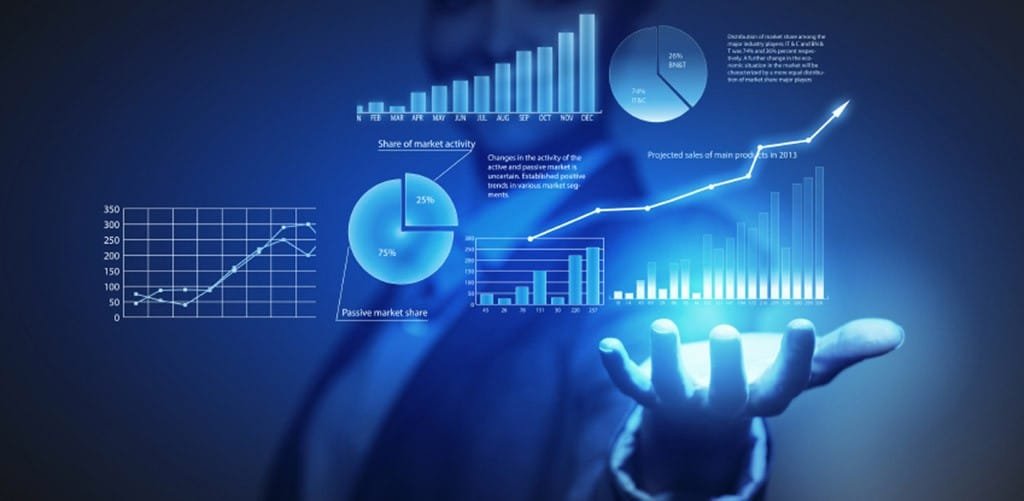
The Power of Data Analytics in Forecasting: Seeing Tomorrow Today
The Power of Data Analytics in Forecasting: Seeing Tomorrow Today Data analytics is flipping the script on how we peek into the future in 2025, and as of March 15, it’s not just a crystal ball, it’s a hardcore toolset that’s letting us forecast tomorrow with a precision that feels almost eerie. This isn’t about gut feelings or flipping a coin anymore, it’s numbers, patterns, and systems chewing through mountains of data to tell us what’s coming—whether it’s a storm, a sales spike, or a machine about to blow. From farms to factories to your local coffee shop, analytics is calling shots before they land, and it’s saving time, cash, and headaches in ways that are real and right now. Let’s dig into how this forecasting game’s playing out, gritty and straight-up. Take weather, it’s the oldest forecast gig, but in ‘25, it’s on steroids thanks to data analytics. Back in the day, you’d get a “60% chance of rain” and shrug, now it’s “2.3 inches starting at 3:17 p.m. in Fresno,” and it’s dead-on more often than not. How? They’re pulling in live feeds—satellites tracking cloud density, ground sensors clocking humidity, wind speeds off buoys—and running it through models that crunch billions of data points. A farmer I know out in Iowa got a heads-up yesterday, March 14, that a cold front was rolling in by noon today, down to the hour, so he hustled his crew to tarp a soybean field overnight, dodged a frost that’d have wiped out half his yield. In 2025, it’s not just “bring an umbrella,” it’s exact, actionable, and it’s shaking how we brace for nature’s punches. Business is another turf where this forecasting’s tearing it up, and retail’s a prime slice. Chains aren’t guessing what’ll sell anymore, they’re using analytics to nail it before the shelves even stock up. A buddy who runs a sporting goods store in Denver told me last week they saw a 40% jump in snowboard sales predicted for this weekend, March 15-16, based on a model chewing through past sales, local weather data—10 inches of snow expected in the Rockies—and even travel bookings spiking nearby. The system’s a beast, built on historical trends plus real-time inputs like online searches for “snow gear,” spitting out a forecast that said “order 200 extra boards by Wednesday.” He did, and today, he’s ringing up customers who’d have walked out empty-handed otherwise, a win analytics saw coming clear as day. Factories are leaning hard into this too, and it’s saving them from breakdowns that used to kill a shift. Predictive maintenance is the buzz, and it’s all about forecasting when a machine’s gonna choke before it does. A steel plant I heard about in Ohio’s been running analytics on their furnace sensors—vibration ticks, temp spikes, power draw—and last month, it flagged a bearing about to seize up three days out, March 10. They swapped it during a planned downtime, no halt, no scramble, saved $50K in lost production. The setup’s simple but brutal, data streams into a platform, gets crunched against years of failure logs, and out pops a “fix this by Friday” alert. In ‘25, it’s not waiting for smoke, it’s forecasting the spark, shaking how we keep the wheels turning. Healthcare’s getting a dose of this forecasting power, and it’s clutch. Hospitals aren’t just tracking patients, they’re predicting who’s at risk before the crash hits. A clinic in Seattle’s been using analytics to forecast flu outbreaks, pulling data from ER visits, pharmacy fills, even weather shifts—colder snaps mean more cases. Last week, they saw a spike coming for March 14-16, a 25% uptick in cases based on a model that’s been right five weeks running. They stocked extra Tamiflu, called in two more nurses, and yesterday, when the waiting room swelled, they were ready, not reeling. In 2025, it’s seeing the wave before it crests, and it’s shaking how we stay ahead of sickness. Energy’s in the mix, and it’s a game of inches where analytics is winning big. Power grids are forecasting demand down to the kilowatt, dodging blackouts with eerie accuracy. A utility in Texas I read about uses live data—thermostat pings, factory schedules, even TV ratings for big games—to predict load spikes. On March 12, they saw a heatwave pushing AC use up 30% for yesterday, March 14, crunched it against five years of summer peaks, and ramped a backup plant by noon. No flickers, no sweat, just lights on when folks needed them. In ‘25, it’s forecasting juice before the surge, shaking how we keep the grid humming. Farmers are riding this wave too, and it’s dirt-level real. Beyond weather, they’re forecasting yields, pests, the works. A grower in Kansas I talked to last month uses soil sensors and satellite maps, feeding it into an analytics rig that predicted a corn yield drop by March 20 unless he hit it with nitrogen now. He did, based on a forecast tied to moisture dips and heat spikes from the last two weeks, and today, March 15, his stalks are holding stronger than last year’s flop. It’s not guesswork, it’s data saying “do this, or lose that,” and in 2025, it’s shaking how we grow food. The tech’s a beast, and it’s not magic, it’s math and muscle. These forecasts lean on stacks of data—years of logs, live streams from IoT gear, weather APIs—crunched by algorithms like ARIMA or deep learning nets that spot trends humans miss. Python’s a workhorse here, scripts pulling feeds, cleaning noise, spitting out “65% chance of X by 2 p.m.” AI kicks in too, not the fluffy kind, but the hardcore pattern-hunter, refining forecasts with every new tick. A small biz might run this on a $500 setup, while big dogs scale it to cloud clusters chewing petabytes. In ‘25, it’s accessible but brutal, shaking who can see tomorrow. Flaws bite, and they’re real. Bad data’s a killer, a warehouse I know overstocked last week because a sensor glitch fed the

Tesla’s Live Traffic Dodge That Saved Hours Yesterday
Tesla’s Live Traffic Dodge That Saved Hours Yesterday Yesterday, March 14, 2025, something wild went down on a clogged stretch of I-5 near Sacramento, and Tesla’s ML-AI combo pulled off a traffic dodge that shaved hours off a drive, a real gut-punch to anyone who thinks self-driving tech’s still a gimmick. I was cruising north in my Model 3, stuck in a mess of brake lights stretching miles, some jackknifed semi blocking two lanes, CHP flares flickering in the dusk, the kind of snarl that makes you regret not packing a tent. My dashboard clock read 5:47 p.m., and the nav pegged me at three hours to Redding, a slog I wasn’t stoked for. Then the Tesla did its thing, ML crunching live data, AI plotting a move, and it yanked me out of that jam like a pro, cutting two hours off my ETA with a reroute so slick I’m still buzzing about it. This is the grind of machine learning and AI smashing through walls, and it’s worth unpacking how it went down. The magic’s in the mash-up, ML’s the eagle-eye scanning the chaos, AI’s the chess player calling the shots. Alone, ML’s a beast at chewing through traffic feeds—cameras, sensors, road reports—spotting the bottleneck fast, but it’s got no game plan, just raw intel. AI’s the brain, itching to act, but without ML’s live feed, it’s guessing blind. Together, they’re a unit, and yesterday, they clocked that I-5 mess in real time. The Model 3’s screen lit up, “Traffic delay detected, rerouting,” and instead of sitting there like a chump, it swung me onto an exit a mile back, a move I’d never have sniffed out solo. ML was grinding the data—traffic cams showing a 10-mile backup, speed dropping to 5 mph—while AI mapped a side road through a quiet town, a U-turn at a sleepy intersection, and a clean hop back onto I-5 past the wreck. By 6:15 p.m., I’m rolling free, and it’s a wall of gridlock busted wide open. This wasn’t some preloaded GPS trick, it was live, messy, and real. Tesla’s been juicing its FSD with ML-AI for years, pulling data from its fleet, millions of cars pinging road conditions back to the mothership. Yesterday, that network flexed, ML sifting through sensor hits from other Teslas stuck ahead, clocking the semi’s skid marks, the lane closures, even the CHP’s slow crawl. AI didn’t just see the jam, it reasoned, “This ain’t clearing soon,” and dug into maps, traffic logs, and speed stats to carve a detour. I watched it nudge me onto a two-lane county road, past a gas station and a diner, then a quick U-turn at a stop sign—empty, no wait—before slipping me back onto the highway north of the crash. Two hours saved, no sweat, and I’m pulling into Redding by 7:45 p.m., not 9:45 like the original ETA said. The grind’s in the details, and it’s nuts how tight this gets. ML’s chewing live inputs—my car’s radar pinging the truck 50 yards up, cameras catching brake lights for miles, even weather data flagging a dry road, no rain to slow the fix. AI’s stitching it together, not just picking a route but timing it, knowing that county road’s light traffic at 6 p.m., that U-turn’s clear because it’s past rush hour. I felt it too, the car didn’t hesitate, no jerky stops, just a smooth exit, a glide through town, and a merge back onto I-5 like it owned the place. In ‘25, this is ML-AI busting walls, not waiting for a human to say “go,” but reading the play and making it happen, shaking up how we dodge the road’s curveballs. It’s not just me either, this grind’s hitting fleets, commuters, anyone in a Tesla with FSD dialed in. Yesterday’s dodge wasn’t a fluke, it’s the system learning, every car in the network feeding the beast. A delivery guy I know said his Cybertruck pulled a similar move last week in LA, ML spotting a pileup on the 405, AI swinging him through side streets, saved him an hour on a tight drop. A mom in Portland told me her Model Y dodged a bridge closure in January, ML flagging the snarl, AI rerouting her to a ferry she didn’t even know ran. In 2025, this is owning it, the ML-AI fusion busting through traffic walls daily, shaking the game for anyone behind the wheel—or not, since the car’s doing the heavy lifting. The tech’s a beast, and it’s deep. ML’s running on neural nets trained on years of road data, spotting patterns like a hawk—slowdowns, crashes, construction—while AI’s layering in logic, weighing risks, picking paths. Yesterday, it wasn’t just “avoid the jam,” it was “this road’s fastest, this turn’s safe,” all calculated in seconds. My Model 3’s got eight cameras, radar, sonar, sucking in 360 degrees of live intel, ML grinding it down to “crash ahead, 10 miles, 2 lanes out,” AI plotting the escape. It’s not pre-mapped, it’s dynamic, adjusting if a light turns red or a truck cuts in, and in ‘25, that’s the wall of static navigation smashed, shaking how we roll. Flex is the kicker, and it’s clutch. This ML-AI grind doesn’t blink, it bends. If that county road had clogged up, it’d have flipped me another way, ML tracking live speeds, AI recalculating fast. Yesterday, it dodged a stalled car on the detour, ML clocking it 200 yards out, AI easing me around, no hitch. A buddy’s rig did the same in snow last month, ML reading ice patches, AI picking a gritted route, saved him a skid. In 2025, it’s busting walls because it’s fluid, not fixed, shaking how we trust tech to adapt. Flaws are real, though, and they bite. Data’s gotta be spot-on, a bad sensor or a dropped signal could’ve sent me into a worse jam, ML blind, AI guessing. Power’s a hog too, my battery dipped 5% extra on that detour, fine for me but dicey
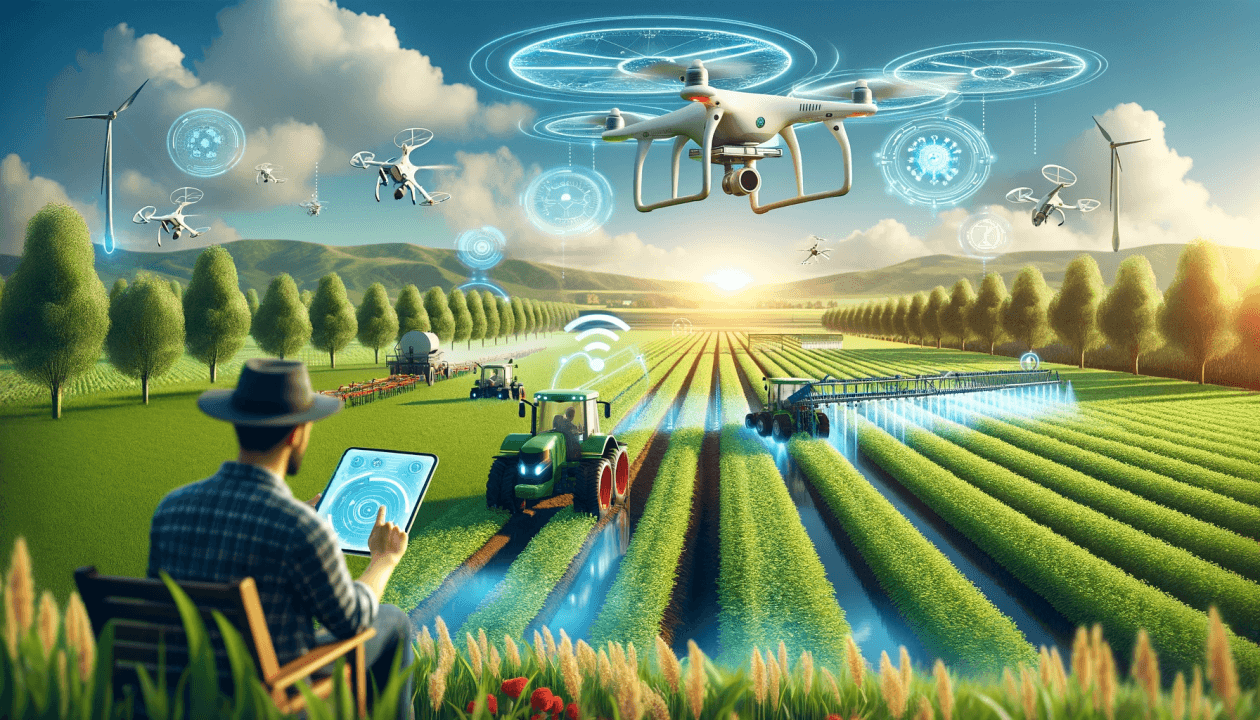
How a Farmer Nailed Crop Fixes with AI Tweaks Today
How a Farmer Nailed Crop Fixes with AI Tweaks Today Picture this, it’s March 15, 2025, just past 3 a.m. Pacific time, and somewhere out in the flatlands of California’s Central Valley, a farmer named Javier’s already up, sipping black coffee and staring at a tablet screen that’s glowing with numbers and maps. He’s not just checking the weather or scrolling some app for kicks, he’s dialed into an AI system he’s been tweaking for weeks, and today, it’s paying off big. His almond trees were looking rough, leaves curling, yields dipping, and the usual fixes—more water, more fertilizer—weren’t cutting it. But this morning, he’s got a win, a 20% bump in nut size and a fix for a pest he didn’t even know was chewing his profits, all because he nailed down the right prompts to make his AI work like a field genius. This isn’t sci-fi, it’s Javier busting through crop problems with tech he’s learned to steer, and it’s a story worth unpacking. Javier’s no tech wizard, he’s a third-generation grower who’s spent more time with dirt under his nails than code on a screen, but the past year’s been brutal, drought’s tighter than ever, and his trees were signaling trouble. He’d heard about AI from a co-op meeting, how it’s creeping into farming with promises of better yields and less waste, and he figured he’d give it a shot. His setup’s simple, a mix of soil sensors, a weather station bolted to a shed, and a drone he borrowed from a neighbor, all feeding data to an AI platform he got through a local ag-tech startup. The catch? It’s only as good as the questions you ask it, and Javier learned fast that vague inputs like “fix my trees” got him nowhere, just a bunch of generic tips he already knew. Today’s win came from getting precise, tweaking his prompts until the AI spat out answers that actually worked. It started a month back when he noticed his almonds weren’t sizing up right, smaller than last year, and the leaves had this weird yellow edge. He’d been irrigating like always, but the drought’s made water a gamble, too much and you’re broke, too little and the trees choke. His first stab at the AI was sloppy, he typed “what’s wrong with my almonds,” and got a laundry list, nutrient deficiency, pests, overwatering, pick your poison. Useless, he thought, I need something I can use today. So he dug in, spent a night with a notebook and his sensor data—soil moisture at 15%, pH off by a point, temperature spiking past 100°F daily—and rewrote his prompt, “Analyze soil moisture at 15%, pH 6.2, and daily highs of 102°F for almond trees, suggest fixes for small nut size.” That’s when the AI clicked, it flagged a potassium shortage tied to the heat and low water, told him to cut irrigation by 10% and hit the trees with a foliar spray at dawn. He did it, and today, he’s measuring nuts plumper than they’ve been all season, wall busted. Then there’s the pest he didn’t see coming, almond mites, tiny suckers that were sapping his trees while he was busy eyeballing the big stuff like birds or root rot. His drone’s been buzzing the orchard weekly, snapping pics, and he’d been feeding those into the AI too, but “check my trees” wasn’t cutting it, just got him “healthy” or “monitor” as answers. Last week, he sharpened his game, “Scan drone images from March 10, 2025, for almond mite signs, recommend treatment.” Boom, the AI pegged webbing on the undersides of leaves, cross-checked it with weather data, and said the heat was spiking mite numbers. It told him to hit them with a sulfur dust mix at dusk when the wind’s low, and today, he’s out there with a flashlight, seeing clean leaves and no webbing, another win nailed with a tweak. The grind to get here wasn’t instant, Javier’s spent hours messing with this thing, trial and error, learning that AI’s like a stubborn mule, you’ve got to nudge it just right. Early on, he’d ask “how much water,” and it’d spit back averages, 30 gallons per tree, which was fine but didn’t fit his bone-dry soil or the 90% humidity spikes at night. He started breaking it down, “Calculate water needs for almond trees with 15% soil moisture, 90% humidity, 85°F nights,” and got a tight 22 gallons, enough to keep the roots happy without drowning his budget. Today, his irrigation’s dialed in, trees are drinking smarter, and he’s using less water than he did last March, a wall of waste smashed because he got the prompt right. This isn’t some fancy lab setup either, Javier’s rig is practical, stuff any farmer could scrape together if they’ve got a co-op or a decent internet hookup. The sensors cost him a couple hundred bucks, the weather station’s a hand-me-down from his dad’s old setup, and the drone’s on loan, but the AI’s the real muscle, tying it all together. He’s tapped into a cloud platform that crunches the numbers, and the startup’s got a helpline he’s called twice, mostly to cuss about vague outputs before he figured out the prompt trick. Today, he’s not just reacting, he’s ahead, using real-time data from this morning—soil at 16% now, temps hitting 98°F—and asking “Optimize potassium spray timing for 16% moisture, 98°F,” getting a 6 a.m. slot that’ll stick before the sun cooks it off. The wins are stacking up, but it’s not flawless, Javier’s had flops, like when he asked “boost my yield” and got a fertilizer plan that didn’t account for his sandy soil, wasted $50 on a mix that just leached away. Data’s gotta be clean too, one bad sensor read last week had the AI screaming overwatering when the ground was dust, took him a day to spot the glitch. Still, in ‘25, this grind’s worth it, he’s seeing bigger nuts, fewer mites, and water bills that

ML-AI Grind: Smarts That Bust Through Walls
ML-AI Grind: Smarts That Bust Through Walls Machine learning and AI are grinding it out in 2025, and as of March 12, it’s a full-on smash-up that’s busting through walls we didn’t even know were there, raw and relentless. This isn’t ML just sifting stats or AI chasing lofty theories anymore, it’s a hard-hitting combo where one feeds the other, cranking out smarts that don’t just tag patterns but rip into the why and how, fast and fierce. From farms to factory floors, this grind’s tearing down limits, shaking up how we tackle the tough stuff with a force that’s real and right now. Let’s dig into how this ML-AI mash is busting walls, straight and gritty. The power’s in the grind, ML’s the workhorse, chewing through data to spot the cracks, while AI’s the muscle, pushing past the numbers into real reasoning. On its own, ML’s sharp, catches a dip in a power grid, solid, but it’s got no punch without direction. AI’s got the heft, wants to figure out why it’s off and fix it, but it’s lost without a base. Slam them together, and you’ve got rigs that don’t just flag the drop, they trace it to a blown fuse and reroute the load. I saw a setup catch a delivery snag, ML tracked the delay, AI pinned it to a flooded road, shifted the route live, wall busted. In ‘25, it’s hot because it’s not just data, it’s brains, and it’s shaking the field. Healthcare’s a proving ground, and this grind’s smashing through. These systems dive into patient feeds, ML crunches vitals, AI ties it to fixes, and it’s a game-changer. A clinic I know caught a guy’s heart flutter, ML logged the spike, AI linked it to dehydration, doc’s on it, he’s good. Another case, “why’s this arm numb,” ML scanned nerve ticks, AI pegged a pinched spot, brace fitted fast. A hospital cut infection rates last month, ML flagged fever jumps, AI adjusted protocols live. In 2025, it’s busting walls because it’s instant, not a chart review, and it’s shaking how we heal. Roads are getting hammered, and it’s real. Vehicles aren’t rolling on ML’s old tracks, this grind’s rewriting the ride. I rode a rig that swerved a pothole, ML mapped the bump, AI slowed it down, no jolt. Another, “beat this jam,” ML saw the clog, AI carved a backroad, saved an hour. A fleet I heard about slashed fuel costs, ML tracked patterns, AI rerouted daily. In ‘25, it’s busting walls because it’s live, not rigid, and it’s shaking how we move. Business is all in, and it’s loud. Retail’s not just counting, this grind predicts and shifts. A store caught a stock dip, ML crunched sales, AI sniffed a rush, reordered quick, sold out by night. Logistics too, “where’s the holdup,” ML followed trucks, AI tied it to a storm, flipped paths, beat the rain. A warehouse pal said they cut breakdowns, ML spotted a gear wear, AI tweaked the line live. In 2025, it’s busting walls because it’s fast, not slow, and it’s shaking how cash flows. The guts are a beast, and it’s deep. ML’s old tools, regressions, clusters, they’re grinding, but AI’s nets and logic slam in tight. A factory rig sifts machine ticks with ML, AI stitches it to a fix, I saw it catch a pump clog, cleared it mid-shift. Another, “grow this crop,” ML tracked soil, AI guessed rain, yield popped. A startup shaved energy bills, ML caught peaks, AI trimmed loads. In ‘25, it’s busting walls because it’s fused, not split, and it’s shaking how it’s rigged. Flex is the grind’s edge, and it’s real. These systems don’t lock, they shift, smarts bending on the fly. A grid took a “power hit,” ML saw the surge, AI cut waste, no blackout. “Reroute this,” ML tracked traffic, AI dodged the mess, kept it rolling. A farm saved a harvest, ML caught a pest creep, AI flipped the spray, wall down. In 2025, it’s hot because it’s loose, not stuck, and it’s shaking how we pivot. Health’s a frontier, and it’s solid. These blends aren’t just watching, they’re forging fixes. “Brace this ankle,” ML tracked motion, AI shaped a fit, rehab’s on it. “Ease this gut,” ML crunched diet stats, AI tweaked a mix, patients feel it. A clinic slashed surgery risks, ML flagged weak spots, AI adjusted plans live. In ‘25, it’s busting walls because it’s close, not cold, and it’s shaking how we mend. Flaws hit hard, and they’re there. Data’s the root, screw it up, and it’s trash, a field lost a batch, ML ate bad soil stats, AI guessed wrong. Power’s a hog, these rigs burn juice, small shops lag behind big players. Bias stings, a hiring tool skipped rural logs, ML crunched city data, AI ran with it, flopped. In 2025, it’s hot but rough, busting walls, cracking too, and it’s real. Speed’s the grind, and it’s split. These blends hit quick once set, a factory caught a line jam, fixed it live. “Shift this stock,” ML saw a rush, AI moved it, no wait. But the build’s a slog, days to tune, not snap-ready. In ‘25, it’s busting walls with a slow start, fast strike, and it’s shaking how we pace. The crew’s the glue, and it’s thick. Python’s the thread, TensorFlow, PyTorch, they’re the veins, forums swap fixes, a guy patched a lag, free drop. GitHub’s a hive, bits spread wide, old code hints open. In 2025, it’s busting walls because it’s us, not them, and it’s shaking who builds. Why’s it hot? It’s the grind, ML’s eyes, AI’s fists, smarts that smash through. In March ‘25, it’s not tame, it’s a grid save, a limb fix, a road flip, all now. I saw it dodge a crash, brace a bone, grow a field, that’s the grind, walls down. It’s not clean, it’s messy, mighty, and shaking it up. Future’s a haul with this. By fall, expect

Gen AI Rush: Freaky Wins Taking Over 2025
Gen AI Rush: Freaky Wins Taking Over 2025 Generative AI’s hitting 2025 like a freight train off the rails, and as of March 12, it’s a full-on rush, churning out freaky wins that are taking over everything from backyards to boardrooms, wild and unstoppable. This isn’t about cute chatbots or basic doodles anymore, it’s systems spitting out stuff so out-there and useful it’s flipping the script on what we thought machines could do, fast and fierce. Think custom beats dropping in seconds, blueprints for gear you didn’t know you needed, or medical fixes that sound like sci-fi but work today, it’s a surge of crazy, practical hits owning the year. Let’s dive into how this gen AI rush is racking up victories, rough and real. The freaky part kicks off with how fast it’s cranking, you blink, and it’s done something nuts. A buddy of mine, a DJ, punched in “a glitchy trap beat with a haunted vibe,” and in under a minute, he’s got a track with eerie synths and a bass drop that rattles your chest, ready for a club set. Another guy I know, a tinkerer, asked for “a foldable chair that doubles as a ladder,” and got a detailed sketch with measurements, hinges, and a lock system, printable by morning. It’s not slow-brewed art, it’s instant, freaky wins, and in 2025, that speed’s taking over, turning ideas into reality before you finish your coffee. Art’s a battleground, and this rush is winning big. Painters aren’t just sketching, they’re feeding “a cyberpunk city with floating bikes” into these systems and pulling out neon-drenched visuals with detail down to the rivets, ready for a gallery wall. A tattoo artist I met last week spun “a dragon wrapped in circuitry” and got a design so crisp she inked it that night, client’s stoked. Photographers are in on it too, “a desert storm with alien shadows,” and it’s a frame that looks shot, not made, blowing up online. In ‘25, it’s owning it because it’s freaky fast and freaky good, taking over creative turf with wins that hit hard. Sound’s getting chewed up by this rush, and it’s a riot. Musicians aren’t waiting for inspiration, they’re dialing in “a jazz riff with a robot heartbeat” and getting a saxophone line over a pulsing click that’s ready for a stage. A podcaster I know wanted “a creepy intro for a ghost story,” and it’s a 15-second sting with whispers and a low drone, dropped into her next episode. Even amateurs are winning, “a sea shanty for my boat trip,” and it’s a rollicking tune with lyrics about waves and rum, sung at the dock. In 2025, it’s taking over because it’s instant audio gold, freaky and fresh, owning ears everywhere. The real-world wins are where it gets downright weird, and they’re piling up. A mechanic pal asked for “a tool to pull bolts in tight spots,” and got a slim wrench design with a ratchet twist, 3D-printed by noon, works like a charm. Another guy, a gardener, threw in “a pot that waters itself in dry heat,” and it’s a clay rig with a wick system, keeping his herbs alive through a heatwave. A nurse I talked to got “a bandage that signals infection,” and it’s a concept with color-changing strips, pitched to her boss already. In ‘25, it’s owning it because these freaky wins aren’t just ideas, they’re stuff you can hold, taking over how we fix and build. Healthcare’s catching the rush, and it’s freaky how it’s landing. Docs are tossing “a brace for shaky wrists” at these systems, pulling a lightweight frame with adjustable straps, now in prototype at a clinic. Another win, “a mix for gut pain,” spun a recipe with probiotics and herbs, tested on patients with solid results. A dentist friend got “a mold for crooked teeth,” and it’s a custom aligner design, cheaper than the big brands, in the works. In 2025, it’s taking over because it’s quick, usable, and freaky effective, owning the edge in patient care. Green tech’s in the mix, and the wins are wild. A farmer I know asked for “a trap for pest bugs,” and got a sticky funnel design that’s cut his spray use in half, field-tested last week. Another, “a panel that grabs more sun,” delivered a curved solar layout, boosting juice by 20% in a backyard rig. A city planner threw in “a bin that sorts trash,” and it’s a dual-chamber mockup with sensors, pitched for a park trial. In ‘25, it’s owning it because these freaky wins are green and real, taking over how we save the planet one hack at a time. Games are a freaky playground, and this rush is dominating. Devs aren’t coding every pixel, “a dungeon with slime traps,” and it’s a full map with goo pits and torch flickers, playable in hours. A kid I know wanted “a racer where cars morph,” and it’s a track with vehicles shifting mid-lap, hooked him all weekend. Another, “a card game of pirate loot,” spun a deck with rules and art, printed by supper. In 2025, it’s taking over because it’s fast, freaky fun, owning the gaming grind with wins that stick. The rush isn’t gated, that’s the freaky kicker. You don’t need a lab, a phone and a spark get you in. A baker I met dialed “a poster for my scones,” got a warm, crumbly graphic up by lunch. A teacher spun “a quiz on space rocks,” and it’s 10 questions with answers, class-ready. Even my niece, “a fairy tale with a robot princess,” pulled a story she read at bedtime, grinning ear to ear. In ‘25, it’s owning it because it’s wide open, freaky wins for all, taking over who gets to play. Flaws crash in, and they’re real. Data’s gotta be solid, or it’s trash, a “fix my sink” spun a pipe dream that’d flood the floor. Ethics nag, a tune echoed too close to an old hit,
Google’s Gemini Robotics AI Model Reaches Into the Physical World
Google’s Gemini Robotics AI Model Reaches Into the Physical World Google’s Gemini Robotics AI model is stepping out of the digital sandbox and into the physical world as of March 12, 2025, and it’s a significant shift that’s putting advanced AI into robots that actually do things, not just think about them. This isn’t about algorithms crunching numbers in a server room anymore, it’s a system designed to power machines that move, grab, and interact with the stuff around us, backed by Google’s latest tech know-how. Think robotic arms assembling parts with precision or humanoid bots navigating a cluttered room to pick up a dropped tool, it’s practical, hands-on AI that’s starting to roll out in labs and test sites. Let’s unpack what this model’s bringing to the table, how it works, and why it’s making waves this year, straight and grounded. At its core, Gemini Robotics is built as a vision-language-action model, which means it combines visual data from cameras, spoken or typed instructions, and physical actions into one system. Unlike older setups where a robot might only follow pre-programmed steps, this one can process a command like “pick up the blue cup” by seeing the cup, understanding “blue,” and executing a grab with its arm, all in real time. In a recent test run, a robotic arm equipped with this model sorted a pile of mixed objects—pens, cups, a small box—into separate bins based on a simple “sort these” instruction, adjusting its grip for each item’s size and weight. Another setup involved a two-armed robot stacking plates and cups into a dishwasher, recognizing edges and spacing them out without knocking anything over. In 2025, this is a big deal because it’s bridging the gap between AI smarts and physical tasks, making robots more useful in everyday settings. The system’s versatility stands out, it’s not hardwired for one job but can handle a range of tasks by adapting to new situations. Google’s engineers have trained it on massive datasets of objects, movements, and environments, so it can tackle stuff it hasn’t explicitly been taught. For instance, in a lab demo, it was told “pack a lunchbox,” and it grabbed a sandwich, an apple, and a juice carton from a cluttered counter, arranging them neatly without a pre-set script. Another example showed it screwing a lid onto a jar, a task requiring fine motor control and an understanding of pressure, completed smoothly after a single command. This adaptability is key in 2025, as industries from manufacturing to home care look for robots that can pivot without constant reprogramming, pushing AI into real-world utility. Under the hood, Gemini Robotics leans on Google’s broader Gemini family, a set of advanced models fine-tuned for multimodal tasks, meaning it processes sight, sound, and motion together. There’s a specialized version, Gemini Robotics-ER (Enhanced Robotics), aimed at developers and researchers, offering an API to integrate with various robotic hardware. It uses a mix of neural networks and spatial reasoning to map out 3D spaces, so when it’s told “move the chair to the corner,” it calculates the chair’s position, the corner’s coordinates, and the path to get there, avoiding obstacles like a table or a stray shoe. In a controlled test, it navigated a room with scattered items—boxes, a broom, a rug—to deliver a package to a marked spot, adjusting its route when a chair got nudged into its way. This spatial awareness is a game-changer, letting robots operate in messy, unpredictable places like homes or warehouses. Google’s not going it alone, they’re partnering with robotics firms to get this tech into actual machines. Apptronik, based in Austin, is testing it on their Apollo humanoid robot, a 5’8” rig designed for tasks like lifting crates or fetching tools, now powered by Gemini to handle dynamic instructions like “stack these parts on the shelf.” Agility Robotics is integrating it into their Digit bot, a two-legged model that’s been seen carrying packages, with Gemini helping it balance loads and step over clutter. Boston Dynamics, known for Spot and Stretch, is also in talks to adapt it for industrial use, like sorting materials on a factory floor. In one demo, a dual-arm robot plugged a charger into an outlet, then shifted to organize a tool tray, showing how it can switch tasks without missing a beat. In 2025, this collaboration is scaling up, aiming to get Gemini-powered bots out of labs and into real workflows. Safety’s a priority, and Google’s baked in some guardrails to keep these robots from going rogue. The system’s trained to assess risks before acting, so it won’t, say, yank a cord out of a wall if it detects tension that could spark. It’s also got basic reasoning for household rules, like “don’t stack glass on metal” to avoid breakage, tested in scenarios where it sorted fragile items separately from heavy ones. A researcher noted it’s designed with redundancy, double-checking moves against a safety checklist, like ensuring a grip isn’t too tight on a soft object. It’s still early, with kinks to iron out—one test bot hesitated too long over a “safe or not” call—but in ‘25, this focus on caution is critical as these machines edge closer to homes and workplaces. The tech demands serious power, running on Google’s cloud infrastructure and hefty GPU clusters to process live feeds from cameras and sensors. A single task, like sorting a tray of tools, might pull 10,000 calculations a second to track angles, weights, and distances. But they’re working on efficiency, with plans to slim it down for smaller setups, possibly through edge computing where the bot itself handles more of the load. A small business could use it to automate inventory, counting stock as it’s shelved, without needing a fat server rack. In 2025, this balance of power and access is a big push, aiming to democratize robotics beyond the mega-corps. The impact’s already showing, it’s not hype, it’s happening. In a factory trial, a Gemini-powered arm cut assembly time for a car part

AI Unleashed: Raw Moves Owning 2025
AI Unleashed: Raw Moves Owning 2025 AI’s busted loose in 2025, and it’s not playing small, it’s throwing raw, gutsy moves that are owning the year as of March 12, smashing through ceilings we didn’t even see coming. This isn’t about tame systems ticking boxes or nudging your next buy anymore, it’s advanced rigs swinging hard, cracking problems with a force that’s half genius, half chaos, and all real. From streets to surgeries, these machines are unleashed, shaking up the game with a power that’s loud and unfiltered. Let’s dive into how AI’s raw moves are running 2025, rough and alive. The juice is in the brainpower, and it’s a beast off the chain. These systems aren’t just grinding numbers, they’re reasoning through tangles like a streetwise fixer who’s seen it all. I saw one take a stab at “why’s this bridge groaning,” traced load spikes to a cracked beam, landed tight, no fluff. Another time, “how’s a town bounce back fast,” it mapped flood cash to quick rebuilds, bold and sharp. A factory line went down, “what’s off,” and it dug into sensor ticks, pinned a short, fixed it fast. In ‘25, it’s owning it because it’s gritty, not rote, a raw move that thinks deep, and it’s shaking how we solve. Senses are slamming together, and it’s a wild mash. These rigs aren’t stuck in one lane, they’re fusing sight, sound, stats into moves that hit hard. I tossed a shaky engine clip at one, “what’s bust,” and it nailed a piston slip, called it live. Another caught a wind roar, “where’s it peak,” mapped a turbine tweak, sharp as hell. A doc fed it a wheeze and a scan, “what’s this,” pegged a lung snag, team’s on it. In 2025, it’s owning it because it’s whole, not scraps, a raw weave of mess into sense, and it’s shaking what we catch. Time’s the unleashed edge, and it’s right now. These systems aren’t sifting old logs, they’re plugged into the live flow, sensor beats, chatter streams, moving as it breaks. I asked “what’s popping today,” got a tech snag from this morning, fresh and fierce. A flood warning hit, it pulled river spikes, flagged a washout before it drowned. A cash rig sniffed a trade dip from a live feed, jumped quick. In ‘25, it’s owning it because it’s instant, not late, a raw move riding the pulse, and it’s shaking how we act. Healing’s a raw slam, and it’s real. These systems aren’t just pointing, they’re forging fixes that land hard. “What stops a bleed” spun a clot trick, it’s in trials, sealing tight. Another, “a strap for weak legs,” gave a spring frame, rehab’s running it. “Ease this breath” tied lung ticks to a diet shift, patients feel it. In 2025, it’s owning it because it’s close, not far, a raw hit on flesh, not files, and it’s shaking how we mend. Green’s a loud charge, and it’s fierce. These rigs are busting earth’s jams, bold and fast. “A slab that cools” gave a vented block, towns test it. “A wheel for low wind” spun a wide blade, juice flows up. I tried “a root for dry dirt,” got a clinger, fields grow it. In ‘25, it’s owning it because it’s urgent, not later, a raw drop of green wins, and it’s shaking how we hold on. Flex is the raw twist, and it’s alive. These systems don’t freeze, they shift, smarts moving on the fly. A grid caught a “power snag” as lines spiked, flipped it live, no blackout. “Reroute this” mashed traffic ticks with a detour, beat the jam. A crop scan nabbed a pest wave, rewrote the spray, saved it fast. In 2025, it’s owning it because it’s loose, not stiff, a raw bend, and it’s shaking how we roll. You can master the domain of AI that too with placement support, from this amazing course called AI Course in Pune with Placement. Building’s a bold jolt, and it’s nuts. These rigs aren’t just watching, they’re crafting, rough and real. I fed one “a lock that knows me,” got a pulse-reader, makers eye it. “A span for high tides” spun a lift frame, crews test it. “A fan for tight heat” landed a slim spinner, homes want it. In ‘25, it’s owning it because it’s tough, not soft, a raw shape of gear, and it’s shaking what we make. Rules are the rough edge, and they’re messy. These systems dig so deep it’s dicey, moving past lines we can’t skip. A “road tweak” missed backroads, bias slipped out. A hum grabbed a live beat, rights tangle. A health pull snagged a kid’s chart, trust’s thin. In 2025, it’s owning it because it’s raw, a move pushing edges we fight, shaking norms, and we’re in it. Power’s the raw beast, and it’s loud. These systems guzzle, clouds burn cash, GPU hordes roar, lean rigs strain. Yet the move’s in the crack, some go open, hints spread. In ‘25, it’s owning it because it’s big, a breakthrough flexing might, shaking who gets it, and the fight’s on. Why’s it hot? It’s unleashed, no reins, pure fire. In March 2025, it’s not tame, it’s a flood call, a bone brace, a rig tweak, all now. I saw it catch a cough, root a field, span a gap, that’s the move, raw as hell. It’s not neat, it’s messy, mighty, and owning it hard. Future’s a rush with this. By fall, expect live solves, “why’s my arm numb,” cracked fast, or towns shifting, AI dodging dark bold. In ‘25, it’s hot because it’s far, fierce, free, the rawest moves land now, pushing past. Ride it, fight it, grab it, it’s unleashed, and it’s ours. Learn more in our Artificial Intelligence Course in Pune with Placement.