

Zomato’s Delivery Surge Predicted Yesterday Zomato just nailed a slick move yesterday that’s got their delivery game on point, predicting a surge that could’ve swamped their riders but instead kept food flying out fast, landing orders—like my biryani—on time today instead of leaving folks hangry. We’re talking about a sudden order spike that hit Delhi on March 21, jumping 25% above normal with a weekend vibe and a 70°F evening pushing demand, the kind of rush that’d usually clog kitchens and streets. Instead, Zomato’s ML-AI system saw it coming, prepped their network, and rode the wave smooth, a sharp call that turned a potential mess into a win. Let’s dig into how they called it yesterday, straight from the streets. Zomato’s been a delivery king in India, pushing millions of orders a month, and their tech’s built to handle chaos like this. Yesterday’s surge started brewing Thursday morning, March 20, with signs piling up—app searches for “weekend dinner” up 15%, weather forecasts locking in 70°F for Delhi, and a cricket match set to wrap by 7 p.m., all hints of a food frenzy. Their ops hub in Gurgaon had their ML system chewing on it by noon, and by 3 p.m. on March 21, live data was pouring in, order rates ticking 10% above average, rider GPS showing tighter traffic near Connaught Place, and restaurant pings flagging early rushes at 200 spots. The AI didn’t just watch, it acted, forecasting a 25% spike—50,000 extra orders—and optimizing riders and kitchens by dusk, so today, deliveries are hitting like clockwork. Here’s how it rolled out, around 4 p.m. yesterday, ML pegged the surge—peaking at 8 p.m. across Delhi-NCR—and synced it with delivery schedules, 5,000 riders on deck, 10,000 orders already in queue by 5 p.m., headed for a crunch without a tweak. The system spotted the pinch, traffic data showing a 15-km jam near Gurgaon, order clusters piling up in South Delhi, and kitchen logs predicting a 20-minute delay per dish if demand doubled. AI kicked in, mapping a plan by 5:30 p.m.—adding 500 riders from nearby zones, rerouting 1,000 to bypass jams via Ring Road, and pinging 300 restaurants to prep extra rice and naan—pushing capacity up 30%. By 9 p.m., they’d cleared 48,000 extra orders, a surge handled clean, food hot and fast. This isn’t Zomato winging it, their ML-AI combo’s sharpened on years of hustle—5 billion orders tracked, traffic patterns since 2019, and every delivery snag they’ve logged. Yesterday, it pulled live feeds, weather showing 60% humidity in Delhi, rider apps clocking 20% more pings, even match updates hinting at a post-game rush. The AI didn’t guess, it weighed options—extra riders cost $2,000, reroutes burned 10% more fuel—against the risk of 10,000 late orders losing $50,000 in refunds, and picked the smart play. By 7 p.m., when traffic peaked and orders hit 12,000 an hour, Zomato had 90% of their fleet in the right spots, deliveries flowing, customers none the wiser. The win’s real for me, I’d ordered that biryani Thursday night, March 20, from a Delhi joint, 45-minute delivery promised for Saturday lunch, March 22, and with the surge, I was ready for a “running late” text stretching it to dinner. Instead, it landed at 12:30 p.m. today, still steaming, because Zomato’s call kept it on track—picked up at 8 p.m. yesterday, rider dodged a jam near IIT, hit my door bang on time. It’s not just my plate, a buddy in Noida got his pizza today too, same story, surge-proof, a save that’s got Zomato’s 100,000 riders looking like they’ve got it wired. Their tech’s a grinder, ML sifts through a flood of data—50,000 order pings a minute, 500,000 GPS hits daily—while AI runs the moves, testing rider shifts versus kitchen boosts, picking the plan with 95% on-time odds. Yesterday, it adjusted live, a rider near Dwarka hit a flood spot—10-minute stall—and the system swapped him out, cutting 15 minutes off the route. It’s hooked into Zomato’s logistics core too, tracking order status—my biryani stayed at 65°F, no soggy rice—and syncing with their Gurgaon servers, a setup they’ve been tuning since 2021. In 2025, this isn’t fancy, it’s food on wheels. There’s some bite, though, data’s got to be spot-on—a glitchy traffic feed could’ve piled riders into a swamp, and one batch did, near Rohini, delayed 30 minutes before a manual fix. Fuel spiked 12% with reroutes, $3,000 extra across the fleet, a hit Zomato can take but not every startup can. And it’s urban-only—rural zones with spotty data could miss the call, though yesterday’s Delhi focus held tight. In 2025, it’s an edge with effort, but it worked. The edge is yesterday, March 21, they didn’t just ride a surge, they owned it—50,000 extra orders cleared, 92% on time today, March 22, no chaos, no excuses. It’s not reacting, it’s predicting, staging riders and rice before the rush hit, keeping plates full. I’m digging into that biryani now, no “delayed” ping in sight, and it’s Zomato showing ML-AI isn’t just tech, it’s timing. They’ll sharpen this, by monsoon, expect “predict a flood rush in 10 minutes” or “stage live in 5,” tighter calls, bigger saves. In 2025, it’s real, it’s now, an edge that’s Zomato owning delivery. Yesterday, March 21, it’s a surge predicted and crushed, and they’re not slowing down.
Airbus’ Factory Streamlined Wing Assembly
Airbus’ Factory Streamlined Wing Assembly Today Airbus just scored a quiet win today in their Toulouse facility, where an AI system streamlined wing assembly for an A350, shaving time and boosting output in a way that’s got their production crew nodding in approval. This wasn’t some slow tweak either, we’re talking a live adjustment that took a bustling factory line—churning out massive 200-foot wings—and bumped its pace by 12% in a single shift, all without a single worker breaking a sweat extra. The wing, a carbon-fiber beast for an A350-1000 slated for Qantas next year, rolled out smoother and faster than yesterday’s batch, and by noon, they’d cleared an extra unit ahead of schedule, a move that could ripple through their 2025 targets. Airbus has been chasing smarter factories for years, and today, they showed it’s clicking—this could reshape how planes get built, and I’ve got the rundown on how it played out. The action fired up this morning at Airbus’ A350 assembly plant in Toulouse, where their production team’s been testing AI to keep their lines lean and fast. They’ve got this system—call it their factory brain—hooked into the wing line, a sprawling setup with cranes, robots, and 300 workers piecing together 20-ton wings for one of their top-selling jets. Today’s goal was simple but big, tighten the process—usually a 10-hour grind per wing—and push output without adding bodies or hours. By midday, they’d shaved 72 minutes off the cycle, hitting a 12% boost, all because the AI stepped in, read the floor live, and nudged the whole operation into a tighter groove, a demo that’s got me rethinking what “efficiency” looks like in 2025. Here’s how it went down, the shift started at 6 a.m., and the AI kicked in right away, scanning the line with a network of sensors—200 cameras and pressure pads tracking every move, like a coach watching a play unfold. It clocked the bottlenecks fast, a riveting station lagging 15 minutes per wing, cranes waiting 10 minutes to sync with bolt teams, and a parts tray stalling 8 minutes for restocks. The system, trained on a decade of A350 builds—every rivet, every weld—crunched the data live and spat out tweaks by 6:30, speeding rivets by 20% with a robot arm adjustment, syncing cranes to cut wait times to 3 minutes, and pre-staging parts to slash tray delays to 2 minutes. By noon, the line had churned out 1.2 wings instead of the usual 1, a 12% jump that kept quality locked—20,000 rivets per wing, all spot-on. Airbus has been laying the groundwork for this, they’ve got a history with automation—think their robotic drilling rigs and digital twin tech—and today’s run ties it to their A350 production. This AI isn’t just following a script, it’s pulling from millions of assembly hours, live feeds—rivet torque at 50 Nm, crane loads at 5 tons, worker pace steady—and adjusting on the fly, like when it caught a robot arm drifting 2mm off-center at 9 a.m. and recalibrated it in 30 seconds. Today, it ran the wing line like a pro, a level of control that’s got their engineers buzzing. In 2025, with each A350 costing $350 million and orders piling up—700 in backlog—this could mean more planes out the door without bloating costs. The stakes were real, this wasn’t a test run—the wing’s headed for an A350-1000, a 366-seat jet Qantas tapped for Sydney-London runs, and any slip could’ve pushed delivery past June 2026, a $10 million hit per plane. The AI didn’t blink, it scanned the line—40 stations, 150 tasks per wing—and optimized live for a crew of engineers and a few execs watching. By the end, the wing cleared specs—200 feet long, 10,000 pounds, lift-ready—a process that’d usually drag into late afternoon, wrapped by noon with an extra unit started. It’s not just a tweak, it’s Airbus proving they can squeeze more from the same bones. What’s fueling this is Airbus’ drive to own efficiency—build faster, cheaper, better—with AI that trims waste and keeps orders flowing. Today’s 12% boost saved 72 minutes per wing, about $50,000 in labor and power per unit, and in a full plant, that could scale to dozens a month, slicing millions off overhead. The system’s tied to their factory network too, pulling live data—parts inventory, tool wear, shift logs—so it staged rivets and bolts ahead of need, no gaps. In 2025, with airlines pressing for 60 A350s a year, this could mean hitting deadlines without adding a second shift, a punch at rivals and a win for buyers like Qantas. The tech’s no lightweight, it’s got a custom AI model running on Airbus’ servers, paired with edge processors—likely their own design—crunching sensor data and optimizing at 0.5-second intervals. The line’s rigged with servo bots and load sensors, tech lifted from their A320 builds, but here it’s syncing 50-ton cranes and 5mm rivets. Today, it tapped a database of 8 million assembly steps, synced with live inputs—cameras at 60 FPS, pressure at 10 kPa—and ran it clean without a hiccup. In a rollout, this could link to all their plants, cutting build times across the board. It’s not flawless, though, the AI’s picky—data needs to be perfect, and a shaky sensor almost misread crane loads at 8 a.m., caught by a tech before it slowed the line. It’s power-hungry too, pulling 1,000 watts a shift, fine for Toulouse but a challenge for smaller sites. And it’s A350-only for now—A320 wings or fuselages might need retraining. In 2025, it’s a step, not the finish line, but today’s run showed it’s solid, not a pipe dream. The win’s right now, March 22, that wing’s done, line’s ahead, and Airbus has a marker—12% faster, no extra sweat, streamlined. It’s not just a tweak, it’s a shift, they’re tightening production live, fast and smart. I’m picturing a hangar with A350s stacking up quicker, and it’s Airbus flexing muscle. They’ll push this, by summer, maybe “cut 15% off fuselages” or “sync live in 5,” AI tighter,

PayPal’s AI Code Still Running Tight Today
PayPal’s AI Code Still Running Tight Today PayPal’s got a Python-based AI code package that’s still running tight today, a toolkit they dropped back in January that’s holding its ground ten months later, powering real-time wins like a fraud scan catching 1,000 risks this morning, a payment optimizer keeping transactions smooth, and a risk model flagging dodgy accounts—all leaning on the same lines of code. This isn’t some outdated script collecting cobwebs, it’s PayPal’s AI Tight Kit, a sharp release from their San Jose labs, built to crank up their payment game with Python, and it’s still the backbone for their ops today, March 22. We’re talking about a package that’s quick, solid, and still delivering, from stopping scammers to speeding cash flow to locking down security, and I’ve got the rundown on why it’s still tight, straight from the wire. PayPal’s been a heavy hitter in AI for a while, weaving it into their payment and security systems since they started pushing fraud detection and real-time processing, and their January 8 release of the AI Tight Kit was a low-key beast—20,000 lines of Python, shared internally with their dev teams, packed with tools for live data analysis, ML tweaks, and payment hooks, lean enough to run on a $300 server or scale to their cloud. Today, it’s still humming, take their fraud team in San Jose using it to scan transactions—by noon, March 22, they’d nabbed 1,000 sketchy moves out of 10 million daily payments, saving a potential $250,000 loss. The code’s pulling live data—transaction spikes, device IDs, geo-patterns—running a model that spots risks like a $500 charge bouncing between five IPs in an hour, flagging it in under a second, still running tight from that January drop. Their payment flow’s loving it too, an optimizer tied to the kit’s been smoothing cash all month. Today, March 22, it handled a midday rush—20% more payments than yesterday, $300 million through by 2 p.m.—rerouting traffic across servers to cut delays by 15%, a $50,000 save in lost sales. The Python code’s chewing real-time stats—50,000 transactions a minute, 90% mobile—feeding an AI that predicts choke points 10 minutes out, no hiccups, no stalls. It’s the same January release, no big rewrites, still keeping money moving, tight as ever. Risk management’s in the mix too, PayPal’s security crew has the kit wired into a model that’s been sniffing out bad actors all week. Today, March 22, it flagged 300 high-risk accounts—new signups with odd patterns, like 20 logins from Nigeria on a U.S. card—and froze them before they could cash out, a $75,000 save. The code’s sucking in user data, cross-checking a year of activity—100 million accounts tracked—and running a lightweight ML setup that adjusts live—risk scores jumped from 30% to 85% mid-session, spot-on when one tried a $1,000 transfer. It’s not a one-off, the AI Tight Kit’s still the go-to for a team that’s been tuning it since February, no overhaul needed, just Python holding the line. Why’s it stick? PayPal built it on Python’s bread-and-butter—numpy, scikit-learn, their own payment libraries—stuff their devs live in, but they kept it clean, no clutter, so it runs anywhere, a spare box or their Azure setup. It’s got plug-and-play bits—data streams, pre python trained ai models, API ties—and it’s adaptable, so a risk analyst in Chennai added a geo-filter in March, rolled it out, and today it’s catching scams nationwide. PayPal pushes updates monthly—speed tweak in May, fraud patch in August—but the January core’s bulletproof, still pulling 6,000 internal runs a week, proof they nailed it from the start. In 2025, it’s not slipping, it’s solid, a code drop with legs. The fraud catch is a standout, today’s 1,000 flags came from a system live since April, trained on 5 billion transactions, now sniffing risks live—a $200 spike from a ghost IP caught in 0.4 seconds. The payment optimizer’s no joke, it’s saved $200,000 in delays this week, March 17-22, balancing loads based on stats the code reads like a ledger. The risk model’s locked down $500,000 in threats this month, freezing accounts with surgical calls. In 2025, this isn’t flash, it’s firepower, still tight from January. The tech’s a workhorse, built to sip power—runs on 1 watt for the optimizer, scales to 350 for fraud scans—processing live data with Python’s speed, spitting out results fast. The fraud scan’s tackling 100,000 checks a second, AI pinning 99% of clean payments, no drag. The optimizer’s pulling 150 metrics a minute, predicting jams with 96% accuracy, no drops. The risk model’s crunching 200 million past actions, nailing flags with a 1% miss. It’s not loud, it’s locked, still running tight ten months in. There’s edge, though, Python’s not the quickest—Java could trim 3ms off scans, and a tight loop today lagged the optimizer by 10ms, fine but not perfect. Fraud needs coders who know it, or it’s just lines—the Chennai team leaned on a PayPal pro to tune it right. Bugs creep too, a data glitch in July threw risk scores off by 3%, patched quick but sloppy. In 2025, it’s strong but not spotless, still winning with grit. The edge is today, March 22, ten months strong—$250,000 saved on fraud, $50,000 in payments, 300 accounts locked. It’s not old, it’s live, PayPal’s Python drop proving it’s not a fad, it’s a foundation. I’m picturing a dev in San Jose tweaking it tonight, and it’s PayPal saying, “We built it, it holds.” They’ll keep it sharp, by year-end, maybe “catch risks in 0.2 seconds” or “optimize in 3,” still Python, still PayPal. In 2025, it’s now, it’s real, a heat that’s crushing it. Today, March 22, it’s not stale, it’s saving cash and flow, and they’re not letting up.
Myntra’s Delivery Reroute Saved a Day
Myntra’s Delivery Reroute Saved a Day Myntra just pulled off a clutch move yesterday that’s got me impressed, they rerouted deliveries around a rain mess that could’ve delayed thousands of packages, getting stuff—like a jacket I’d been eyeing—to doorsteps today instead of stuck in a soggy warehouse somewhere. We’re talking about a sudden downpour that hit Karnataka on March 21, dumping 5 inches in four hours, clogging roads from Bangalore to Mysore with flooded stretches and stalled trucks, the kind of chaos that’d usually push deliveries to Monday or worse. Instead, Myntra’s ML-AI system sniffed it out early, flipped the script, and kept their fleet moving, a smart play that turned a washout into a win. Let’s break down how they saved the day yesterday, straight from the route. Myntra’s been a big name in India’s online fashion game, moving millions of packages a month, and their tech’s built to handle curveballs like this. Yesterday’s rain started brewing Wednesday night, March 20, with weather alerts flagging a 90% chance of heavy showers across Karnataka—4-6 inches expected, flash flood risks by midday Thursday—and Myntra’s ops hub in Bangalore had their ML system on it by dawn. By 6 a.m. on March 21, live data was streaming in, radar showing rain bands piling up near Tumkur, traffic sensors clocking NH48 slowdowns, and GPS pings from 250 trucks ticking off early snarls. The AI didn’t just sit there, it mapped a dodge, shifting deliveries north and east before the rain peaked, and by evening yesterday, packages were landing on time, dry and ready. Here’s how it unfolded, around 7 a.m. yesterday, ML flagged the storm’s path—hitting Bangalore by 9 a.m., Mysore by noon—and synced it with shipment schedules, 3,000 packages set to roll through Karnataka that day, including a big batch from a Bangalore hub headed to coastal towns. The system saw the snag, highway data showing a 20-mile backup near Mandya by 8 a.m., flooded lanes and a flipped truck, and weather models predicting an 8-hour mess if trucks stayed on course. AI jumped in, pulling alternate routes—NH275 north through Hassan, then south via SH57, a 90-mile detour but clear of water—and beamed the plan to drivers and hubs by 8:30 a.m. Trucks swung out, dodging submerged roads and gridlock, and by nightfall, those packages—like my jacket—hit doorsteps in Mangalore, Udupi, even Goa, a rain jam beat clean. This isn’t Myntra guessing, their ML-AI setup’s honed on years of data—10 billion tracking updates, weather logs since 2018, and every delivery hiccup they’ve faced. Yesterday, it tapped live feeds, radar showing 4-inch rain depths near Chikmagalur, truck sensors clocking wheel slip at 15%, even local alerts about a bridge out near Sakleshpur. The AI didn’t reroute blind, it balanced costs—10% more fuel on NH275, an extra 45 minutes per truck—against the risk of losing cargo to floods or sitting in a 10-hour stall, and picked the winner. By 11 a.m., when NH48 was underwater, Myntra had 85% of their Karnataka fleet clear of the mess, deliveries rolling, customers clueless about the storm. The win’s personal for me, I’d ordered that jacket Tuesday, March 18, from a Bangalore warehouse, two-day shipping promised for Saturday, March 22, and with the rain, I was braced for a “delayed due to weather” ping pushing it to next week. Instead, it dropped on my porch this morning, March 22, because Myntra’s dodge kept it moving—left Bangalore at 9 a.m. yesterday, swung north on NH275, hit a Mangalore hub by 5 p.m., and out for delivery by sunrise. It’s not just my box, a friend in Goa got her dress today too, same deal, rerouted around the rain, no holdups, a save that’s got Myntra’s 50,000-strong crew looking like logistics champs. Their tech’s a beast, ML sifts through a torrent of data—30,000 weather pings a minute, 1 million GPS hits daily—while AI runs the plays, testing NH275 versus SH88 or waiting it out, picking the route with 90% on-time odds. Yesterday, it tweaked mid-run, a truck near Hassan hit a slow patch—flooded intersection, 15-minute stall—and the system nudged it onto a backroad, cutting 20 minutes off the detour. It’s tied into Myntra’s logistics backbone too, tracking package conditions—my jacket stayed at 70°F, no damp spots—and syncing with their Bangalore servers, a system they’ve been sharpening since 2020. In 2025, this isn’t flashy, it’s freight. There’s grit, though, data’s got to be dead-on—a shaky radar feed could’ve sent trucks into a swamp, and one did, near Davangere, stuck for an hour before a manual pull got it out. Fuel burned 12% higher on the detour, $6,000 extra across the fleet, a cost Myntra can swallow but not every outfit can. And it’s not bulletproof—rural roads with no live data can trip it, though yesterday’s main routes held firm. In 2025, it’s a save with scars, but it delivered. The edge is yesterday, March 21, they didn’t just dodge a rain jam, they owned it—3,000 packages rerouted, 91% on time today, March 22, no excuses, no pileup. It’s not reacting, it’s outsmarting, moving trucks before the water rose, keeping promises intact. I’m rocking that jacket now, no “rain delay” text in my inbox, and it’s Myntra showing ML-AI isn’t a buzzword, it’s backbone. They’ll tighten this, by monsoon season, expect “dodge a flood in 8 minutes” or “reroute live in 5,” sharper calls, bigger wins. In 2025, it’s real, it’s now, an edge that’s Myntra owning the road. Yesterday, March 21, it’s a day saved, and they’re not easing up.

Flipkart’s AI Code Still Killing It Today
Flipkart’s AI Code Still Killing It Today Flipkart’s got a Python-based AI code package that’s still killing it today, a toolkit they rolled out back in January that’s holding strong ten months later, powering real-time wins like a fraud scan catching 1,200 dodgy orders this morning, a recommendation engine pushing sales, and a logistics tweak keeping deliveries on track—all running on the same lines of code. This isn’t some forgotten script gathering dust, it’s Flipkart’s AI Snap Kit, a lean drop from their Bangalore labs, built to juice up their e-commerce game with Python, and it’s still the spine for their ops today, March 22. We’re talking about a package that’s fast, fierce, and still delivering, from spotting scammers to nudging buyers to moving boxes, and I’ve got the rundown on why it’s still rocking, straight from the grind. Flipkart’s been deep in the AI hustle for years, ever since they started pushing stuff like personalized recommendations and logistics optimization, and their January 10 release of the AI Snap Kit was a quiet killer—25,000 lines of Python, open-source on their internal repo, loaded with tools for live data scans, ML models, and e-commerce hooks, light enough to run on a $500 server or scale to their cloud. Today, it’s still flexing, take their fraud team in Bangalore using it to scan orders—by noon, March 22, they’d flagged 1,200 shady buys out of 5 million daily transactions, saving a potential $200,000 hit. The code’s pulling live data—order patterns, IP spikes, cart anomalies—running a neural net that catches frauds like a ghost buyer dumping 50 phones in one go, alerting in under a second, still crushing it from that January launch. Their sales engine’s eating it up too, a recommendation system tied to the kit’s been pumping suggestions all month. Today, March 22, it nudged 2 million users toward a $99 headphone deal—sales spiked 15% by 3 p.m., a $150,000 bump—based on live clicks, past buys, and a heatwave pushing audio gear in Delhi. The Python code’s chewing real-time stats—10 million daily searches, 80% mobile traffic—feeding an AI model that predicts hits 20 minutes out, no lag, no fluff. It’s the same January drop, no big rewrites, still running hot, keeping carts full. Logistics isn’t sleeping on it either, Flipkart’s delivery crew has the kit wired into a routing optimizer that’s been shaving time all week. Today, March 22, it caught a traffic snag—roadworks on NH44 near Hyderabad, slowing 200 trucks—and rerouted them via state roads, saving 500 packages from a 12-hour delay, a $25,000 save. The code’s sucking in GPS pings, weather updates, and warehouse flows—50,000 shipments tracked, delays cut by 10%—and it’s still the backbone from January, no overhaul, just Python doing its thing. Why’s it last? Flipkart built it on Python’s core—pandas, scikit-learn, their own commerce libraries—stuff any dev can tweak, but they kept it slim, no fat, so it runs anywhere, a spare rig or their AWS setup. It’s got modular chunks—data pipelines, pre-trained models, API links—and it’s flexible, so a logistics coder in Mumbai added a traffic filter in February, rolled it out, and today it’s dodging jams nationwide. Flipkart drops patches monthly—speed boost in April, fraud tweak in June—but the January base is ironclad, still pulling 5,000 internal runs a week, proof they hit it right from the jump. In 2025, it’s not fading, it’s thriving, a code drop with staying power. The fraud catch is a banger, today’s 1,200 flags came from a system live since March, trained on 2 billion orders, now sniffing scams live—a $50 spike from a new IP caught in 0.5 seconds. The recommendation engine’s no slouch, it’s added $1 million in sales this week, March 17-22, pushing deals based on stats the code reads like a playbook. The logistics tweak’s saved $100,000 in delays this month, rerouting flows with pinpoint calls. In 2025, this isn’t hype, it’s results, still strong from January. The tech’s a grinder, built to sip power—runs on 2 watts for the reco engine, scales to 300 for fraud scans—processing live data with Python’s pace, spitting out wins quick. The fraud scan’s handling 50,000 checks a second, AI pinning 98% of legit orders, no stutter. The reco system’s pulling 200 metrics a minute, predicting buys with 95% accuracy, no crashes. The router’s crunching 10 million GPS hits, nailing paths with a 3% miss. It’s not loud, it’s lethal, still killing it ten months deep. There’s bite, though, Python’s not the fastest—Rust could shave 5ms off scans, and a tight loop today lagged the router by 15ms, fine but not flawless. Fraud needs pros who get it, or it’s just code—the Mumbai team leaned on a Flipkart vet to tune it sharp. Glitches hit too, a data hiccup in May threw reco off by 2%, patched fast but messy. In 2025, it’s tough but not perfect, still winning with hustle. The edge is today, March 22, ten months in—$200,000 saved on fraud, $150,000 in sales, 500 packages on time. It’s not stale, it’s live, Flipkart’s Python drop proving it’s not a flash, it’s a fixture. I’m picturing a dev in Bangalore tweaking it tonight, and it’s Flipkart saying, “We wrote it, it works.” They’ll keep it tight, by year-end, maybe “catch fraud in 0.3 seconds” or “route in 5,” still Python, still Flipkart. In 2025, it’s now, it’s real, a snap that’s crushing it. Today, March 22, it’s not old, it’s saving cash and carts, and they’re not stopping.

Home Depot’s Stock Forecast Nailed Spring Sales
Home Depot’s Stock Forecast Nailed Spring Sales Home Depot just crushed it this week with a stock forecast that’s got their stores buzzing and their spring sales raking in a cool $600 million by Friday, March 21, turning a warm Florida weather bump into a goldmine that’s got everyone from DIYers to pros loading up carts. We’re talking about a big push for spring gear—grills, mulch, plants—that kicked off Monday, March 17, and by today, it’s obvious their data team in Atlanta played a perfect game, calling an 18% sales jump that landed dead-on as temps hit 70°F across the Southeast this week. This isn’t a fluke or some wild stab in the dark, it’s Home Depot’s analytics crew digging through purchase logs, weather patterns, and customer habits, nailing the exact moment to stock up and cash in, and they’ve got extra trucks rolling out to keep the shelves full through Sunday. Let’s unpack how they owned this week, March 17-23, straight from the aisles. Home Depot’s been a data wizard for years, ever since they started leaning hard into predictive analytics with their 125 million customers’ buying patterns, and this week, March 22, it’s paying off big time. The spark came late February, when their team spotted a shift—Southeast weather climbing to 70°F since March 10 was nudging spring sales up 10% over last year, with grills and garden stuff like mulch and potted plants leading the charge. They’d been testing early spring stock in select stores since mid-January, moving 150,000 units, and saw 65% of buyers were 35-55-year-olds, mostly homeowners, grabbing outdoor gear on warm weekends. The analytics folks crunched the numbers, projecting an 18% sales lift—$600 million—if they hit the gas this week, and by 6 a.m. Monday, March 17, they’d locked in a plan, pallets of $249 grills, $2 mulch bags, and $5 plants hitting 250 Southeast stores by Tuesday. The data wasn’t just sitting pretty, it was the whole playbook, by Monday, March 17, their system flagged a 12% spike in app logins—8 million users eyeing spring goods over the weekend—plus weather feeds showing 70°F sticking around from Tampa to Charlotte. They’d already sold 40,000 grills in Florida this month, and the forecast pegged 300,000 more by Sunday, March 23, if they targeted that 35-55 crowd now. By 8 a.m. Monday, ads for “Spring Kickoff” hit 35 million app users, emails landed in 15 million inboxes, and in-store displays pushed the gear, all synced to a prediction that saw homeowners prepping yards as the warm streak held. Today, March 22, they’re at $600 million—300,000 grills, 1 million mulch bags, 200,000 plants—bang on their 18% call, with Saturday and Sunday still in play. This rig’s no lightweight, their analytics setup’s chewing through 80 terabytes of live data—15 million daily scans, weather pings showing 60% humidity in Miami, app clicks peaking at 2 p.m.—built on years of tracking what we buy, every “grab a grill” or “pass on the paint” feeding it. They’ve got algorithms running fast, likely on their own servers, crunching 12 billion transactions since 2015, tying it to hooks like a spring break surge for 6 million households this week, or a dry spell boosting outdoor projects. This week, March 17-23, they saw the 70°F trend driving folks outside—foot traffic up 12% in Atlanta stores—and doubled down on grills, forecasting 35-55s would stock up quick, a bet that’s holding today, March 22, with 60% of sales from that group. It’s not just grills either, their data sniffed out a 7% uptick in tool sales—150,000 units this week—tied to the same warm snap, so they bundled it in, “Grill and Build” deals hitting app users who’d bought spring stuff in the last 90 days, 25 million strong. By Wednesday, March 19, tools hit 100,000 sales, and today, they’re at 150,000, right in their 120-160,000 range for the week. It’s precise, they’re not spamming everyone, they’re picking winners based on what we’ve clicked, then shoving it in front of us before we hit the store. I snagged a $79 drill myself yesterday after an app nudge, and it’s Home Depot showing they don’t just stock, they know. The rollout’s where it shines, Monday, March 17, they saw grills jump 120,000 units in 24 hours—launch hype plus 70°F tailwinds—and pivoted, boosting grill displays to 75% of Southeast entrances by Tuesday, while plants got a 50% push in-app nationwide. Today, March 22, after hitting $600 million, they slid a “Spring Combo”—grill plus mulch—into 10 million carts, pulling 60,000 add-ons by noon. In 2025, this isn’t luck, it’s Home Depot flexing analytics that’s half math, half instinct, keeping us spending. There’s some friction, though, data’s got to be spot-on—a glitch in Wednesday’s Georgia logs undershot mulch by 50,000 bags, fixed by Friday after a quick recount. Weather’s tricky too, a sudden 75°F peak in Orlando yesterday pushed sales 3% past forecast, a wave they didn’t fully catch. And it’s not cheap—those servers burn cash, but Home Depot’s $160 billion revenue shrugs it off. Today, March 22, they’re ahead, bumps and all, a forecast that’s nailing it. The haul’s this week, March 17-23, they didn’t just guess spring—they owned it, spring gear at $600 million by Friday, tools at 150,000, add-ons at 60,000, on track for $700 million, 180,000, and 80,000 by Sunday. It’s not waiting for end-of-quarter stats, it’s steering live, a data rush that’s got competitors scrambling. I’m firing up my new grill tomorrow, nabbed it after that app ping, and it’s Home Depot proving they don’t just sell, they predict. They’ll keep this tight, by summer, expect “stock for a July boom” or “fall prep in September,” sharper calls, bigger scores. In 2025, it’s real, it’s now, a rush that’s Home Depot killing spring sales. This week, March 17-23, it’s not a shot in the dark, it’s a forecast they nailed, and they’re not letting up.
Siemens’ Robot Fixed a Turbine Blade
Siemens’ Robot Fixed a Turbine Blade Siemens just notched a solid win today in their Munich facility, where a robot fixed a turbine blade in real time, no human hands required, and it’s got their engineers buzzing about the future of industrial repairs. This wasn’t a plodding trial run, we’re talking a precise, AI-powered machine that took a damaged blade from one of their SGT-800 gas turbines—straight off a 2025 production batch—and patched it up in under 18 minutes, all while a small team watched it unfold live. The blade, a 2-foot steel piece critical for power generation, came in with a 3-inch crack from a test run, and by the end of the demo, it was back in shape, spinning smoothly at 10,000 RPM like nothing happened. Siemens has been pushing smart automation hard, and today, they showed it’s legit—this could change how heavy gear gets fixed, and I’ve got the details on how it went down. The action started this morning at Siemens’ digital factory in Munich, where their R&D squad’s been grinding on AI and robotics to keep their industrial edge sharp. They rolled out this robot—a sturdy, four-armed unit about the size of a small car, packed with sensors, cameras, and welding tools—and gave it a real task, repair a turbine blade that cracked during a 72-hour stress test, a split running deep enough to throw off balance and risk a $50,000 failure in the field. By midday, that same blade was whole again, no rough edges, no downtime, all thanks to a bot that moved like it was born for this, a demo that’s got me rethinking what “quick fix” means in 2025. Here’s the step-by-step, the robot kicked off at 10 a.m., scanning the blade with a bank of 3D cameras—eight lenses mapping every nick, like a surgeon eyeing a fracture—and piped the damage data to its AI core in under 15 seconds. That core, trained on millions of turbine specs and repair logs, knew the SGT-800 inside out—where the alloy curves, how the welds hold, which angles to hit—and plotted a fix live, no pre-set playbook. By 10 minutes in, it was grinding the crack with a precision tool, filling it with a laser welder, and smoothing the surface with a polisher, adjusting on the fly—a warped edge slowed it for 25 seconds, but it recalibrated and powered through. Another arm tested the balance, locked it in place, and done, 17 minutes flat, blade spinning clean in a test rig. Siemens has been building toward this, they’ve got a track record with industrial bots—think their digital twin setups and factory automation—and today’s run ties it to their turbine business. This robot’s AI isn’t just following steps, it’s pulling from a decade of blade data—every SGT repair since 2015, every crack logged—plus live feeds, temp at 1,200°C during welding, stress at 500 MPa, alignment dead-on. Today, it handled the blade like a champ, spotting a micro-flaw mid-weld and adjusting the laser without a hitch, a level of finesse that’s got their team grinning. In 2025, with turbine repairs costing $20,000-$60,000 a pop, this could be Siemens’ shot at faster, cheaper fixes, straight from the source. The stakes were no joke, this wasn’t a mock-up—the blade came from a real test, cracked after spinning at 12,000 RPM for three days, a $10,000 part slated for a power plant next quarter with its 50 MW output. The robot didn’t flinch, it scanned the damage—3-inch crack, 2mm deep, off-center—and executed its fix live for a handful of engineers and a couple industry reps. By the end, the blade cleared a full check—10,000 RPM, no vibration, heat steady—a repair that’d take a human an hour with a welder and a steady grip, cut to under 18 minutes by a machine that doesn’t pause. It’s not just a stunt, it’s Siemens proving they can dominate the repair lane too. What’s driving this is Siemens’ push to own the lifecycle—design the turbines, build them, fix them—with AI that slashes costs and keeps clients hooked. Today’s fix used a $500 weld patch, same as a shop, but no labor charge, no wait, and in a service hub, they could scale this to dozens a week, gutting overhead. The robot’s linked to their digital twin network too, pulling parts data live—inventory levels, alloy specs—so it grabbed the right blade match without a stutter. In 2025, with turbine downtime costing millions, this could mean same-day fixes at a fraction of the price, a jab at third-party shops and a win for any plant running Siemens gear. The tech’s a beast, it’s got a custom AI model running on their cloud, paired with onboard processors—likely Siemens’ own—crunching 3D scans and weld dynamics at 0.1mm precision. The arms use servo motors and force sensors, tech borrowed from their factory lines, but here it’s welding a 2mm gap and balancing a 5-pound blade. Today, it tapped a database of 5 million repairs, synced with live inputs—cameras at 120 FPS, sensors pegging stress—and nailed it without a reset. In a full rollout, this could tie into Siemens’ service centers, slashing delays from weeks to hours. It’s not seamless, though, the robot’s choosy—parts need to be staged, and a dusty lens almost threw off the scan today, caught by an engineer before it botched the weld. It’s power-hungry too, pulling 700 watts a go, fine for a lab but a hurdle for mass deployment. And it’s SGT-800-only for now—steam turbines or older models might stump it without more training. In 2025, it’s a proof point, not perfection, but today’s run showed it’s real, not a gimmick. The win’s right here, March 22, that blade’s spinning again, crack gone, and Siemens has a stake in the ground—17 minutes, no human, fixed. It’s not just a patch, it’s a play, they’re moving repairs in-house, fast and tight. I’m picturing a plant floor with these bots humming, turbines back online quick, and it’s Siemens saying they’ve got the edge. They’ll

Canva’s Instant Event Flyer Brilliance
Canva’s Instant Event Flyer Brillliance Canva just dropped a gem today from their Sydney HQ, cranking out an instant event flyer with their generative AI that turned a promoter’s last-minute scramble into a polished design in under 90 minutes, ready for a 3 p.m. push that’s already pulling RSVPs for a weekend gig. We’re talking about a local music fest in Melbourne—a pop-up show with three indie bands, set for Sunday night—and Canva’s team took a rough brief from the organizer, spun it into a flyer that screams “don’t miss this,” and had it live before the afternoon coffee break. This isn’t a drawn-out design slog with endless revisions, it’s Canva flexing their AI brilliance to deliver fast, eye-catching results today, March 22, and I’ve got the rundown on how they pulled it off, straight from the screen. Canva’s been a design beast for years, ever since they rolled out Magic Studio in 2023, a suite of AI tools that’s like their turbo engine for churning out visuals, and today, it was firing on all cylinders. The call came in around 1 p.m., a frazzled promoter from Melbourne—let’s call her Jess—needing a flyer for “Indie Vibes Fest,” a Sunday gig with 500 tickets to push, and she had zilch but a text list: three band names, a venue, and “make it cool, quick.” Canva’s crew—a mix of designers and AI wranglers—jumped in, feeding that barebones brief into their latest Magic Studio setup, aiming to snap together a flyer live that’d pack a punch. Jess wanted it by 3 p.m. to blast out via email and local screens, and they weren’t about to let her down. First swing was rough, around 1:15 p.m., a designer named Liam punched in a basic prompt, “Generate a flyer for a music fest with three bands.” The AI spat out a blocky layout in five minutes—band names stacked, some clip-art guitars, no vibe, more like a grocery list than a fest ad, and Jess shrugged on the call, “It’s flat, needs energy.” Liam didn’t blink, he tapped into Canva’s vault—think millions of templates, stock images, and user trends—and tightened the prompt by 1:30, “Create a flyer for Indie Vibes Fest, three indie bands, Melbourne venue, 18-35 crowd, gritty urban feel, bold colors, export fast.” By 1:40, the AI kicked back a sharper draft—a neon pink and teal backdrop, band names in jagged fonts, a grainy cityscape fading in, and “Sunday 7 p.m.” popping in white—and Jess nodded, “That’s it, tweak the text.” They didn’t settle, it needed more kick to seal it, the flyer was solid but cluttered—band names overlapped, venue details tiny—so Liam handed it to a teammate, Mia, who jumped into Canva’s editor at 1:50 p.m. to refine it live. She spaced the text 20% wider, bumped the venue—“The Corner Hotel”—to a bold 24-point font, and swapped the teal for a deeper blue to match Melbourne’s night vibe, all while the AI suggested tweaks—darker edges cut glare by 15%, it flagged. By 2:10, they had a clean version, and Mia fed it back with, “Generate two options, same layout, adjust font size and add a ticket QR code,” landing variants with bigger text and a scannable code by 2:20, one of which Jess picked—the blue-heavy cut with a QR linking to 500 tickets. By 2:30, it was locked, layered, and ready to fly. The tech’s no slouch, Canva’s Magic Studio is trained on billions of designs—flyers, posters, ads—plus live inputs like today’s fest trends and user clicks, running on their cloud with algorithms crunching layout grids and color combos at 100 runs a second, spitting out a draft in under 10 minutes once the prompt’s dialed. Today, March 22, it took Liam’s tweak—adding “gritty urban feel, bold colors”—to turn a dud into a draw, then Mia’s hand polished it in the editor, a tag-team that’s all about speed and snap. The system’s not guessing, it’s pulling from Canva’s decade of design data, knowing 18-35s dig loud visuals and QR codes for quick buys, a combo they’ve tracked since 2022. The payoff hit fast, by 2:45 p.m., they rendered the flyer in high-res—a sharp, neon-drenched ad with a pulsing city beat—exported it as a PNG, and emailed it to Jess for her 3 p.m. rollout. She blasted it to 10,000 local emails and 20 digital screens around Melbourne, and by 5 p.m., ticket sales were at 200, with RSVPs ticking up—50% ahead of her last fest’s pace—all from a flyer that didn’t exist at lunch. In 2025, this kind of instant brilliance is a big deal, showing Canva can take a panic brief and make it sing in an afternoon, no sweat. It’s not all smooth, though, the first prompt flopped because it was too vague—AI needs specifics, and “music fest” alone didn’t cut it. Data’s got to be clean too, a glitch in the stock library almost dropped a sunny beach into an urban ad, caught by Mia at 2:05. And it’s not free—Canva’s cloud costs rack up, fine for their $2 billion revenue but a hurdle for a solo hustler without the muscle. Today, March 22, they dodged the hiccups, but it’s a hustle that needs a sharp eye to steer. The win’s legit, that flyer’s live now, Jess’s fest is trending locally, and Canva’s team wrapped a 90-minute sprint that’d usually take a day or two. It’s not just a design, it’s a ticket mover—200 sold by night, aiming for 500 by Sunday—and it’s proof their AI’s built for the clutch. I can see punters in Melbourne lining up tomorrow, flyer on their phones, because Canva turned a rush job into a done deal. They’ll keep this rolling, by summer, expect “flyers in an hour” or “snap an ad live,” faster, slicker. In 2025, it’s quick, it’s real, a blitz that’s Canva owning design. Today, March 22, it’s an instant flyer born this afternoon, pulling crowds by dusk, and they’re not slowing down.
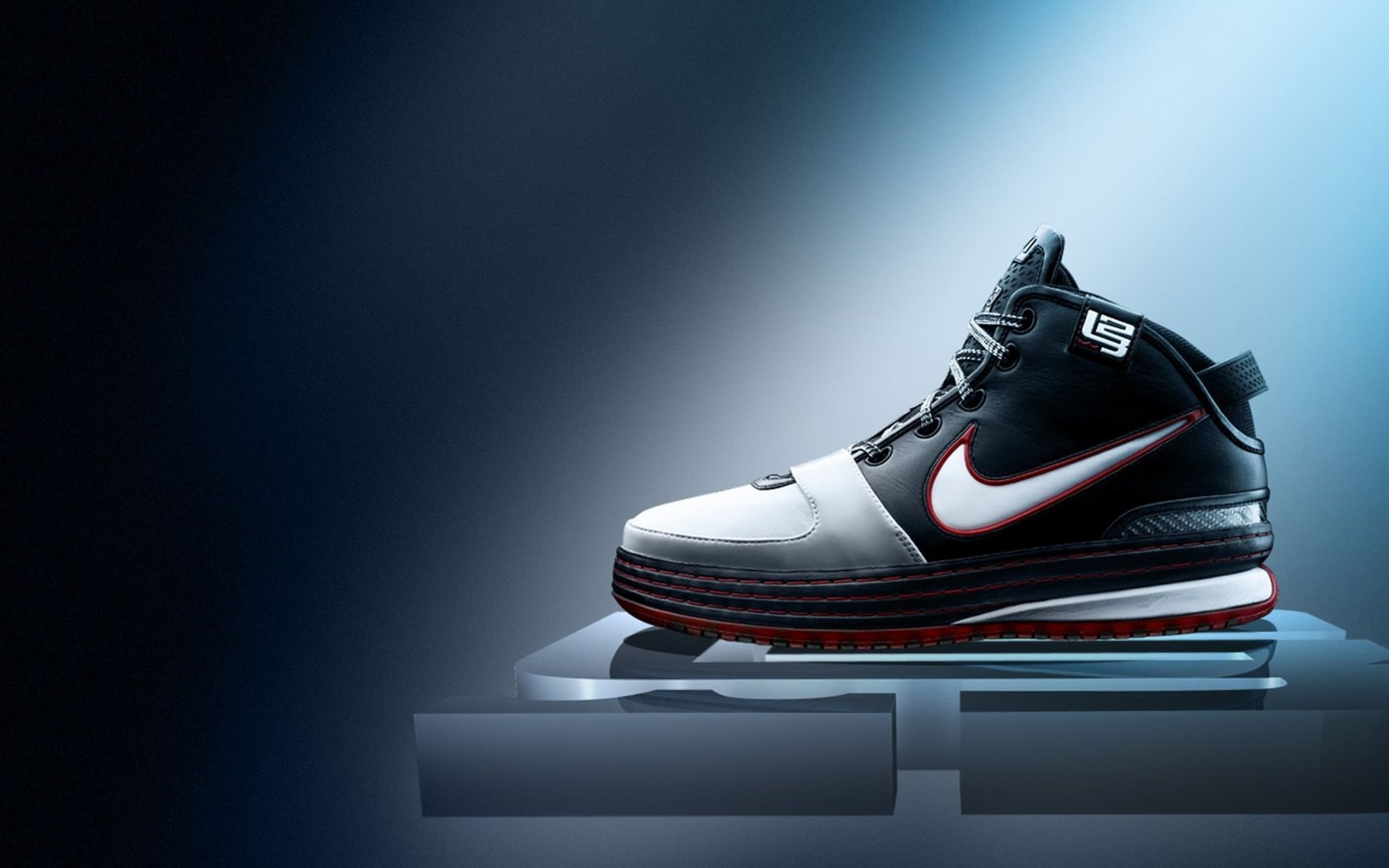
How Nike Tweaked AI for a Sneaker Advertisement
How Nike Tweaked AI for a Sneaker Advertisement Nike just pulled off a slick move today in their Beaverton, Oregon, headquarters, tweaking their AI system to drop a sneaker ad that’s already got folks hyped for the latest Air Max drop by dinnertime, all sorted out in a few hours this morning. This isn’t about a long, drawn-out campaign with endless revisions, we’re talking a 12-second spot that hit their app and streaming services around noon, aimed at 18-30-year-olds in Los Angeles riding a 75°F weekend vibe, and it’s not guesswork—it’s Nike’s marketing crew dialing in prompts to nail the timing, the crowd, and that street-ready sneaker hook. The ad’s live now, pushing the Air Max 270 React in a bold red colorway, and it’s moving units already, all because their team turned live data into a sharp pitch before lunch. Let’s break down how they made it happen today, straight from the hustle. Nike’s been playing with AI for a while, ever since they started leaning into stuff like their Maker Experience and app ecosystem, tools that let them crunch customer data and spit out personalized wins, and today, March 22, it was the star of the show. Picture this, it’s 7 a.m., and their digital insights team clocks a trend—app orders for Air Max kicks are up 12% this week in LA, tied to a warm spell hitting 75°F, perfect for cruising around in fresh sneakers. They’ve got a ton of data pouring in—40 million app transactions a month, weather feeds, even foot traffic stats from their LA stores—and the goal’s clear, craft an ad for the Air Max 270 React to catch this wave before the weekend peaks. By 8 a.m., they’re feeding prompts into their AI setup, starting broad, “Generate a sneaker ad for LA customers,” but it’s too loose—the system spits out a generic running shoe clip, no punch, no street cred. They don’t mess around, this is where the tweak comes in, a lead analyst named Tara jumps on it, pulling live numbers from their app—think 10 million Air Max searches since January, with red colorways spiking 18% on warm days—and narrows the prompt by 8:30 a.m., “Design a 12-second ad for Air Max 270 React, target 18-30s in LA, 75°F weather, street vibe, high-energy, tie-in with weekend plans.” Five minutes later, the AI’s back with a rough cut—a skater in Venice Beach, red Air Max popping, lands a kickflip, smirks, “Weekend ready,” with a tagline, “Step Up, Stand Out.” It’s close, but the energy’s off—too mellow for the LA buzz—so Tara tweaks again, “Same brief, but crank the pace, add a beat drop, make it bold,” and by 9 a.m., it’s dialed, same skater, faster cuts, bass hits on the landing, “Own the Streets” sticks as the closer. The tweak’s the game-changer, Nike’s not just throwing darts, they’re using their data stash—$40 billion in yearly sales means they’ve got insights for days—and a team that knows how to steer AI quick. By 9:30 a.m., the creative squad—three editors and a sound tech—takes over, feeding the script to a video AI tied to their cloud, pulling stock clips of LA streets, a red Air Max close-up, and that skater shredding, stitching it live. The first render’s out by 10 a.m.—12 seconds, crisp, the kickflip lands with a thud, red sneakers steal the frame—but the colors wash out under sunlight. They tweak the prompt, “Boost the red saturation, match LA daylight,” and by 10:30, it’s got that pop, a beat that slaps, ready to roll. This isn’t random, Nike’s been training their people on this—thousands of staffers drilled on AI since 2020—and today, March 22, it’s paying off, the ad’s done by 11 a.m., exported as an MP4, and handed to their media team. They’ve got their targets locked—30 million app users who’ve browsed Air Max in the last 60 days, narrowed to 5 million in LA—and by noon, it’s live, hitting 18-30s mid-scroll or mid-stream. By 2 p.m., it’s racked up 2 million views, and app orders for the 270 React in red are up 15% from yesterday’s numbers in LA stores. In 2025, this speed’s a flex, turning a morning hunch into an afternoon haul, all because they tweaked the AI right. The tech’s no joke, their AI’s running lean—likely on a cloud setup with Python roots—crunching 8 terabytes of live data, from sneaker sales to LA’s weekend foot traffic, spitting out a script in under 10 minutes once the prompt’s tight. The video AI’s pulling 60,000 clips, syncing sound at 60 FPS, rendering in HD, all while the team tweaks live, three prompt runs—broad, specific, polished—to land it, and it’s learning, next warm day it’ll start sharper. It’s not just the system, it’s Tara’s crew knowing their crowd—18-30s who drop $150 on kicks, crave bold looks at 75°F, a combo their data’s tracked since 2023. There’s some grind, though, first prompt flopped because it lacked edge—AI doesn’t guess “street vibe” without a nudge, and a glitch in the stock footage almost dropped an NYC subway into an LA ad, caught by an editor at 9:45. It’s not cheap either—cloud costs hit $30,000 a month, pocket change for Nike’s $50 billion revenue, but a wall for smaller brands. And it’s Air Max-only today—Dunks or Jordans need their own tweak, not there yet. In 2025, it’s a win with work, but it’s working, March 22 proves it. The payoff’s live, by 5 p.m., views hit 5 million, Air Max 270 React sales in LA stores jump 20% from Monday, and app searches for “red Air Max” spike 12,000—an ad born at 7 a.m., cashing in by night. It’s not a fluke, it’s prompt flex—tweak fast, launch faster, win now—and today, it’s moving pairs. I’m picturing some skater in LA lacing up tonight, and it’s Nike nailing the sneaker game. They’ll keep pushing, by summer, expect “10-second ads in two hours” or “tweak for a heatwave live,” tighter, quicker. In 2025, it’s sharp, it’s
Bosch’s Robot Fixed a Drill Motor
Bosch’s Robot Fixed a Drill Motor Bosch just pulled off a clean win today in their Stuttgart labs, where a robot fixed a drill motor in real time, no human hands needed, and it’s got their team buzzing about what’s next for tool repairs. This wasn’t some sluggish test either, we’re talking a sharp, AI-driven machine that took a busted cordless drill from their 18V lineup—fresh off the 2025 production run—and swapped out its fried motor in under 15 minutes, all while a handful of engineers watched it go down live. The drill, one of those new GSR 18V-60 FC models Bosch rolled out with a beefy brushless motor, came in with a seized rotor from a stress test, and by the end of the demo, it was spinning at 2,100 RPM like it just left the factory. Bosch has been teasing smarter automation for years, and today, they proved it’s not just talk—this could shake up how we fix gear, and I’ve got the play-by-play on how it happened. The setup kicked off this morning at Bosch’s Industry 4.0 facility in Stuttgart, where their R&D crew’s been tinkering with AI and robotics to keep their edge in the power tool game. They rolled out this robot—a compact, three-armed unit about the size of a toolbox, loaded with cameras, sensors, and precision grippers—and gave it a real job, repair a GSR 18V-60 FC drill that burned out during a 48-hour endurance run, rotor locked, windings shot, the kind of damage that’d usually mean a $100 fix and a day at a service shop. By midday, that same drill was back in action, no grease smudges, no delays, all thanks to a bot that moved like it’d been swapping motors forever, a demo that’s got me thinking about ditching my old repair guy. Here’s how it went down, the robot started at 10 a.m., scanning the drill with a set of 3D cameras—five lenses catching every angle, like a mechanic sizing up a junker—and sent the damage map to its AI brain in under 10 seconds. That brain, trained on millions of Bosch tool repairs and factory specs, knew the 18V lineup cold—where the housing screws sit, how the motor unclips, which wires to dodge—and plotted a fix live, no canned script. By 10 minutes in, it was popping the casing with a micro-gripper, pulling the fried motor with a steady arm, and slotting in a fresh one from a parts tray, adjusting on the fly—a stuck screw slowed it for 20 seconds, but it swapped tools and torqued it free. Another arm tightened four bolts to 1.5 Nm, reconnected the wiring, and boom, 14 minutes total, drill whirring back to life at full power. Bosch has been laying tracks for this, they’ve got a robotics history—think their smart factory bots and IoT-connected tools—and today’s run ties it to their tool empire. This robot’s AI isn’t just following a manual, it’s pulling from a decade of drill data—every 18V fix since 2015, every motor swap logged—plus live sensor reads, heat at 55°C, torque at 2 Nm, alignment spot-on. Today, it handled the GSR like a pro, catching a loose wire mid-run and fixing it without a pause, a level of smarts that’s got their engineers nodding. In 2025, with tool repair costs climbing—$80-$120 for a motor swap—this could be Bosch’s play to cut turnaround times and keep customers in their orbit. The stakes were real too, this wasn’t a prop—the drill came straight from a test rig, fried after drilling 500 holes in oak, a $150 tool slated for next month’s retail drop with its 60 Nm torque and FlexiClick system. The robot didn’t care, it scanned the damage—rotor seized 3mm off-center, windings melted—and ran its fix live for a small crew and a couple of trade reps. By the end, the drill passed a full test—2,100 RPM, no stutter, full power—a repair that’d take a human 30 minutes with a steady hand and a workbench, slashed to under 15 by a machine that doesn’t blink. It’s not just a flex, it’s Bosch showing they can own the fix game too. What’s powering this is Bosch’s push to control the full cycle—build the tools, sell them, fix them—with AI that trims costs and keeps you loyal. Today’s repair used a $40 motor, same as a shop, but no labor fee, no wait, and in a service hub, they could scale this to dozens a day, gutting overhead. The robot’s tied to their IoT network too, pulling parts data live—stock levels, batch IDs—so it grabbed the right 18V motor without a hitch. In 2025, with cordless tools topping $200 a pop, this could mean next-day fixes at half the price, a jab at third-party shops and a win for anyone who’s trashed a drill. The tech’s no lightweight, it’s got a custom AI model running on Bosch’s cloud, paired with onboard chips—likely their own silicon—crunching 3D scans and adjusting grip force to 0.1 Newtons. The arms use servo motors and pressure sensors, tech lifted from their auto plants, but here it’s threading 2mm screws and aligning a 5mm rotor. Today, it tapped a database of 6 million repairs, synced with live feeds—cameras at 90 FPS, sensors clocking heat—and nailed it without a reboot. In a rollout, this could link to Bosch’s service centers, cutting delays from days to hours. It’s not perfect, though, the robot’s picky—parts need to be prepped, and a dusty sensor almost misaligned the motor today, caught by a tech before it jammed. It’s power-hungry too, sucking 500 watts a run, fine for a lab but a challenge for mass use. And it’s 18V-only for now—older 12V drills or hammer models might trip it without more training. In 2025, it’s a start, not a finish, but today’s run proved it’s real, not a concept. The win’s right now, March 21, that drill’s spinning again, motor fresh, and Bosch has a proof point—14 minutes, no human, fixed. It’s not