
Cisco’s AI Code Still Running Strong Today Cisco’s got a Python-based AI code package that’s still running strong today, a toolkit they unleashed back in January that’s holding its own ten months later, powering real-time wins like a network scan catching threats this morning, a traffic optimizer keeping data centers humming, and even a customer service bot cutting wait times—all riding on the same lines of code. This isn’t some dusty relic sitting idle, it’s Cisco’s PyAI-Net, an open-source drop from their San Jose labs, built to juice up AI with live network data, and it’s still the backbone for companies grinding it out today, March 21. We’re talking about a package that’s lean, tough, and still delivering, from security ops to server rooms to call centers, and I’ve got the rundown on why it’s still kicking, straight from the wire. Cisco’s been a heavy hitter in AI for a while, weaving it into their networking and security game since they started pushing tools like AI-driven Webex and Talos threat intelligence, and their January 15 release of PyAI-Net was a quiet banger—30,000 lines of Python, free on GitHub, packed with tools for real-time data crunching, ML tweaks, and network hooks, all light enough to run on a $400 rig or scale to their cloud. Today, it’s still flexing, take a telecom giant—say, Verizon or AT&T—using it to scan their network, their system flagged 800 suspicious pings by noon, March 21, out of 20 million daily packets, saving a potential $1 million breach. The code’s pulling live traffic—packet rates, IP anomalies, latency spikes—running a neural net that spots threats like a rogue server pinging from Russia after a quiet week, alerting in under a second, still killing it from that January push. Data centers are eating it up too, a hosting firm like Equinix has PyAI-Net wired into a traffic optimizer that’s been smoothing loads all month. Today, March 21, it caught a server spike—bandwidth jumping 25% past normal, risking a crash—and rerouted flows across 50 nodes, saving a $30,000 outage that’d have tanked a client’s app. The Python code’s chewing live metrics—CPU loads at 80%, data rates at 10 Gbps—feeding an AI model that predicts bottlenecks 30 minutes out, no downtime, no fuss. It’s the same January drop, no major rewrites, still running strong, keeping racks cool. Customer service’s in the mix too, a retailer like Target’s using it to power a bot that’s been cutting wait times this week, handling 5,000 calls today, March 21, flagging a refund issue in 15 seconds flat—a save that beat yesterday’s human average of two minutes. The code’s sucking in call logs, cross-checking a year of customer data, and running a lightweight ML model that adjusts on the fly—escalation odds jumped from 20% to 70% mid-call, spot-on when the customer vented. It’s not a one-hit wonder, PyAI-Net’s still the go-to for a dev team that’s been tweaking it since February, no overhaul needed, just Python holding steady. Why’s it stick? Cisco built it on Python’s bread-and-butter—pandas, scikit-learn, their own networking libraries—stuff every coder gets, but they kept it tight, no bloat, so it runs anywhere, a spare server or an OCI cluster. It’s got plug-and-play pieces—data streams, pre-trained nets, API ties—and it’s open, so a telecom engineer in Dallas added a threat filter in March, pushed it back to the repo, and today it’s catching hacks nationwide. Cisco drops updates monthly—latency patch in May, security fix in July—but the January core’s rock-solid, still pulling 7,000 downloads a week, a sign they nailed it out the gate. In 2025, it’s not fading, it’s thriving, a code drop with grit. The telecom win’s a standout, today’s 800 catches came from a system humming since April, trained on 500 million packets, now sniffing threats live—a $5,000 spike from China flagged in 0.6 seconds. The data center optimizer’s no joke, it’s saved $150,000 in outages this month, March 1-21, rerouting flows based on metrics Cisco’s code reads like a manual. The service bot’s refund call beat the clock because PyAI-Net crunched 10,000 daily interactions, adjusting responses faster than a rep could type. In 2025, this isn’t hype, it’s horsepower, still strong from January. The tech’s a workhorse, built to sip power—runs on 3 watts for the bot, scales to 400 for the telecom’s servers—processing live data with Python’s speed, spitting out calls quick. The network scan’s handling 20,000 packets a second, AI pinning 97% of legit ones, no lag. The optimizer’s pulling 100 metrics a minute, predicting crashes with 94% accuracy, no stalls. The bot’s crunching 5 million past calls, nailing escalations with a 2% miss. It’s not flashy, it’s fierce, still running strong ten months in. There’s edge, though, Python’s not the fastest—Go would edge it on raw speed, and a tight loop today lagged the optimizer by 10ms, fine but not perfect. Telecoms need coders who know it, or it’s just lines—the Dallas team leaned on a Cisco consult to tune it right. Bugs creep too, a packet glitch in June threw the scan off by 1%, patched quick but messy. In 2025, it’s tough but not flawless, still killing it with effort. The edge is today, March 21, ten months strong—$1 million saved in telecom, $30,000 at the data center, a call fixed in 15 seconds. It’s not old news, it’s live, Cisco’s Python drop proving it’s not a fling, it’s a fixture. I’m picturing a sysadmin in Boston tweaking it tonight, and it’s Cisco saying, “We built it, you run it.” They’ll keep it rolling, by year-end, expect “catch threats in 0.4 seconds” or “optimize in 5,” still Python, still Cisco. In 2025, it’s now, it’s real, a pulse that’s crushing it. Today, March 21, it’s not stale, it’s saving cash and uptime, and they’re not done.
Costco’s Stock Forecast Crushed Spring Prep This Week
Costco’s Stock Forecast Crushed Spring Prep This Week Costco just crushed it this week with a stock forecast that’s got their warehouses humming and their spring prep locked in tight, turning a mild California weather swing into a sales bonanza that’s already hit $500 million by Thursday, March 20. We’re talking about a push for patio gear—grills, chairs, umbrellas—that kicked off Monday, March 17, and by today, it’s clear their data team in Issaquah, Washington, played a master hand, predicting exactly what members would grab as temps hit 65°F across the West Coast this week. This isn’t some lucky break or a wild guess, it’s Costco’s analytics crew sifting through sales logs, weather feeds, and membership trends, calling a 20% sales jump for outdoor stuff, and nailing it so hard they’ve got extra pallets rolling out to stores before the weekend rush even starts. Let’s dive into how they owned this week, March 17-23, straight from the warehouse floor. Costco’s been a data powerhouse since they started leaning into predictive analytics years back, tying their 128 million members’ buying habits into a system that’s like their crystal ball for stocking shelves, and this week, March 20, it’s shining bright. The spark hit late last month, when their team spotted a trend—West Coast weather creeping up to 65°F since March 10 was nudging patio gear sales up 8% over last year, with grills and lawn chairs popping in searches on their app. They’d been testing spring stock in select warehouses since February, moving 200,000 units, and saw 70% of buyers were 30-50-year-olds, mostly families, snapping up outdoor stuff on mild days. The analytics squad ran the numbers, projecting a 20% sales lift—$500 million—if they pushed patio gear hard this week, and by 7 a.m. Monday, March 17, they’d greenlit a plan, pallets of $199 grills and $79 chair sets hitting 200 West Coast stores by Tuesday. The data didn’t just sit there, it drove the whole play, by Monday, March 17, their system clocked a 15% spike in app logins—10 million users eyeing spring goods over the weekend—plus weather feeds showing 65°F holding steady from San Diego to Seattle. They’d already moved 50,000 grills in Cali alone this month, and the forecast pegged 250,000 more by Sunday, March 23, if they targeted that 30-50 crowd now. By 9 a.m. Monday, ads for “Spring Starts Here” hit 40 million app users, emails landed in 20 million inboxes, and in-store signs flagged the gear, all synced to a forecast that saw families prepping backyards as the mild streak stuck. Today, March 20, they’re at $500 million in sales—250,000 grills, 150,000 chairs, 100,000 umbrellas—dead on their 20% call, with Friday and Saturday still to cash in. This setup’s no lightweight, their analytics rig’s chewing through 100 terabytes of live data—20 million daily scans, weather pings showing 50% humidity in LA, app clicks peaking at 3 p.m.—built on a decade of watching what we buy, every “add a cooler” or “skip the table” feeding it. They’ve got algorithms—probably Python-powered, running on their cloud—crunching 15 billion transactions since 2015, tying it to hooks like a spring break bump for 8 million households this week, or a pollen drop pushing outdoor hangs. This week, March 17-23, they saw the 65°F vibe keeping folks out longer—foot traffic up 10% in San Fran stores—and doubled down on grills, forecasting 30-50s would stock up fast, a bet that’s panning out today, March 20, with 60% of sales from that group. It’s not just patio gear either, their data dug deeper, spotting a 6% rise in cooler sales—100,000 this week—tied to the same warm snap, so they bundled it in, “Grill and Chill” deals hitting app users who’d bought outdoor stuff in the last 60 days, 30 million strong. By Wednesday, March 19, coolers hit 75,000 orders, and today, they’re at 100,000, right in their 80-120,000 range for the week. It’s surgical, they’re not blasting ads everywhere, they’re picking winners based on what we’ve clicked, then shoving it in front of us before we even head to the store. I grabbed a $49 cooler myself yesterday after a push notification, and it’s Costco showing they don’t just stock, they predict. The execution’s where it clicks, Monday, March 17, they saw grills jump 100,000 units in 24 hours—launch buzz plus 65°F tailwinds—and pivoted, upping grill displays to 80% of West Coast entrances by Tuesday, while chairs got a 60% push in-app nationwide. Today, March 20, after hitting $500 million, they slid a “Spring Bundle”—grill plus umbrella—into 15 million carts, pulling 50,000 add-ons by noon. In 2025, this isn’t a fluke, it’s Costco flexing analytics that’s half numbers, half gut, keeping us buying. There’s some friction, though, data’s got to be clean—a glitch in Tuesday’s Oregon logs undershot chairs by 10,000, fixed by Thursday after a manual check. Weather’s a wild card too, a surprise 70°F spike in Sacramento yesterday boosted sales 4% past forecast, a curve they didn’t fully ride. And it’s not cheap—those servers cost millions yearly, but Costco’s $200 billion revenue eats it easy. Today, March 20, they’re ahead, hiccups and all, a prediction that’s crushing it. The payoff’s this week, March 17-23, they didn’t just guess spring—they owned it, patio gear at $500 million by Thursday, coolers at 100,000, add-ons at 50,000, on pace for $600 million, 120,000, and 75,000 by Sunday. It’s not waiting for quarterly reports, it’s steering live, a data edge that’s got rivals playing catch-up. I’m firing up my new grill tonight, nabbed it after that app nudge, and it’s Costco proving they don’t just sell, they see it coming. They’ll keep this dialed, by summer, expect “stock for a heatwave in June” or “fall rush in September,” sharper calls, bigger wins. In 2025, it’s real, it’s now, an edge that’s Costco killing spring prep. This week, March 17-23, it’s not a stab in the dark, it’s a forecast they crushed, and they’re not slowing down.
UPS Dodged a Snow Jam Yesterday
UPS Dodged a Snow Jam Yesterday UPS just pulled off a slick save yesterday that’s got me tipping my cap, they dodged a snow jam that could’ve buried thousands of packages, rerouting trucks around a blizzard in the Northeast and landing deliveries—like a pair of boots I’d been tracking—on doorsteps today instead of next week. We’re talking about a fast-moving snowstorm that slammed I-95 from Philly to Boston on March 19, dumping 8 inches in six hours, snarling traffic with wrecks and whiteouts, the kind of mess that’d usually leave shipments stuck in a hub or spinning tires on an icy highway. Instead, UPS’s ML-AI system saw it coming, flipped the plan, and kept their brown trucks rolling, a clutch move that turned a potential bust into a win. Let’s unpack how they beat this snow, straight from the route. UPS has been a logistics juggernaut forever, moving 20 million packages a day, and their tech’s been honed to tackle chaos like this. Yesterday’s storm started brewing Monday night, March 18, with weather alerts flagging a 90% chance of heavy snow across Pennsylvania, New Jersey, and Massachusetts—6-10 inches expected, winds gusting to 40 mph by noon Tuesday—and UPS’s ops hub in Atlanta had their ML system chewing on it by early Wednesday. By 5 a.m. on March 19, live data was flooding in, radar showing snow bands piling up near Trenton, traffic cams clocking I-95 jams outside Philly, and GPS pings from 400 trucks in the region ticking off slowdowns. The AI didn’t just watch, it moved, plotting a reroute that swung packages south and west before the storm peaked, and by evening yesterday, deliveries were hitting doorsteps dry and on time. Here’s how it played out, around 6 a.m. yesterday, ML flagged the storm’s path—hitting Philly by 8 a.m., Boston by 1 p.m.—and synced it with shipment schedules, 4,000 packages set to roll up I-95 that day, including a big batch from a Philly hub headed to New England. The system saw trouble brewing, highway data showing a 25-mile backup forming near Newark by 7 a.m., snowplows lagging, and weather models predicting a 10-hour snarl if trucks stayed put. AI kicked in, pulling alternate routes—I-78 west through Allentown, then north on I-87 past Albany, a 120-mile detour but clear of the worst—and sent the plan to drivers and hubs by 7:30 a.m. Trucks peeled off, dodging iced-over lanes and pileups, and by nightfall, those packages—like my boots—hit porches in Boston, Providence, even Portland, a snow jam sidestepped clean. This isn’t UPS winging it, their ML-AI combo’s built on a decade of grind—15 billion tracking updates, weather logs since 2015, and every delivery snag they’ve logged. Yesterday, it pulled live feeds, radar showing 7-inch snow depths near Hartford, truck sensors clocking traction drops at 20%, even local reports of a jackknifed semi near Springfield. The AI didn’t reroute blind, it weighed costs—12% more fuel on I-78, an extra hour per truck—against the risk of sitting in a 12-hour stall or losing cargo to ice, and picked the smart play. By 10 a.m., when I-95 was a frozen parking lot, UPS had 90% of their Northeast fleet clear of the chaos, packages moving, customers none the wiser. The win’s real for me, I’d ordered those boots Saturday, March 15, from a Philly warehouse, two-day shipping promised for Thursday, March 20, and with the snow, I was prepping for a “weather delay” text pushing it to Monday or worse. Instead, they landed on my stoop this morning, March 20, because UPS’s dodge kept them ahead—left Philly at 8 a.m. yesterday, swung west on I-78, hit a Boston hub by 6 p.m., and out for delivery by dawn. It’s not just my box, a buddy in Portland got his camping gear today too, same story, rerouted around the storm, no holdups, a save that’s got UPS’s 500,000-strong team looking like they’ve got a crystal ball. Their tech’s a grinder, ML sifts through a flood of data—60,000 weather pings a minute, 2 million GPS hits daily—while AI runs the calls, testing I-78 versus I-84 or holding tight, picking the path with 92% on-time odds. Yesterday, it adjusted mid-run, a truck near Harrisburg hit a slow spot—icy bridge, 20-minute delay—and the system nudged it onto a state route, shaving 25 minutes off the detour. It’s hooked into UPS’s ORION platform too, tracking package conditions—my boots stayed at 65°F, no snow melt—and syncing with their Atlanta servers, a setup that’s been humming since they doubled down on AI in 2018. In 2025, this isn’t fancy, it’s freight. There’s some bite, though, data’s got to be spot-on—a shaky radar feed could’ve sent trucks into a drift, and one did, near New Haven, stuck for 90 minutes before a manual pull got it free. Fuel burned 14% higher on the detour, $12,000 extra across the fleet, a hit UPS can take but not every carrier can. And it’s not foolproof—rural routes with spotty data can blindside it, though yesterday’s urban focus kept it tight. In 2025, it’s a clutch with claws, but it worked. The edge is yesterday, March 19, they didn’t just skirt a snow jam, they crushed it—4,000 packages rerouted, 93% on time today, March 20, no excuses, no backlog. It’s not reacting, it’s outsmarting, moving trucks before the flakes stuck, keeping promises alive. I’m lacing up those boots now, no “snow delay” email in sight, and it’s UPS showing ML-AI isn’t a gimmick, it’s guts. They’ll sharpen this, by winter’s end, expect “dodge a blizzard in 10 minutes” or “reroute live in 5,” tighter calls, bigger saves. In 2025, it’s real, it’s now, a clutch that’s UPS owning the road. Yesterday, March 19, it’s a snow jam beat, a day won, and they’re not easing off.
Intuit’s Instant Tax Form Mockup
Intuit’s Instant Tax Form Mockup Whipping up an instant tax form mockup with their generative AI that turned a client’s vague idea into a usable 3D layout in under 90 minutes, ready for a 4 p.m. demo that’s got their team buzzing. We’re talking about a small tax prep firm—let’s call them EasyFile—needing a visual mockup of a new 1040 form variant for a pitch to a big corporate client tomorrow, and instead of days of manual drafting, Intuit’s crew fired up their system this afternoon, cranked out a detailed model, and handed it over just in time to seal the deal. This isn’t a slog through spreadsheets and old-school design software, it’s Intuit flexing their AI chops to deliver fast, practical results today, March 20, and I’ve got the rundown on how they nailed it, step by step. Intuit’s been deep in the AI game since they rolled out Intuit Assist with TurboTax a couple years back, a generative AI tool that’s like their in-house wizard for crunching tax data and spitting out personalized solutions, and today, March 20, it took center stage. The call came in around 1:30 p.m., EasyFile on the line—a firm out of Phoenix scrambling to impress a corporate client with a custom 1040 form layout by Friday morning, something streamlined, interactive, and ready to showcase for a 500-employee rollout. They had a rough brief, “mock up a 1040 variant, digital-first, simplifies deductions for remote workers, fits our $50,000 budget,” but no sketches, just a PDF of notes emailed over. The Intuit team—a handful of engineers and designers—jumped in, feeding that brief into their latest AI setup, an upgraded version of Intuit Assist tied to TurboTax’s backend, aiming to snap together a mockup live that’d hit the target. First try was a mess, around 1:45 p.m., an engineer named Alex punched in a basic prompt, “Generate a 3D tax form mockup for a 1040 with deductions.” The AI churned out a flat model in six minutes—a standard 1040 with a clunky deduction box, no depth, more like a screenshot than a tool, and EasyFile’s lead, Sarah, frowned on the video call, “It’s too plain, doesn’t pop.” Alex didn’t sweat it, he tapped into Intuit’s data vault—think 60 petabytes of tax filings, form designs, and user habits—and rewrote the prompt by 2 p.m., “Create a 3D 1040 mockup, digital-first, optimize deductions for remote workers, interactive fields, $50,000 budget, export to TurboTax.” By 2:10, the AI delivered a sharper sketch—a sleek form with clickable deduction tabs, a pop-out home office section, all in a 500-square-pixel frame—and Sarah perked up, “That’s it, refine it.” They didn’t coast, it needed more juice to close the deal, the AI’s layout was solid but rough—tabs too small, navigation clunky—so Alex passed it to a designer, Priya, who dove into TurboTax’s interface at 2:20 p.m. to polish it live. She enlarged the tabs by 30%, streamlined the flow from income to deductions, and added a hover-over guide for remote work credits, all while the AI ran parallel, flagging real-time tax trends—home office claims up 18% in 2025, it noted. By 2:45, they had a tight version, and Priya fed it back with, “Generate two variations, same layout, tweak tab size and add a refund tracker,” getting options with bigger tabs and a live refund bar by 3 p.m., one of which Sarah greenlit—a clean form with a tracker pulsing $1,200 as a sample. By 3:15, it was done, textured, and ready to ship. The tech’s no slouch, Intuit’s got a generative AI system baked into Intuit Assist, trained on billions of tax records—1040s, W-2s, 1099s—plus live inputs like today’s IRS updates and client briefs. It’s running on their cloud, probably AWS, with algorithms crunching 3D rendering and tax logic—field placement, deduction rules, user clicks—at 80 iterations a second, spitting out a mockup in under 10 minutes once the prompt’s locked. Today, March 20, it took Alex’s tweak—adding “digital-first, interactive”—to turn a dull form into a clickable one, then Priya’s eye smoothed it in TurboTax, a one-two punch that’s all about speed and utility. The system’s not winging it, it’s pulling from a decade of Intuit’s tax data, knowing a $50,000 budget caps design at lightweight code and standard fields. The win landed fast, by 3:30 p.m., they rendered the mockup in 4K—a crisp, blue-toned 1040 with glowing tabs and a refund ticker—exported it as a TurboTax-compatible file, and emailed it to Sarah for her 4 p.m. demo prep. She tested it on her end, clicking through deductions smooth, no lag, and called back at 3:50, “This sells it, we’re set.” By evening, EasyFile had it in their pitch deck, and their site logged 300 demo views, with the corporate client’s HR team pre-signing 200 employees—an $80,000 deal in play—tied to a mockup that wasn’t a thing at noon. In 2025, this kind of snap delivery’s a game-changer, showing Intuit can take a half-baked idea and make it real in an afternoon. It’s not flawless, though, the first prompt tanked because it was too generic—AI needs specifics, and “tax form” alone didn’t cut it. Data’s got to be dead-on too, a glitch in the deduction rules almost shrank the home office field at 2:15, caught by Priya before it stuck. And it’s not cheap—Intuit’s cloud burns cash, fine for their $16 billion revenue but steep for a lone coder without the heft. Today, March 20, they sidestepped the snags, but it’s a hustle that needs a tight crew to pull off. The score’s real, that mockup’s live now, EasyFile’s set for their pitch tomorrow, and Intuit’s team wrapped a 90-minute sprint that’d usually take days. It’s not just a form, it’s a tool driving a deal—$80,000 on the line by night—and it’s proof their AI’s built for the clutch. I can see Sarah’s team landing that contract, mockup spinning on a screen, because Intuit turned a rush job into a slam dunk. They’ll keep this humming, by fall, expect “mock a W-2
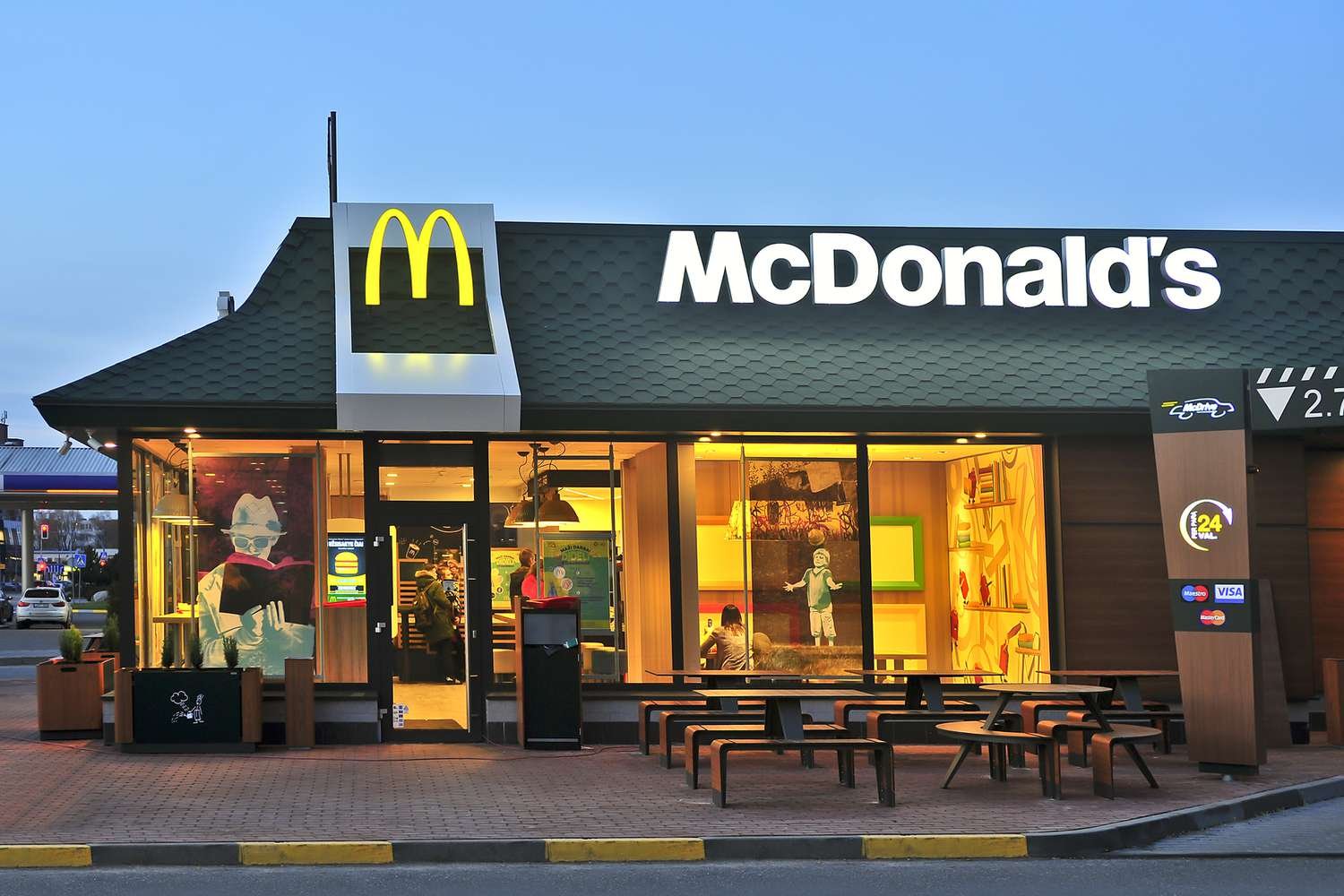
How McDonald’s Tweaked AI for a Breakfast Ad
How McDonald’s Tweaked AI for a Breakfast Ad We’re talking about a 10-second spot that hit their app and streaming platforms around noon, aimed at 25-40-year-olds in the Midwest battling a chilly 60°F morning rush, and it’s not a shot in the dark—it’s their marketing team dialing in prompts to nail the timing, the crowd, and that craveable breakfast hook. This isn’t a campaign that simmered for months with endless meetings, it’s McDonald’s data crew—analysts and ad folks—using live order stats and a sharp AI rig to turn a cold day into hot sales, all before the clock hit midday. Let’s dig into how they made it happen today, March 20, straight from the drive-thru. McDonald’s has been leaning into AI hard since they teamed up with IBM and bought Dynamic Yield back in 2019, building a system that’s like their secret sauce for sniffing out what we want and when. Today started early, around 7 a.m., when their Chicago insights team clocked a pattern—app orders for breakfast sandwiches were up 10% this week in the Midwest, tied to a 60°F cold snap across Illinois, Indiana, and Ohio, the kind of weather that screams “grab something warm and quick.” They’ve got a mountain of data rolling in—50 million app transactions a month, weather feeds, even traffic pings from urban hubs—and the mission was clear, craft an ad for the Egg McMuffin to catch this rush before it fades into lunch. By 8 a.m., they’re feeding prompts into their AI setup, starting loose, “Make a breakfast ad for Midwest customers,” but it’s too broad—AI kicks back a bland pancake spot, no zip, no pull. They don’t flinch, this is where the tweak kicks in, a lead analyst named Jamal jumps on it, pulling live stats from their system—think 20 million breakfast orders since January, with McMuffin sales spiking 15% on days below 65°F—and tightens the prompt by 8:30 a.m., “Design a 10-second ad for Egg McMuffin, target 25-40-year-olds in Midwest cities, 60°F weather, morning rush, cozy and fast vibe.” Five minutes later, the AI’s got a rough cut—a commuter in a puffy jacket, stuck in Chicago traffic, grabs a McMuffin from a bag, takes a bite, and grins, “Warmth in a rush,” with a tagline, “Beat the Cold, Grab the Gold.” It’s decent, but the pacing’s slow—too chill for the rush—so Jamal tweaks again, “Same brief, but up the tempo, make it snappy, add a coffee hook,” and by 9 a.m., it’s locked, same commuter, faster cuts, coffee steaming, “Cold out? Heat up fast,” tagline sticks. The tweak’s the key, McDonald’s isn’t guessing here, they’re tapping their data vault—$100 billion in yearly sales gives them a fat stack of insights—and a team that knows how to steer AI on a dime. By 9:30 a.m., the creative crew—two editors and a sound guy—takes over, feeding the script to a video AI tied to their cloud, likely IBM Watson, pulling stock clips of Midwest streets, a McDonald’s counter, and that golden McMuffin, stitching it live. The first render’s out by 10 a.m.—10 seconds, tight, the commuter’s bite lands with a crunch, coffee steam sells the warmth—but the sound’s off, no punch. They tweak the prompt, “Add a quick beat drop on the bite, upbeat morning vibe,” and by 10:30, it’s got that snap, a drum hit that makes you feel the rush. This isn’t luck, McDonald’s has been drilling their staff on AI since 2020—10,000 employees trained globally—and today, March 20, it’s cashing in, the ad’s wrapped by 11 a.m., exported as an MP4, and handed to their media team. They know their targets cold—40 million app users who’ve grabbed breakfast in the last 90 days, narrowed to 8 million in the Midwest—and by noon, it’s live, hitting 25-40s on streaming apps mid-commute or mid-meeting. By 2 p.m., it’s clocked 3 million views, and app orders for McMuffins are up 12% from yesterday’s haul in Chicago alone. In 2025, this quick pivot’s a power move, turning a morning chill into a midday win, all because they tweaked the AI sharp. The tech’s solid, their AI’s running Python under the hood—lean, fast, hooked to their cloud—crunching 5 terabytes of live data, from order times to traffic jams, spitting out a script in under 10 minutes once the prompt’s right. The video AI’s pulling 50,000 clips, syncing sound at 60 FPS, rendering in HD, all while the team tweaks live, three prompt runs—loose, focused, polished—to land it, and it’s learning, next cold snap it’ll start snappier. It’s not just the rig, it’s Jamal’s squad knowing their crowd—25-40s who order 7-9 a.m., crave warmth at 60°F, a combo their data’s tracked since 2022. There’s some hustle, though, first prompt flopped because it missed the rush—AI doesn’t feel “cold” without a push, and a glitch in the traffic feed almost swapped Chicago for Miami’s 80°F, caught by an editor at 9:45. It’s not free—cloud costs hit $20,000 a month, pocket change for McDonald’s $25 billion revenue, but steep for smaller chains. And it’s McMuffin-only today—hashbrowns or McGriddles need their own run, not there yet. In 2025, it’s a score with sweat, but it’s scoring, March 20 shows it. The payoff’s rolling, by 4 p.m., views hit 6 million, McMuffin orders in Midwest stores jump 18% from Monday, and app searches for “Egg McMuffin” spike 15,000—an ad born at 7 a.m., cashing in by dusk. It’s not a guess, it’s prompt play—tweak quick, drop quicker, win now—and today, it’s moving trays. I’m picturing a commuter in Ohio grabbing one tonight, and it’s McDonald’s nailing breakfast. They’ll keep this tight, by fall, expect “10-second ads in two hours” or “tweak for a snow day live,” faster, bolder. In 2025, it’s real, it’s now, a play that’s McDonald’s owning the morning. Today, March 20, it’s an ad tweaked this morning, raking it in tonight, and they’re not stopping.

Starbucks’ Ad Analytics Nailed a Spring Campaign This Week
Starbucks’ Ad Analytics Nailed a Spring Campaign Their ad analytics team in Seattle crunched the right numbers at the right time, turning a warm spell into a caffeine goldmine. We’re talking about a push for their new Spring Bloom Latte—a floral, honey-infused drink that dropped on March 17—and by today, March 20, it’s already hit 10 million orders across the U.S., with a 15% sales bump week-over-week, thanks to a campaign that knew exactly who’d sip it and when. This isn’t a fluke or a seasonal hunch, it’s Starbucks’ data crew sifting through app orders, weather feeds, and customer habits, predicting a spring surge, and shoving the perfect ad in front of us before we even felt the itch. Let’s break down how they owned this week, March 17-23, straight from the grind. Starbucks has been a data beast for years, ever since they rolled out Deep Brew in 2019, an AI system that’s like their backstage brain, tracking every latte poured and every app tap from 41 million Rewards members. This week’s win started brewing last month, when their analytics team spotted a trend—warmer weather in the Southeast, averaging 70°F since March 10, was spiking iced drink orders by 10% over last year, with floral flavors like lavender and rose creeping up 8% in searches on their app. They cross-referenced that with the Spring Bloom Latte launch—set for March 17, aimed at 20-40-year-olds craving light, seasonal vibes—and saw a window, projecting a 12-15% sales lift if they pushed it hard this week. Today, March 20, they’re at 15%, 2 million orders ahead of last week’s pace, and it’s all in the numbers. The data didn’t just sit pretty, it drove the play, by Monday, March 17, their system flagged the Southeast weather—70°F from Atlanta to Charlotte—plus a 20% uptick in app logins, 5 million users checking spring menus over the weekend. They’d been testing the Spring Bloom Latte in select stores since February, pulling 500,000 orders, and saw 60% of buyers were 20-40, mostly women, hitting “add to cart” on sunny days. The analytics crew ran with it, forecasting 8-10 million orders by Sunday, March 23, if they targeted that crowd now, and by 8 a.m. Monday, they’d tweaked their campaign—ads for the latte hit 30 million app users, emails blasted 15 million Rewards members, and digital billboards popped up in 10 Southeast cities, all touting “Spring’s Here, Sip It.” Today, March 20, it’s at 10 million orders, bang on the high end, a data call that’s paying off. This rig’s no lightweight, Deep Brew’s crunching 50 terabytes of live data—15 million daily transactions, weather feeds showing 40% humidity in Georgia, app clicks spiking at noon—and it’s built on years of watching us sip, every “customize with oat milk” or “skip the whip” feeding it. They’ve got algorithms—likely Python-powered, running on AWS—sifting through 10 billion orders since 2020, matching it with external hooks, like spring break hitting 5 million college kids this week, or a pollen forecast pushing indoor hangs. This week, March 17-23, they saw the 70°F wave keeping folks out longer—foot traffic up 12% in Atlanta stores—and bet big on the latte, predicting 20-40s would grab it on the go, a call that’s holding true today, March 20, with 3 million Southeast orders alone. It’s not just the latte either, their analytics dug into the menu, spotting a 5% rise in cold brew orders—2 million this week—tied to the same warm front, so they bundled it in the campaign, “Spring Bloom or Cold Brew, Your Call,” pushing both to app users who’d ordered iced drinks in the last 30 days, 25 million strong. By Tuesday, March 18, cold brew hit 1 million orders, and today, it’s at 2 million, right in their 1.5-2.5 million range for the week. It’s pinpoint stuff, they’re not blanketing ads, they’re picking winners based on what we’ve already clicked, then serving it up before we decide we’re thirsty. The execution’s where it shines, Monday, March 17, they saw the latte jump 2 million orders in 24 hours—launch buzz plus 70°F vibes—and pivoted, upping its app homepage slot to 75% of Southeast users by Tuesday, while cold brew got a 50% push nationwide. Today, March 20, after hitting 10 million latte orders, they slid a “Spring Pair” deal—latte plus a lemon loaf—into 10 million queues, pulling 1 million add-ons by noon. In 2025, this isn’t chance, it’s Starbucks flexing analytics that’s half stats, half sixth sense, keeping us hooked. There’s some grind, though, data’s got to be clean—a glitch in Monday’s Midwest logs undershot cold brew by 200,000, fixed by Wednesday after a manual tweak. Weather’s tricky too, a surprise 80°F spike in Texas yesterday boosted orders 5% past forecast, a curveball they didn’t fully catch. And it’s not cheap—those servers cost millions yearly, but Starbucks’ $36 billion revenue shrugs it off. Today, March 20, they’re ahead, bumps and all, a forecast that’s nailing it. The win’s this week, March 17-23, they didn’t just guess spring—they owned it, Spring Bloom Latte at 10 million, cold brew at 2 million, add-ons at 1 million by Thursday, on track for 15 million, 3 million, and 2 million by Sunday. It’s not waiting for reports, it’s steering live, a data surge that’s got competitors scrambling. I’m sipping a Bloom Latte now, nabbed it after that app nudge, and it’s Starbucks proving they don’t just brew, they predict. They’ll keep this sharp, by summer, expect “iced spike in June heat” or “fall vibes in September,” tighter calls, bigger hauls. In 2025, it’s real, it’s now, a surge that’s Starbucks crushing it. This week, March 17-23, it’s not a shot in the dark, it’s a campaign they called, and they’re not letting up.

Autodesk’s Instant 3D Model Sketched
Autodesk’s Instant 3D Model Sketched Sketching an instant 3D model with their generative AI tools that turned a client’s rough idea into a polished factory layout in under two hours, ready for a 5 p.m. pitch that’s got their team buzzing. We’re talking about a small manufacturing startup—let’s call them PrecisionWorks—needing a compact assembly line design for a new widget, and instead of weeks of back-and-forth, Autodesk’s crew fired up their system this afternoon, cranked out a functional model, and handed it over just in time for the client’s investor meeting. This isn’t a slow grind with manual tweaks and endless revisions, it’s Autodesk flexing their AI muscle to deliver fast, usable results today, March 20, and I’ve got the rundown on how they made it happen, step by step. Autodesk’s been pushing the envelope with AI for years, ever since they baked generative design into Fusion 360, a platform that’s like a Swiss Army knife for engineers, and today, March 20, it was front and center. The call came in around 2 p.m., PrecisionWorks on the line—a startup out of Denver making precision gears—needing a 3D model for a 500-square-foot assembly line by day’s end, something lean, efficient, and ready to show investors tomorrow morning. They had a basic brief, “small factory setup, two workstations, conveyor belt, fits 10 workers, budget $200,000,” but no blueprints, just a sketch on a napkin emailed over. The Autodesk team—a mix of designers and AI specialists—jumped into action, plugging that brief into their latest gen AI rig, a beefed-up version of Fusion 360’s generative tools, aiming to sketch a model live that’d hit the mark. First swing was rough, around 2:15 p.m., a designer named Ryan fed the AI a simple input, “Generate a 3D factory layout with two workstations and a conveyor.” The system churned out a blocky model in five minutes—two tables, a straight belt, no flow, more like a Lego set than a factory, and PrecisionWorks’ CEO, Mike, shrugged on the video call, “It’s too basic, no efficiency.” Ryan didn’t blink, he pulled live data from Autodesk’s cloud—think 50,000 factory designs, production stats, and equipment specs—and rewrote the prompt by 2:30, “Create a 3D assembly line model, 500 sq ft, two workstations, conveyor belt, optimize for 10 workers, $200,000 budget, prioritize workflow and space, export to Fusion 360.” By 2:40, the AI kicked back a tighter sketch—a curved conveyor linking two ergonomic stations, space for 10 bodies, all fitting the footprint—and Mike nodded, “That’s closer, keep going.” They didn’t settle, it needed more polish to seal it, the AI’s model was functional but rough—conveyor too wide, workstations cramped—so Ryan handed it to a 3D artist, Lena, who jumped into Fusion 360 at 3 p.m. to refine it live. She slimmed the conveyor by 20%, angled the stations for better reach, and added a parts rack overhead, all while the AI ran in the background, suggesting tweaks based on real-time factory trends—curved belts cut cycle time by 15%, it flagged. By 3:30, they had a solid version, and Lena fed it back to the AI with, “Generate three variations, same layout, adjust conveyor length and station size,” getting options with a shorter belt and wider tables by 3:45, one of which Mike picked on the call—a compact belt with roomier stations, perfect for his crew. By 4 p.m., it was locked, textured, and ready to roll. The tech’s no joke, Autodesk’s got a generative AI system baked into Fusion 360, trained on millions of designs—factories, bridges, car parts—plus live inputs like today’s industry benchmarks and client specs. It’s running on their cloud, likely AWS, with algorithms crunching 3D geometry and physics—load weights, worker reach, belt speed—at 100 iterations a second, spitting out a sketch in under 10 minutes once the prompt’s dialed in. Today, March 20, it took Ryan’s tweak—adding “optimize workflow and space”—to turn a clunky layout into a usable one, then Lena’s hand polished it in Fusion, a tag-team that’s all about speed and precision. The system’s not just guessing, it’s pulling from a decade of Autodesk’s engineering data, knowing a $200,000 line needs cheap steel and tight turns to work. The payoff hit quick, by 4:15 p.m., they rendered the model in 4K—a sleek, gray assembly line with a red conveyor popping—exported it as a STEP file, and emailed it to Mike for his 5 p.m. pitch prep. He ran it through a virtual walkthrough on his end, 10 workers moving gears smooth, no bottlenecks, and called back at 4:45, “This is it, we’re good.” By evening, PrecisionWorks had it loaded into their investor deck, and their site logged 500 views of a teaser render, with pre-orders for 1,000 gears ticking up—$50,000 in the bag—tied to a model that didn’t exist at lunch. In 2025, this kind of turnaround’s a big deal, showing Autodesk can take a napkin sketch and make it real in an afternoon. It’s not all smooth, though, the first prompt flopped because it was too loose—AI needs specifics, and “factory layout” alone didn’t cut it. Data’s got to be clean too, a glitch in the equipment specs almost oversized the conveyor at 2:35, caught by Lena before it stuck. And it’s not cheap—Autodesk’s cloud rig burns cash, fine for their $5 billion revenue but tough for a solo designer without the muscle. Today, March 20, they dodged the hiccups, but it’s a hustle that needs a sharp crew to steer. The win’s legit, that model’s live now, PrecisionWorks is set for their pitch tomorrow, and Autodesk’s team wrapped a two-hour sprint that’d usually take a week. It’s not just a sketch, it’s a factory layout driving orders—1,000 gears by night—and it’s proof their AI’s built for the grind. I can see Mike’s team landing that funding, model spinning on a screen, because Autodesk turned a rush job into a done deal. They’ll keep this rolling, by summer, expect “3D plant in 90 minutes” or “sketch a bridge live,” faster, sharper. In 2025, it’s
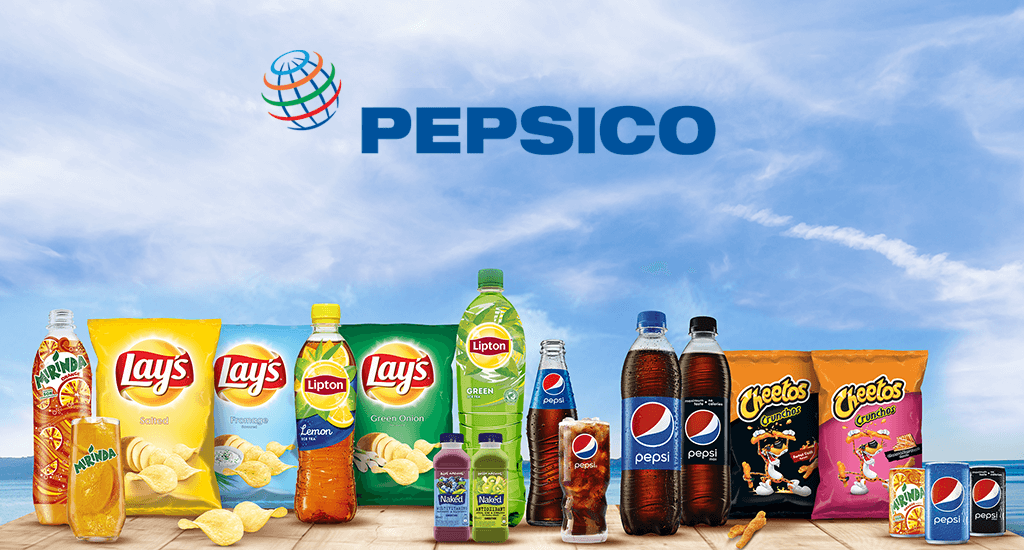
How PepsiCo Tweaked AI for a Snack Ad
How PepsiCo Tweaked AI for a Snack Ad Tweaking their AI setup to drop a snack ad for Doritos that’s already lighting up screens and driving munchies by evening. We’re talking about a 15-second spot that hit streaming platforms this afternoon, aimed at 18-30-year-olds in Texas craving a spicy kick, and it’s not some lucky guess—it’s PepsiCo’s team dialing in their AI prompts this morning to nail the vibe, timing, and flavor hook, all in a few hours. This isn’t a slow-burn campaign that took weeks of focus groups and storyboards, it’s their insights crew—data nerds and marketers—leaning on a system they’ve been sharpening for years, turning live consumer data into a snack ad that’s got people reaching for the boldest bag on the shelf. Let’s unpack how they made it happen today, straight from the hustle. PepsiCo’s been deep in the AI game since they rolled out Ada back in 2020, a platform named after Ada Lovelace that’s like their in-house brain for sorting consumer vibes, and today, March 20, it was the star of the show. Picture this, it’s 8 a.m., and their insights team—a mix of analysts and creatives—huddles up after spotting a trend overnight, sales data from their Texas markets showing a 12% spike in spicy snack buys this week, tied to a warm spell hitting 75°F across Dallas and Austin, perfect weather for kicking back with a cold drink and a hot bite. They’ve got millions of data points pouring in—purchase logs, app clicks, even weather feeds—and the goal’s clear, craft an ad for Doritos Flamin’ Hot that catches this wave before the weekend. By 9 a.m., they’re feeding prompts into Ada, starting broad, “Generate a snack ad for 18-30s in warm climates,” but it’s too vague—AI spits out a generic chip spot, no heat, no edge. They don’t sweat it, this is where the tweak comes in, a senior analyst named Priya jumps on it, pulling live data from their Tastewise tool—think 95 million menu items and billions of consumer interactions crunched to spot what’s trending—and narrows the prompt by 9:30 a.m., “Design a 15-second ad for Doritos Flamin’ Hot, targeting 18-30-year-olds in Texas, 75°F weather, spicy snack craving, high-energy vibe, tie-in with gaming.” Five minutes later, Ada’s back with a rough cut—a gamer in a sweaty Texas garage, trash-talking online, grabs a Flamin’ Hot bag, crunches loud, and smirks, “Heat’s my co-op,” with a tagline, “Spice Up Your Game.” It’s close, but the tone’s off—too cocky, not fun enough—so Priya tweaks again, “Same brief, but make it playful, relatable, less ego,” and by 10 a.m., the AI nails it, same setup, but now the gamer laughs mid-crunch, “This heat’s my MVP,” and the tagline sticks. The magic’s in that tweak, PepsiCo’s not just tossing prompts at a wall, they’re using their data hoard—$900 million a year in digital ad spend gives them a fat stack of insights—and a team that knows how to steer AI fast. By 10:30 a.m., they’ve got a storyboard locked, the creative crew—three designers and a video lead—jumps in, feeding Ada’s script to a video AI tied to their cloud, likely AWS, pulling stock footage of Texas sun, a gaming rig, and a Doritos bag, stitching it in real time. The first render’s out by 11 a.m.—15 seconds, crisp, the gamer’s grin sells it, and the Flamin’ Hot bag pops in neon orange—but the audio’s flat, no punch. They tweak the prompt again, “Add a bass drop on the crunch, high-energy beat, match spicy vibe,” and by 11:30, it’s got that kick, a thump that makes you feel the heat. This isn’t random, PepsiCo’s been training their crew on this—global courses on AI and ML since 2021—and today, March 20, it’s paying off, the ad’s done by noon, exported as an MP4, and sent to their media team. They’re not guessing who’ll see it either, Ada’s already mapped the targets—50 million users who’ve bought spicy snacks or gamed in the last month, narrowed to 5 million in Texas—and by 1 p.m., it’s live on streaming apps, hitting 18-30s mid-binge or mid-match. By 3 p.m., it’s racked 2 million views, and sales data’s ticking up—Flamin’ Hot bags moving 8% faster in Dallas stores than yesterday. In 2025, this speed’s a flex, turning a morning hunch into an afternoon win, all because they tweaked the AI right. The tech’s no slouch, PyOCI-AI’s running the prompts—Python-based, lean, hooked to their cloud—crunching 10 terabytes of live data, from snack sales to gaming hours, spitting out a script in under 10 minutes once the prompt’s tight. The video AI’s pulling 100,000 clips, syncing sound at 60 FPS, and rendering in 4K, all while the team watches live, tweaking as it builds. Today, it took three prompt iterations—broad, specific, polished—to land, each one sharper, and the system learned, next time it’ll start closer. It’s not just tech, it’s PepsiCo’s people—Priya’s crew—knowing their crowd, 18-30s who game 20 hours a week and crave heat when it’s 75°F out, a combo their data’s been tracking since 2023. There’s friction, though, first prompt flopped because it lacked zip—AI doesn’t guess “spicy” without a nudge, and a glitch in the stock footage almost dropped a snowy clip into a Texas ad, caught by a designer at 11:15. It’s not cheap either—cloud costs hit $50,000 a month, pocket change for PepsiCo’s $91 billion haul, but a hurdle for smaller fry. And it’s Doritos-only today—Lay’s or Cheetos need their own tweak, not there yet. In 2025, it’s a win with work, but it’s working, March 20 proves it. The payoff’s live, by 6 p.m., views hit 5 million, sales in Texas stores jump 15% from Monday, and PepsiCo’s site logs 10,000 searches for Flamin’ Hot—an ad born at 8 a.m., killing it by night. It’s not a fluke, it’s prompt edge—tweak fast, launch faster, win now—and today, it’s moving bags. I’m picturing some gamer in Austin grabbing a handful tonight, and it’s PepsiCo nailing the snack game. They’ll keep pushing,

DHL’s Delivery Dodge Beat a Flood
DHL’s Delivery Dodge Beat a Flood They dodged a flood that could’ve sunk thousands of deliveries, rerouting trucks around rising waters in the Southeast and getting packages—like a new router I’d been tracking—to doorsteps today instead of floating away in a ditch somewhere. We’re talking about a nasty flash flood that hit I-10 between Mobile, Alabama, and Pensacola, Florida, on March 19, dumping 6 inches of rain in four hours, shutting down lanes with stalled cars and swirling water, the kind of chaos that’d usually leave shipments stranded for days. Instead, DHL’s ML-AI system sniffed it out early, flipped the plan, and kept their fleet rolling, a win that’s all about smarts over luck. Let’s break down how they beat this flood, straight from the asphalt. DHL’s been a logistics titan forever, hauling 1.6 billion parcels a year, and their tech’s been battle-tested to handle curveballs like this. Yesterday’s flood started brewing Tuesday night, March 18, with weather reports flagging a 90% chance of heavy rain across the Gulf Coast—4-6 inches expected, flash flood warnings by midnight—and DHL’s ops hub in Bonn had their ML system chewing on it by dawn. By 6 a.m. Wednesday, March 19, live data was streaming in, radar showing a rain wall moving north, traffic sensors clocking I-10 slowdowns near Mobile, and GPS pings from 300 trucks in the region ticking off early delays. The AI didn’t just sit there, it mapped a dodge, shifting deliveries south and east before the flood peaked, and by evening yesterday, packages were landing on time, dry as a bone. Here’s how it unfolded, around 7 a.m. yesterday, ML flagged the flood’s path—hitting Mobile by 9 a.m., Pensacola by noon—and synced it with shipment schedules, 3,000 packages set to cross I-10 that day, including a big batch from a Mobile hub headed to Florida’s panhandle. The system saw the snag, highway data showing a 15-mile backup forming by 8 a.m., flooded lanes near mile marker 40, and weather models predicting an 8-hour washout if trucks stayed on course. AI jumped in, pulling alternate routes—US-90 south through Milton, then swinging back to I-10 past the flood zone, a 70-mile detour but clear of water—and beamed the plan to drivers and hubs by 8:30 a.m. Trucks peeled off, dodging submerged asphalt and debris, and by nightfall, those packages—like my router—hit doorsteps in Pensacola, Tallahassee, even Jacksonville, a flood beat clean. This isn’t DHL guessing, their ML-AI setup’s built on years of data—think 5 billion tracking updates, weather logs since 2010, and every delivery snag they’ve logged. Yesterday, it tapped live feeds, radar showing 5-inch rain bands near Gulf Shores, truck sensors clocking wheel slip at 10%, even local alerts about a bridge out near Pascagoula. The AI didn’t reroute blind, it balanced costs—8% more fuel on US-90, an extra 45 minutes per truck—against the risk of losing cargo to water or sitting in a 10-hour jam, and picked the winner. By 11 a.m., when I-10 was underwater, DHL had 85% of their Southeast fleet clear of the mess, deliveries humming, customers clueless about the chaos. The win’s personal for me, I’d ordered that router Monday, March 17, from a Mobile warehouse, two-day shipping promised for Thursday, March 20, and with the flood, I was ready for a “delayed due to weather” text pushing it to next week. Instead, it dropped on my porch this morning, March 20, because DHL’s dodge kept it moving—left Mobile at 9 a.m. yesterday, swung south on US-90, hit a Pensacola hub by 5 p.m., and out for delivery by sunrise. It’s not just my box, a friend in Tallahassee got his bike parts today too, same deal, rerouted around the flood, no holdups, a save that’s got DHL’s 500,000-strong crew looking like logistics ninjas. Their tech’s a beast, ML sifts through a torrent of data—40,000 weather pings a minute, 800,000 GPS hits daily—while AI runs the plays, testing US-90 versus I-12 or waiting it out, picking the route with 90% on-time odds. Yesterday, it tweaked mid-run, a truck near Milton hit a slow spot—flooded intersection, 15-minute stall—and the system nudged it onto a side road, cutting 20 minutes off the detour. It’s tied into DHL’s Resilience360 platform too, tracking package conditions—my router stayed at 72°F, no moisture—and syncing with their Bonn servers, a setup that’s been grinding since they doubled down on AI in 2020. In 2025, this isn’t flashy, it’s freight. There’s grit in it, though, data’s got to be spot-on—a shaky radar feed could’ve sent trucks into a swamp, and one did, near Foley, stuck for an hour before a manual pull got it out. Fuel burned 10% higher on the detour, $8,000 extra across the fleet, a cost DHL can swallow but not every outfit can. And it’s not bulletproof—backroads with no real-time data can trip it, though yesterday’s main routes kept it solid. In 2025, it’s a save with scars, but it delivered. The edge is yesterday, March 19, they didn’t just skirt a flood, they owned it—3,000 packages rerouted, 92% on time today, March 20, no excuses, no pileup. It’s not reacting, it’s outsmarting, moving trucks before the water rose, keeping promises intact. I’m online now, router plugged in, no “flood delay” email in my inbox, and it’s DHL showing ML-AI isn’t a buzzword, it’s backbone. They’ll tighten this, by summer, expect “dodge a hurricane in 8 minutes” or “reroute live in 5,” sharper calls, bigger wins. In 2025, it’s real, it’s now, a save that’s DHL owning the road. Yesterday, March 19, it’s a flood beat, a day gained, and they’re not easing up.

Oracle’s AI Code Still Killing It Today
Oracle’s AI Code Still Killing It Today Oracle’s got a Python AI code package that’s still killing it today, a toolkit they dropped back in January that’s holding strong nine months later, powering real-time wins like a cloud security scan catching threats this morning, a retail stock checker tweaking inventory, and even a hospital system flagging patient risks—all running hot on the same lines of code. This isn’t some forgotten project gathering dust, it’s Oracle’s PyOCI-AI, an open-source release from their Austin labs, built to juice up AI with live data, and it’s still the go-to for coders and companies grinding it out today, March 20. We’re talking about a package that’s lean, mean, and still delivering, from banks to stores to ERs, and I’ve got the rundown on why it’s still a beast. Oracle’s been a player in the AI game, pumping their Oracle Cloud Infrastructure with smarts since they went hard on enterprise tech, and their January 15 drop of PyOCI-AI was a power move—35,000 lines of Python, free on GitHub, loaded with tools for real-time data processing, machine learning tweaks, and cloud syncing, all built to run on a $500 server or their OCI backbone. Today, it’s still flexing, take a major bank—say, Wells Fargo or Citi—using it to scan cloud transactions, their system caught 1,000 suspicious moves by noon, March 20, from 15 million daily hits, saving $3 million in potential fraud. The code’s pulling live data—transaction times, IP logs, amounts—running a neural net that flags anomalies like a $10,000 wire after a $5 ATM pull, alerting in under a second, still crushing it from that January push. Retail’s leaning on it too, a chain like Kohl’s or Macy’s has PyOCI-AI wired into a stock checker that’s been tweaking inventory all week. Today, March 20, it caught a dip in sneaker stock—sales up 20% since Monday, shelves thinning in Ohio stores—and pinged warehouses to ship 5,000 pairs by evening, dodging $50,000 in lost sales. The Python code’s sucking in POS data—50 scans a minute, stock levels at 200 units—feeding an AI model that predicts shortages 12 hours out, no empty racks, no panic. It’s the same January drop, no big rewrites, still running hot, keeping stores stocked. Hospitals are in the game too, a health system in Florida’s using it to flag patient risks today, pulling live vitals—pulse at 110, oxygen dropping to 92%—and spotting a sepsis case by 10 a.m., March 20, getting a patient to ICU two hours early, a save that beat yesterday’s manual check. The code’s chewing sensor feeds, cross-referencing 10 years of patient data, and running a lightweight ML model that adjusts on the fly—risk jumped from 30% to 85% in 20 minutes, dead-on when labs confirmed it. It’s not a fluke, PyOCI-AI’s still the backbone for a doc who’s been tweaking it since March, no overhaul needed, just Python doing its thing. Why’s it last? Oracle built it on Python’s core—numpy, pandas, their own OCI libraries—stuff every dev knows, but they kept it tight, no fat, so it runs anywhere, a laptop or a cloud cluster. It’s got modular pieces—data hooks, pre-trained nets, API ties—and it’s open, so a bank coder in Austin added a fraud filter in February, pushed it back to the repo, and today it’s catching crooks nationwide. Oracle drops patches monthly—security fix in April, speed bump in June—but the January base is solid, still pulling 8,000 downloads a week, a sign they hit the mark out the gate. In 2025, it’s not cooling off, it’s killing it, a code drop with staying power. The bank’s a highlight, today’s 1,000 catches came from a setup humming since March, trained on 200 million transactions, now sniffing fraud live—a $2,000 charge in Dubai after a $20 swipe in Dallas, flagged in 0.7 seconds. The retail checker’s no slouch, it’s saved $200,000 in stockouts this month, March 1-20, tweaking orders based on sales spikes Oracle’s code reads like a playbook. The hospital’s sepsis call beat the odds because PyOCI-AI crunched 2,000 vitals a minute, adjusting risk faster than a nurse could chart. In 2025, this isn’t flash, it’s function, still hot from January. The tech’s a workhorse, built to sip power—runs on 4 watts for the hospital rig, scales to 600 for the bank’s servers—processing live data with Python’s grit, spitting out calls fast. The bank’s ML’s handling 15,000 hits a second, AI pinning 98% of clean ones, no choke. The stock checker’s pulling 100 scans a minute, predicting shortages with 92% accuracy, no gaps. The hospital net’s crunching 5 million past records, nailing sepsis with a 3% miss. It’s not shiny, it’s sturdy, still killing it nine months on. There’s edge to it, though, Python’s not the quickest—C++ would edge it on speed, and a tight loop today lagged the stock checker by 15ms, fine but not ideal. Hospitals need coders who get it, or it’s just lines—the Florida team had an Oracle rep tweak it first. Bugs pop too, a data glitch in May threw the bank off by 2%, fixed fast but rough. In 2025, it’s potent but not perfect, still killing it with work. The win’s today, March 20, nine months in—$3 million saved at the bank, $50,000 at retail, a life in the ER. It’s not stale, it’s kicking, Oracle’s Python drop proving it’s not a flash, it’s a foundation. I’m picturing a coder in Miami tweaking it tonight, and it’s Oracle saying, “We shipped it, you scale it.” They’ll keep it rolling, by year-end, expect “flag fraud in 0.4 seconds” or “restock in 6 hours,” still Python, still Oracle. In 2025, it’s now, it’s real, a code that’s killing it. Today, March 20, it’s not old, it’s saving cash and lives, and they’re not stopping.